Yes, a BuildOps temp email can be useful for quick signup verification and an early evaluation of the platform.
It becomes risky once dispatch, estimates, work orders, or team access start depending on that inbox, so it is better as a short-term trial tool than a long-term account owner.
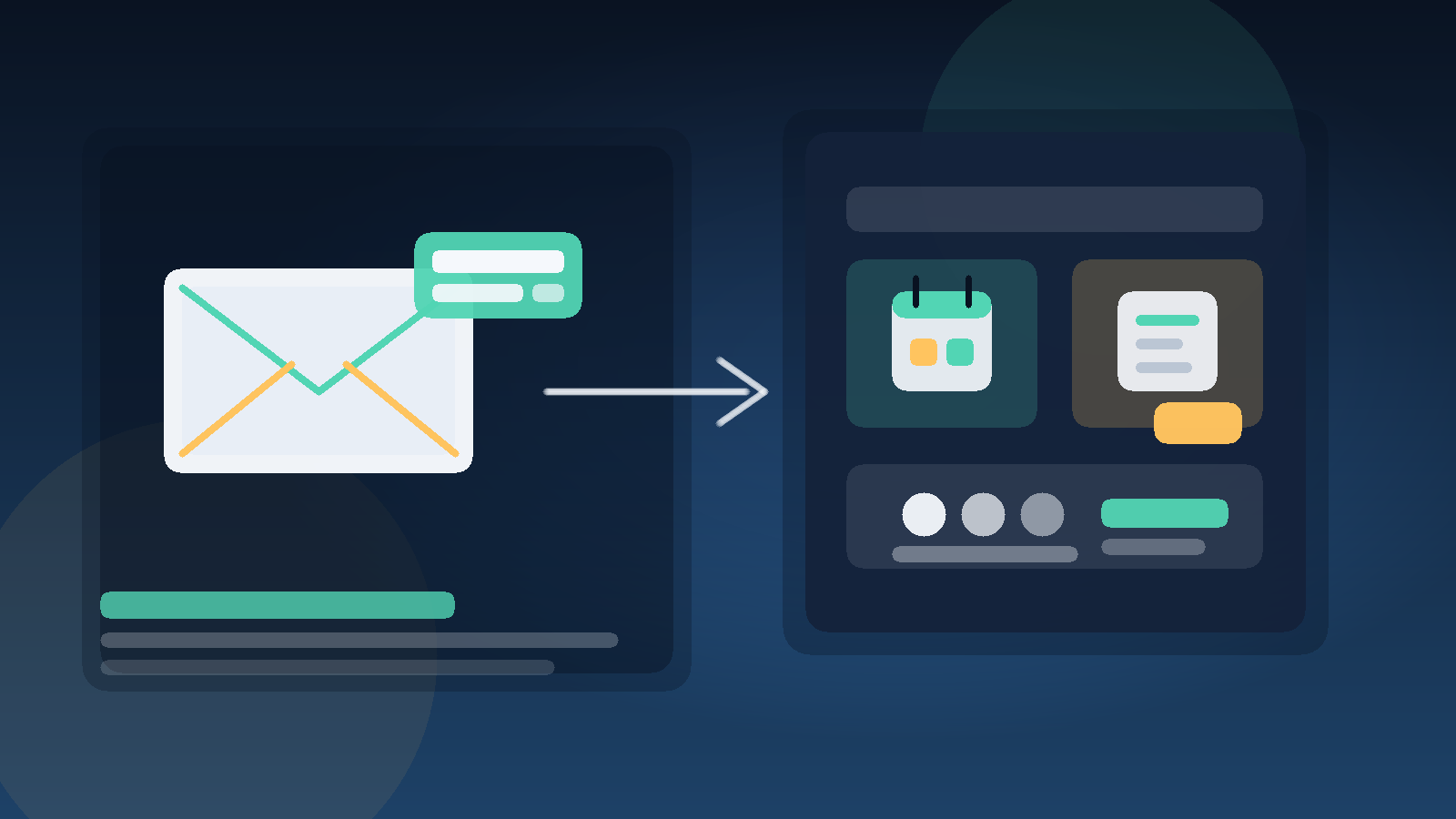
That is the practical answer. If you only want to explore BuildOps, compare it with other options, and keep one more vendor follow-up sequence out of your main inbox, a temporary inbox can be a sensible first step. If the trial starts turning into real operational setup, though, the email tied to the account needs to be stable, monitored, and controlled by the business.
BuildOps sits in the class of commercial contractor and field service software that can move from “we are just testing it” to “we may actually run part of the business on this” faster than people expect. Once you start checking dispatch boards, quoting and estimate approvals, job and work-order history, or team permissions, the account stops being a casual experiment. That is where a disposable inbox stops being helpful and starts creating avoidable friction.
If you use Anonibox or another privacy-first inbox workflow to keep software trials separate, this is exactly the kind of situation where that approach works best: during the shortlist stage, before the account becomes important.
Why people look for temp email for BuildOps
Most people are not trying to hide anything unusual. They just want to evaluate software without giving every vendor a permanent place in their everyday inbox.
Commercial contractor and field service software evaluations usually trigger the same pattern: confirmation emails, welcome messages, onboarding checklists, demo nudges, pricing follow-ups, and a steady stream of sales outreach if you do not make a decision quickly. That is normal from the vendor side, but it becomes noisy when you are comparing several tools in the same week.
A temporary inbox helps in three simple ways:
- It isolates the trial so BuildOps messages do not mix with customer, supplier, or internal team email.
- It protects your main address until you know the platform is serious enough to deserve it.
- It makes comparison easier if you are evaluating BuildOps alongside tools like ServiceTitan, Housecall Pro, Workiz, Simpro, or other field service platforms.
Used that way, the temporary inbox is not the final destination. It is a buffer between curiosity and commitment.
When a temporary inbox makes sense
1. You only want a first-pass look at the product
If your goal is to get through email verification, land inside the dashboard, and decide whether the product deserves more attention, a temporary inbox is fine. At that stage you are not depending on the account for anything mission-critical.
2. You are comparing several vendors at once
Many teams do not evaluate one platform in isolation. They test a shortlist, watch a few demos, and try to see which system fits the actual business. Separate inboxes make those trials easier to untangle. You know which onboarding flow belongs to which vendor, and you avoid loading your main work inbox with messages from tools that may never survive the shortlist.
3. You want to protect the real operations inbox
Most businesses already have one or two addresses that carry too much weight: customer communication, invoicing, supplier coordination, internal ops, or management approvals. Early software research does not need to land there if you are still deciding whether the platform is even worth serious time.
4. One person is doing quiet early-stage research
Sometimes an owner, ops manager, or service lead wants to explore a product privately before involving the rest of the team. A temporary inbox can keep that exploratory work self-contained until there is a reason to turn the trial into a shared evaluation.
Where a temp inbox starts becoming a bad idea
The real risk usually does not appear during signup. It appears when the account starts collecting work you would not want to lose.
Dispatch and day-to-day workflow
If you are evaluating real dispatch flow, staff assignments, timing changes, or job movement across the board, the account is already becoming operational. At that point, password recovery, critical alerts, and account ownership matter more than inbox neatness.
Estimates and customer-facing work
Once you start creating realistic estimates, approvals, or pricing scenarios, the trial becomes more than a tour. Even if you are still “only testing,” you are building data and decisions you may want to revisit. That is a bad foundation for a throwaway inbox.
Work orders and retained business context
As soon as the account includes customer detail, project notes, or realistic workflow history, the value of continuity goes up. You do not want a useful trial trapped behind an inbox you only meant to use for a few hours.
Team access and shared ownership
A temp inbox works best when one person is testing alone for a short period. Once other teammates need to log in, review workflows, or depend on support messages, the owner email should be stable, documented, and monitored by the business.
What to evaluate during the trial instead of focusing only on the inbox
The inbox question matters, but it is not the real buying decision. Once you are inside BuildOps, focus on whether the workflow matches the way your business actually runs.
Workflow clarity
Can someone glance at the core workflow and understand what is happening? Are jobs, estimates, assignments, statuses, and follow-up tasks easy to follow? Software that feels confusing in a trial rarely becomes simpler under live pressure.
Quote-to-work flow
If your business depends on moving from inquiry to estimate to approved work, watch that handoff carefully. A clean-looking interface means very little if the real quote flow adds friction where your team needs speed.
Mobile and field usability
Field software lives or dies on whether the people doing the work can use it without friction. If technicians or managers need the mobile side to update status, check details, or log information on site, practical usability matters far more than polished marketing emails.
Reporting and operational fit
Pay attention to whether the system supports your actual approval, dispatch, visibility, and coordination needs. A trial should help you answer whether the product reduces operational drag, not just whether it looks modern.
A safer way to use temp email for BuildOps
- Create the temporary inbox before signup. Keep the initial trial intentionally separate from your normal business email.
- Use it for verification, welcome emails, the first product tour, and a quick look at the dashboard. That is where the privacy benefit is strongest and the continuity risk is low.
- Save anything important outside the inbox. If a useful setup link, checklist, or support note appears, copy it into your own notes.
- Test with sample or non-critical data first. Do not let the trial become operational while the ownership email still points to a throwaway inbox.
- Switch to a permanent monitored address before the trial becomes serious. Do that before shared access, meaningful support conversations, or important workflow setup starts piling up.
That staged approach gives you most of the upside of temporary email without carrying its weaknesses into a later, more important phase.
Temporary inbox vs. dedicated evaluation inbox
For some businesses, a fully disposable inbox is perfect for the first hour and the wrong tool for the first week. That is where a dedicated evaluation inbox can be a better middle ground.
A temporary inbox is best when:
- you only need quick verification and a short product tour
- you are not sure the software will make the shortlist
- you mainly want to avoid immediate nurture-email clutter
A dedicated evaluation inbox is better when:
- the trial may last several days or weeks
- more than one person will review the product
- you may need reliable access to support or pricing discussions
- the platform has a realistic chance of becoming a finalist
For BuildOps, many teams reach that second stage faster than they expect because even a “trial” often turns into meaningful setup work.
Common mistakes to avoid
- Keeping the disposable inbox attached too long. The account becomes valuable before the ownership email becomes durable.
- Testing realistic workflows under throwaway ownership. That creates unnecessary recovery and continuity risk.
- Using the same temp inbox for every vendor. That defeats the organizational benefit and makes comparison harder.
- Judging the software by its follow-up sequence. The product fit matters more than how polished the nurture emails sound.
- Forgetting to move serious finalists to a real inbox. If the platform might actually be adopted, switch early rather than late.
Final takeaway
A temp email for BuildOps workflow is useful for early-stage evaluation, signup verification, and keeping exploratory vendor email out of your main inbox. It is not the right long-term home for an account that may end up supporting dispatch boards, quoting and estimate approvals, or team permissions.
Use temporary email as a filter at the start. Then, once the platform starts looking like a serious operational option, move the account to a permanent monitored inbox your business controls. That gives you cleaner evaluation upfront without building a meaningful workflow on top of a disposable foundation.