A temp email for YouCanBookMe can be useful for a one-off booking, intro call, or first-pass product test, but it becomes a bad fit once reminders, recurring appointments, or ongoing client communication actually matter.
Yes — if you only need to confirm a booking without handing over your main inbox immediately, a temporary inbox is a practical way to start.
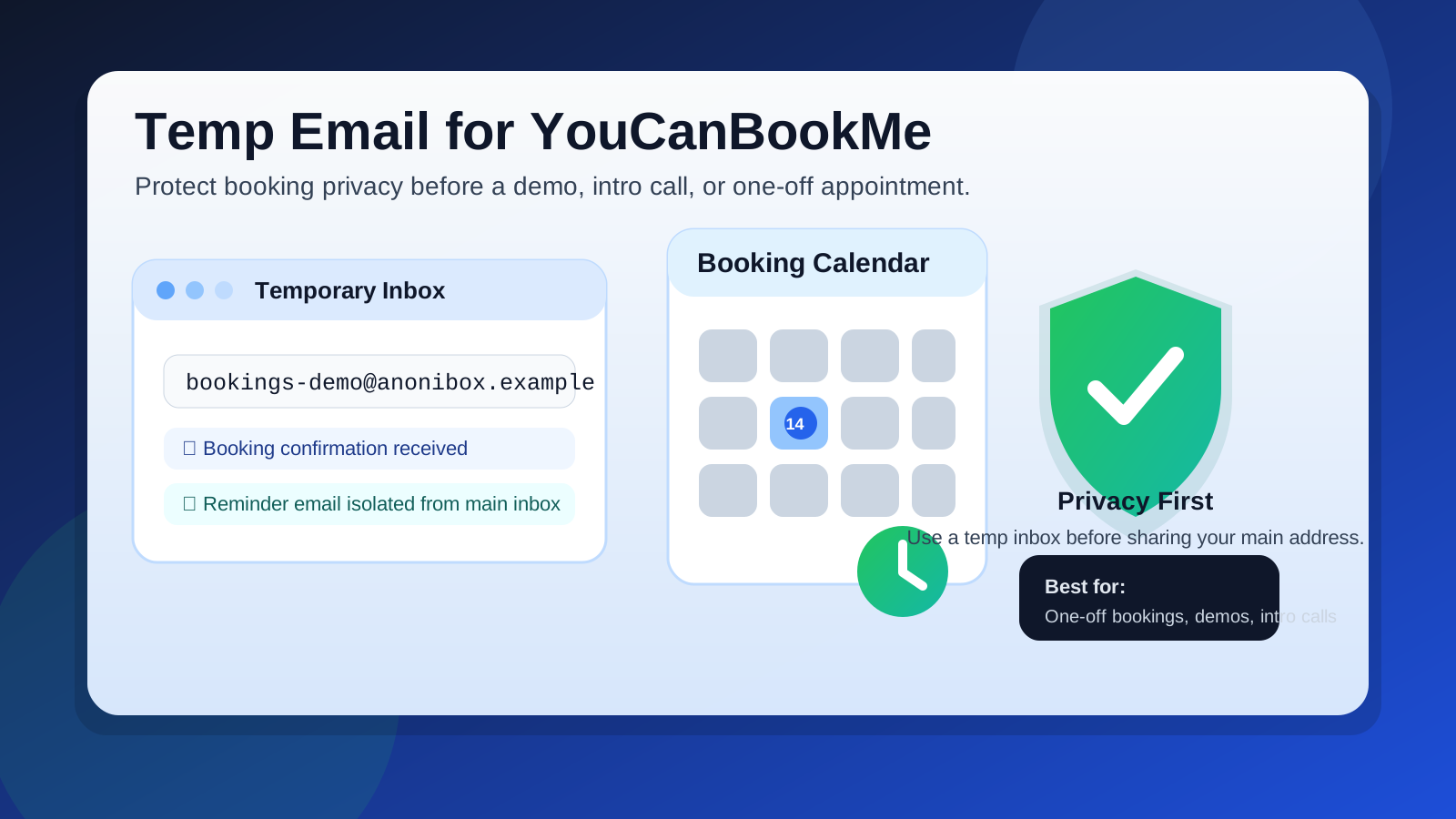
Why people look for a temp email for YouCanBookMe
Booking tools feel simple on the surface. You click a scheduling link, choose a time, type in your email, and expect the interaction to stay small. In practice, that one address often becomes the thread for everything else: the confirmation, reminders, reschedule notices, call links, follow-up messages, and sometimes broader marketing or sales outreach after the appointment is over.
That is why people search for a temp email for YouCanBookMe. Usually they are not trying to hide from someone. They just do not want every exploratory call, cold outreach reply, vendor demo, or first-time client conversation tied to the inbox they use for work and personal life every day.
A tool like Anonibox makes sense at that stage. You still get the verification and booking confirmation you need, but you do not have to feed your main inbox into every low-commitment scheduling flow before you know whether the interaction is worth continuing.
When a temporary inbox makes sense
A temp email for YouCanBookMe works best when the booking is short-lived, low-risk, and easy to replace if something changes.
1. One-off discovery calls
If you are booking a single intro call with a consultant, coach, freelancer, vendor, or founder, using a temporary inbox can be a clean way to receive the confirmation without volunteering your main email too early. This is especially useful if you are comparing several providers in the same week and do not want every one of them sending follow-ups forever.
2. Public booking links from people you barely know
Sometimes you are open to talking, but you are not ready to build a full relationship yet. Maybe a salesperson sends a booking page. Maybe a recruiter wants a short screening call. Maybe a service provider shares a link after a first exchange. A temporary inbox gives you a layer of separation until you decide the conversation is real and worth continuing.
3. First-pass product evaluation
If you want to test YouCanBookMe itself before committing to it, a disposable inbox can be useful for the signup stage. You can review how the onboarding works, what the reminders look like, and whether the product fits your workflow before moving anything important to a permanent address.
4. Inbox cleanup during a busy week
Scheduling emails multiply fast. One booking can create a confirmation, a reminder, a calendar update, and a follow-up. If your real goal is simply to stop small appointments from cluttering your everyday inbox, a temporary address is a practical way to keep that noise in its own lane.
Why YouCanBookMe can outgrow a disposable inbox quickly
The catch is that scheduling tools stop being disposable the moment continuity matters. The first booking may feel unimportant. The second or third message often is not.
Reminder emails matter more than the signup does
The risky part of using a temp email for YouCanBookMe usually is not the initial confirmation. It is what happens next. If the time changes, the organizer sends a note, or the meeting link is updated, the inbox behind the booking becomes part of the actual workflow. If you stop checking it, you can miss the message that mattered most.
Recurring appointments need stability
If the first call turns into ongoing coaching, a client engagement, a hiring process, or repeated vendor meetings, a disposable inbox stops making sense. You want an address you can search later, recover if needed, and trust to keep receiving changes.
Important conversations should not depend on an expiring mailbox
Once a booking connects to decisions, deliverables, contracts, or a real professional relationship, the email attached to it becomes part of your operating system. That is not where you want to rely on an address you created mainly to avoid clutter.
When using a temp email for YouCanBookMe is a bad idea
There are several cases where the convenience is not worth the downside.
- Job interviews: if a recruiter or hiring manager is using YouCanBookMe to schedule interviews, use an email account you monitor reliably.
- Client work: if the booking may lead to a project, proposal, or invoice, you need continuity.
- Medical, legal, or financial appointments: even if the booking begins with a simple scheduling link, these conversations can become sensitive quickly.
- Team handoffs: if more than one person may need the email thread later, a throwaway inbox is a poor place to anchor it.
- Anything with repeated rescheduling: if the meeting is likely to move around, your main concern should be reliability, not just privacy.
In short: the more valuable the meeting becomes, the less sensible a disposable inbox becomes.
The real privacy risks people are trying to avoid
Most people looking for a temp email for YouCanBookMe are trying to avoid one of three things.
Booking links turning into ongoing outreach
A single appointment request can lead to future reminders, “just checking in” messages, marketing sequences, or invitations to book again. If you accept lots of exploratory calls, that can create a long tail of inbox noise.
Exposure of a primary work address
If your main email is tied to your company, your personal brand, or your core freelance business, you may not want to hand it out to every sales rep, stranger, or low-trust contact just because they use a booking page.
Losing control of where conversations land
Sometimes privacy is less about secrecy and more about organization. A separate inbox keeps small, uncertain interactions separate from the addresses that matter most to your daily work.
A safer way to use a temp email for YouCanBookMe
If you do decide to use a temporary inbox, the safest version is simple and deliberate.
1. Use it only for the first checkpoint
Create the temporary address before you click the booking link. Let it handle the initial confirmation and the first reminder. Treat it as a buffer, not a permanent home.
2. Save the important details immediately
After the booking is confirmed, save the date, time, time zone, and meeting link somewhere you actually trust, such as your calendar or notes. Do not assume you will keep checking the temporary inbox forever.
3. Switch to a stable email if the relationship continues
If the meeting turns useful — maybe the vendor looks promising, the client seems serious, or the recruiter moves you forward — move the conversation to a permanent address before the next important step.
4. Do not use a throwaway inbox as your only record
Temporary email is best for low-commitment entry points. It is not a strong long-term archive for conversations that may matter later.
Better alternatives when you want privacy without the fragility
Sometimes a disposable inbox is a little too disposable. If you want more privacy but still need reliability, a middle-ground option is often better.
- A separate professional inbox: useful for client calls, job-search scheduling, or vendor demos that may continue for weeks.
- An email alias: good when you want filtering and privacy without losing access to your main mailbox.
- A dedicated booking-only address: practical if you frequently schedule sales calls, consultations, or short discovery meetings.
These options reduce clutter without creating the same risk of missed reschedules or lost follow-up messages.
Quick checklist: should you use a temp email here?
Before entering an email into a YouCanBookMe page, ask yourself:
- Is this a one-off meeting or the start of an ongoing relationship?
- Would it matter if I missed a reminder or schedule change?
- Am I protecting privacy, reducing spam, or just avoiding clutter?
- Is the organizer someone I trust yet?
- Would a separate permanent inbox be smarter than a fully disposable one?
If it is a low-stakes conversation and you mainly want to protect your main inbox, a temp address can be a smart fit. If the booking could become important, you probably want something more durable.
Final answer
A temp email for YouCanBookMe is useful when you want to book a low-commitment call, test a scheduling flow, or keep your primary inbox out of early-stage outreach. It gives you a clean way to receive the confirmation without immediately handing over the address you rely on every day.
But it is only a good idea while the interaction stays lightweight. The moment reminders, repeat meetings, client work, recruiting, or sensitive follow-up enters the picture, you should switch to an inbox you control long term. Privacy matters, but reliability matters too. The best workflow is usually simple: use a temporary inbox for first contact, then graduate to a stable address when the conversation becomes real.