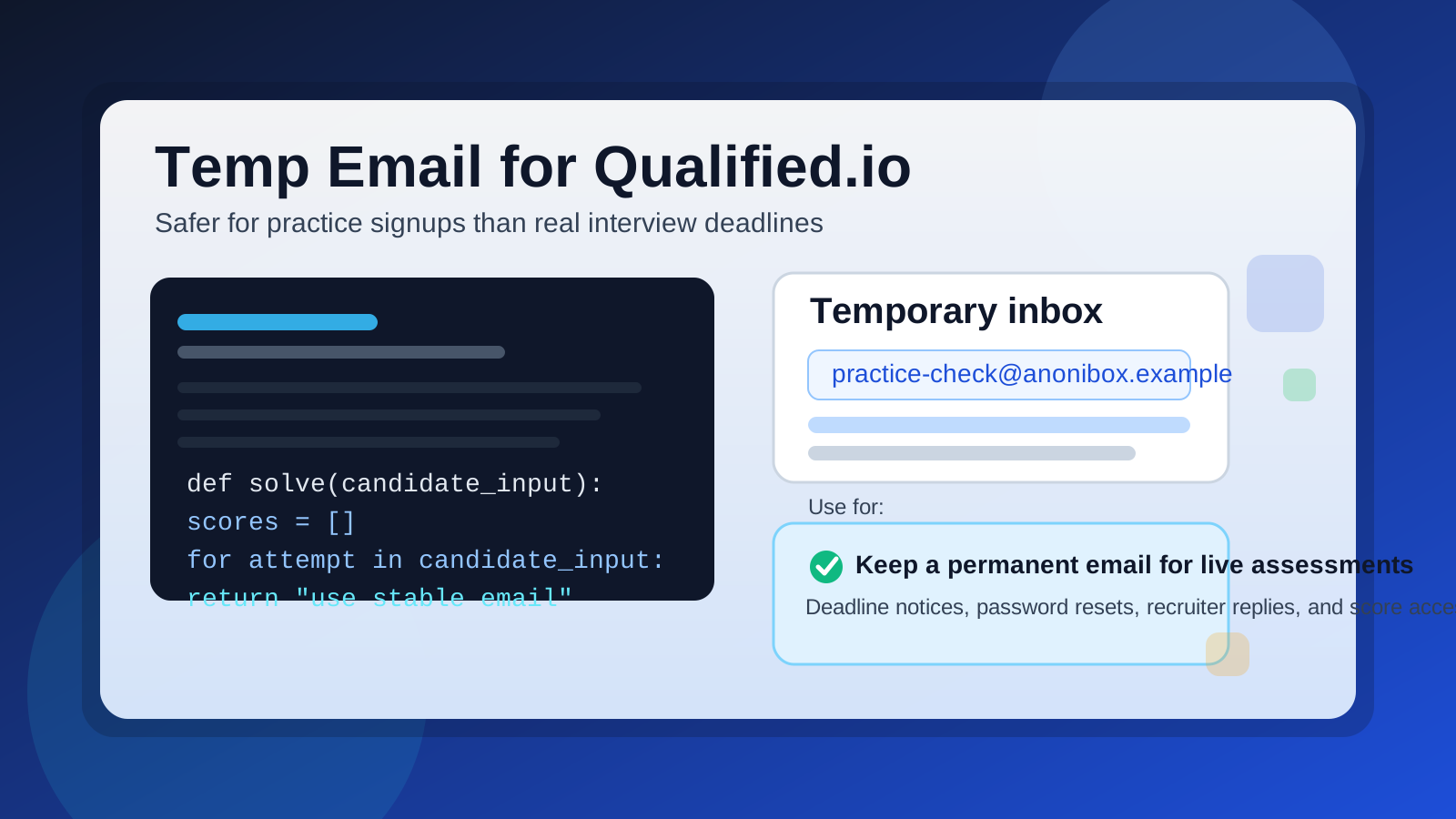
Using a temp email for Qualified.io is fine when you only want to explore practice access or test the signup flow, but it is a bad choice for real employer-issued assessments, interview deadlines, or any account you may need again later.
If a recruiter, hiring manager, or assessment platform might need to reach you after signup, use an email you control long term instead of a disposable inbox. Temporary email is best for low-stakes evaluation, not high-stakes interview workflows.
Why people look for a temp email for Qualified.io
Technical assessment platforms often ask for an email before you can access practice material, confirm an invite, or create an account. That is normal. The problem is that once your address enters enough hiring, testing, and recruiting systems, your inbox can fill up with reminders, re-engagement emails, sales outreach, and follow-up messages you did not really want.
That is why people search for a temp email for Qualified.io in the first place. They are usually trying to do one of three things:
- look around before committing their main email address
- separate practice activity from personal or work email
- avoid long-term inbox clutter from one-off signups
That logic is reasonable. The key is knowing when a temporary inbox is harmless and when it creates new problems.
When a temporary inbox can make sense
A disposable address is usually reasonable if you are in an early, low-risk stage and do not expect the account to matter later. For example, it can make sense when you are:
- checking whether the platform is relevant to your interview prep
- testing a practice-only signup flow
- comparing multiple coding assessment tools and want to keep your main inbox cleaner
- trying a short-term trial or evaluation before deciding whether it is worth deeper use
In that kind of setup, a temporary inbox works like a buffer. You still get the confirmation email you need, but your long-term inbox does not become the storage room for every practice platform you sampled for ten minutes.
If you prefer that approach, a tool like Anonibox can help keep those early test signups isolated from your everyday inbox. That is useful when you are browsing several platforms in one afternoon and do not want each one to start its own follow-up sequence.
When a temp email becomes a bad idea
The answer changes fast once the account stops being casual. Do not use a temporary inbox for Qualified.io if the account is tied to a real interview process, a live assessment deadline, or anything an employer may revisit later.
That includes situations like these:
- an employer sends you a time-sensitive assessment invite
- you may need password resets or login links after the first session
- the platform may send reminders about deadlines or retakes
- a recruiter could follow up about your results
- you want a stable record of your assessment history
In those cases, disposable email solves the wrong problem. Yes, it reduces clutter. But it also increases the chance that you miss an important message, lose access to the account, or fail to respond in time during a real hiring process.
The biggest risks of using disposable email for live assessments
1. Missed interview deadlines
Assessment platforms often send reminders, access links, or deadline notices by email. If your temporary inbox expires, gets buried, or stops feeling important after the first signup, you can miss something that directly affects your candidacy.
2. Account recovery headaches
If you forget your password or need to verify the account again later, a burner inbox may already be gone. That turns a simple reset into a preventable problem.
3. Broken recruiter communication
Sometimes the most important message is not the original invite. It is the follow-up: a reschedule, an extension, a clarification, or a next-step note from the employer. Disposable email makes that chain more fragile.
4. Poor recordkeeping
When you are interviewing seriously, it helps to keep one reliable trail of invites, confirmations, and results. Scattering those messages across throwaway inboxes makes your process harder to manage.
5. False sense of privacy
Temporary email protects your main inbox from clutter, but it does not magically remove every privacy risk. If you still connect personal details, résumés, code samples, or employer invites to the account, you should treat it like a real workflow, not a toy account.
A safer split: practice with one address, interview with another
The best middle ground is simple:
- Use a temporary inbox for exploration and low-stakes practice.
- Use a stable personal job-search email for real interview activity.
That gives you the privacy benefit where it actually helps, without gambling on access when timing matters. Many candidates already do something similar with phone numbers, calendars, and browser profiles during a job search. Email should follow the same logic.
If you are preparing broadly, keep one dedicated long-term job-search email for interviews, recruiter messages, and application systems you may revisit. Then use temporary email only for one-off signups that are clearly exploratory.
How to decide in under a minute
Before you sign up, ask yourself these questions:
- Is this just practice or a real employer assessment?
- Will I need access again next week?
- Could a recruiter send follow-up instructions here?
- Would missing one email hurt my job search?
If the answer to the last two questions is yes, skip the burner inbox and use a permanent address you monitor closely.
Practical workflow for using a temp email for Qualified.io safely
Step 1: Decide whether this is exploratory or real
If you are only checking the platform, a temporary inbox is fine. If the account is tied to an interview, stop here and use your real job-search email instead.
Step 2: Save the first important message immediately
Even for a practice-only account, save the verification link, welcome email, or any access instructions right away. Do not assume the inbox will stay convenient forever.
Step 3: Avoid mixing practice and live invites
Do not let a practice account quietly become your real assessment account. That transition is where people get burned. If an employer later wants to use the same platform, create or switch to a stable address on purpose.
Step 4: Keep a simple tracker
A short note with the platform name, signup date, and which email you used can save you confusion later. It sounds small, but once you are balancing applications, assessments, and interviews, that organization matters.
Step 5: Retire disposable accounts after the experiment
If the platform is not relevant, move on. The whole point of temporary email is reducing long-tail inbox noise from tools you never plan to use again.
What to do if an employer already sent you a Qualified.io invite
Use your permanent job-search email. That is the safest answer. A real assessment can affect interview momentum, and missing one reminder or login message is not worth the small privacy gain of hiding your main address.
If you are worried about spam, the better solution is not a burner inbox. It is a dedicated long-term email account that exists specifically for job search activity. That keeps your personal inbox cleaner without risking lost access.
Common mistakes to avoid
- using a disposable inbox for a real timed assessment
- forgetting which email was tied to which interview platform
- assuming you will never need a password reset
- mixing recruiter-facing and practice-only accounts
- treating all signup situations as equally low risk
The biggest mistake is acting as if every platform signup is the same. They are not. A casual practice session and a recruiter-linked assessment may look similar on the surface, but the consequences are completely different.
Final answer: should you use a temp email for Qualified.io?
Yes, but only for early exploration, practice signups, or low-stakes testing. If the account could affect a real interview, a deadline, a recruiter follow-up, or future login access, a temporary inbox is the wrong tool.
The simplest rule is this: use disposable email to reduce clutter during research, and use a stable email for anything tied to real hiring outcomes. That keeps your inbox cleaner without sabotaging the part that actually matters.