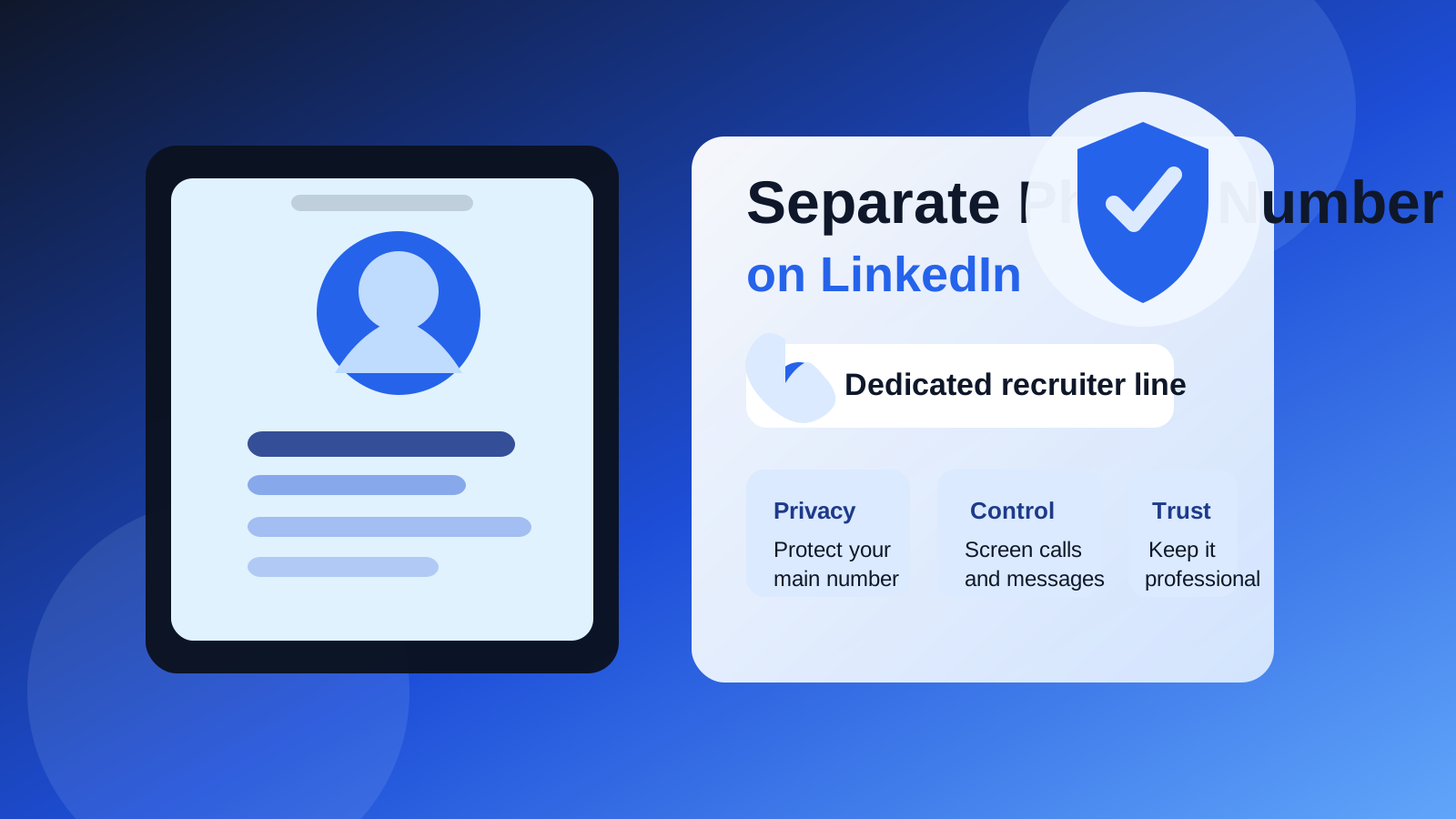
Yes — using a separate phone number on LinkedIn is often a smart move if you want to stay reachable for recruiters without exposing your main personal line too widely.
The best setup is a stable number you control long term, not a disposable one that could vanish while employers are still trying to contact you.
LinkedIn sits in an awkward middle ground between public profile and private contact channel. It is more exposed than a one-off job application, but more professional and persistent than a casual social account. That is exactly why phone-number decisions matter here. If you add a number to your LinkedIn workflow, you may be giving recruiters a fast way to reach you — but you may also be widening access to a contact detail that follows you well beyond one hiring conversation.
A separate phone number can solve that problem neatly. It creates distance between your day-to-day personal life and your job-search identity, while still letting serious employers reach you quickly. For many people, that is a better balance than using a main personal number everywhere or avoiding phone contact entirely.
Short answer: usually yes, if the number is stable and monitored
If you are networking, open to recruiters, or actively job hunting, a separate phone number on LinkedIn is often a practical privacy upgrade. It can help you keep recruiter calls, follow-up texts, and spam risk away from your main line without making you harder to reach.
The important caveat is stability. LinkedIn is not the place for a throwaway number that may stop working next week. If an employer finds you through your profile, messages you today, and then calls you two weeks later to schedule an interview, that number still needs to belong to you and still needs to be checked.
Why people use a separate number on LinkedIn
LinkedIn creates a different contact pattern than a résumé or single application form. Your profile can stay live for years. Former coworkers, recruiters, staffing firms, event contacts, and salespeople may all find the same profile over time. That creates a few good reasons to separate your phone number.
1. Your profile can outlast one job search
A résumé might get sent to ten employers this month. A LinkedIn profile can keep attracting attention long after that search ends. If your number is part of that ecosystem, you may still get outreach months later from recruiters who found an old profile update or stale availability signal.
2. Not all outreach is equally useful
Some messages are real and valuable. Others are generic staffing blasts, vague contract pitches, or low-quality “urgent opportunity” texts. A separate number helps you filter that traffic without mixing it into family calls, banking alerts, school contacts, and everyday life.
3. It gives you cleaner boundaries
Many job seekers want to be responsive without feeling permanently on call. A dedicated line creates a mental and practical boundary: this number is for recruiters, interviews, career fairs, and professional networking — not everything else.
4. It works well with a separate email strategy
If you already use a dedicated inbox for job searching, adding a separate number makes the system more complete. Tools like Anonibox can help keep your early-stage email exposure lower, while a separate phone number handles the call-and-text side of the same privacy problem.
When a separate phone number makes the most sense
This setup is especially useful if any of the following sound familiar:
- You are actively applying and expect recruiter calls soon.
- You want to keep LinkedIn networking separate from your personal life.
- You work in a field where staffing agencies contact people aggressively.
- You have had spam or scam texts after past job searches.
- You want a more professional voicemail and call-screening flow for career conversations.
- You are open to opportunities, but not enough to hand your main number to every search result and connection request.
In those situations, a separate number is usually stronger than simply withholding all phone contact. It keeps you available without leaving your primary number everywhere.
When your main personal number may still be fine
Not everyone needs a separate line. If your LinkedIn profile is tightly locked down, you rarely share your number, and you are comfortable receiving career outreach on your primary phone, your normal number may be good enough.
That is especially true if:
- You are not publicly displaying the number on your profile.
- You only share it directly with vetted recruiters after a conversation starts.
- You are not getting much inbound outreach.
- You are comfortable screening unknown calls on your current phone.
In other words, a separate number is helpful, not mandatory. It becomes more attractive as your exposure, privacy concerns, or recruiter volume increase.
What kind of separate number works best?
The best separate phone number for LinkedIn is one you control consistently and can keep active through a full hiring cycle. It should sound professional, support voicemail, and be easy for you to monitor.
Good options usually share these traits:
- Long-term control: you can keep it active for as long as your profile is public and employers may contact you.
- Reliable voicemail: recruiters need a clear fallback if you miss the call.
- Text support: many scheduling conversations now happen by text.
- Good call quality: weak or unstable service undermines the whole point.
What usually works poorly is a number that feels temporary, expires easily, or is difficult to monitor. LinkedIn is a long-tail platform, so continuity matters more than novelty.
Should you put the number directly on your profile?
Usually, the safer move is to keep your phone number available for real recruiting conversations without making it broadly visible unless you have a strong reason to do so. LinkedIn gives you several ways to control visibility, and the right choice depends on how open you want your profile to be.
A good rule of thumb is simple:
- If you are networking selectively, share the number later in the conversation.
- If you are open to inbound recruiter traffic, use the separate number rather than your primary one.
- If you are unsure, start with tighter visibility and expand only if you need more reach.
This is where a separate number really helps. It lowers the cost of visibility. You do not have to choose between “fully public main number” and “no phone access at all.”
How it compares with other LinkedIn contact strategies
Separate number vs. personal number
Your personal number is convenient because you already use it every day. The downside is that it absorbs every recruiter follow-up, every mistargeted pitch, and every future spam wave tied to old job-search activity. A separate number keeps those consequences more contained.
Separate number vs. Google Voice
Google Voice can be a perfectly reasonable version of a separate number if it is supported where you live and you can monitor it reliably. The main question is not the brand name. It is whether the number feels stable, professional, and easy for you to manage over time.
Separate number vs. burner number
A burner-style setup is usually too fragile for LinkedIn. A recruiter may discover your profile today and call a month from now. If the line no longer works, you lose credibility and possibly a real opportunity. LinkedIn generally rewards continuity more than short-term anonymity.
Best practices if you use a separate phone number on LinkedIn
Keep the voicemail clean and professional
A short greeting with your name is enough. If a recruiter calls while you are busy, the voicemail should make you sound organized and reachable.
Check the number consistently
A separate number only works if you actually monitor it. Missed calls, unread texts, and full voicemail boxes quickly turn a privacy tool into a credibility problem.
Use it as part of a wider contact system
If you are serious about reducing spam and keeping cleaner boundaries, pair the number with a dedicated job-search inbox. Email and phone usually travel together in recruiting workflows.
Be careful with unknown texts
Job scammers love text outreach because it feels urgent and personal. Even if someone references LinkedIn, do not assume the contact is legitimate. Verify the recruiter, company, and role before sharing sensitive information or moving to another app.
Review your LinkedIn visibility settings regularly
Your profile settings can change over time, and so can your goals. A visibility level that made sense during an active search may feel too open later. Revisit it instead of forgetting it.
Red flags that a separate number will not fix by itself
A separate number improves privacy, but it does not make suspicious outreach safe. Stay cautious if:
- The recruiter refuses to email from a real company domain.
- The message is vague and pushes you to move to WhatsApp or Telegram immediately.
- You are asked for verification codes, banking information, or identity documents too early.
- The role sounds unrealistically urgent or high-paying with little screening.
- The person contacting you cannot clearly explain how they found you or what the role is.
Privacy tools help with exposure and boundaries, but judgment still matters.
A simple decision checklist
If you are not sure whether to set up a separate LinkedIn number, ask yourself:
- Do I want recruiter calls without exposing my main personal line?
- Am I getting enough inbound outreach that separation would help?
- Can I keep a dedicated number active and monitored long term?
- Would tighter contact boundaries reduce stress during my search?
- Do I want a more professional voicemail and call-screening setup for career conversations?
If most of those answers are yes, a separate number is probably worth it.
Final answer
Yes — using a separate phone number on LinkedIn is often a smart, practical choice. It gives recruiters a real way to reach you while protecting your main number from long-tail exposure, spam, and weaker outreach that can come with a public professional profile.
Just make sure the number is stable, monitored, and professional. LinkedIn is a long-game platform, so the goal is not to disappear. The goal is to stay reachable on your terms.