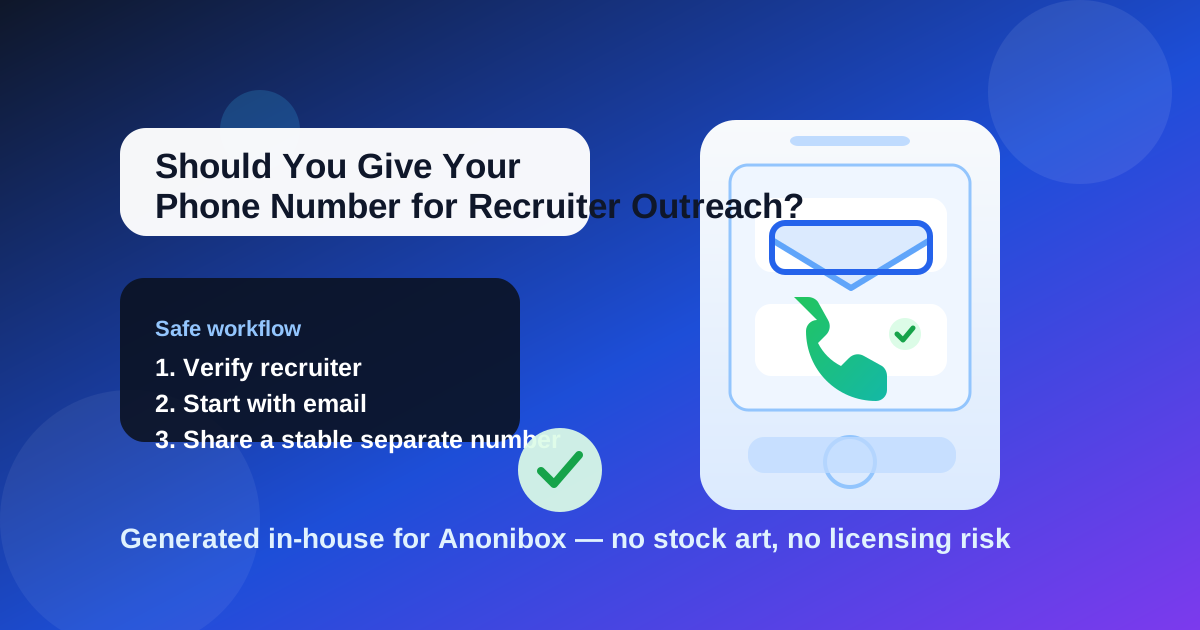
Should you give your phone number for recruiter outreach? Usually yes, but only after you know the recruiter is real and you have a stable number you are comfortable monitoring.
For first contact, email is often enough; once the conversation turns into screening, scheduling, or serious follow-up, a separate long-term number usually works better than your main line or a disposable burner.
Why this question comes up so often
Recruiter outreach lives in the gray area between casual networking and a formal hiring process. Sometimes it starts with a cold LinkedIn message. Sometimes it begins with an email after your profile shows up in a recruiter database. Sometimes a recruiter asks for a quick call before you even decide whether the role is worth discussing.
That is exactly why phone-number questions matter. A real recruiter may want to move quickly. At the same time, low-quality recruiters, spammy staffing shops, and outright scammers also like to push conversations toward text messages and phone calls because those channels feel urgent and personal.
So the answer is not a blanket yes or no. The better answer is: share your number when the outreach is legitimate, the opportunity is specific, and phone contact actually helps the process move forward. Otherwise, staying email-first is a perfectly reasonable privacy choice.
When sharing your phone number makes sense
In many recruiter conversations, giving a phone number is normal and useful. If the recruiter is tied to a real company, can explain the role clearly, and is trying to schedule a screening call, phone access can save time for both sides.
- The recruiter is identifiable: you can verify their company, profile, and role.
- The job is concrete: there is a real title, team, location or remote policy, and a believable hiring process.
- A call would actually help: screening, scheduling, compensation questions, or timeline clarification are easier by phone than through ten emails.
- You are genuinely interested: if you already know the opportunity is worth exploring, making yourself reachable can reduce friction.
In those cases, sharing a number does not look risky or unusual. It simply makes you easier to reach. Recruiters often work fast, and if they cannot contact you easily, they may move to the next candidate.
When it is smarter to stay email-first
You do not need to hand out your number the moment a recruiter appears in your inbox. Email is often the better first step when the outreach is vague, rushed, or hard to verify.
- The message is generic: no real job title, no salary range, no hiring team, and no sign the recruiter has read your background.
- The company is unclear: the recruiter will not say who the client is or uses a strange email domain.
- The request feels pushy: they want your number immediately but avoid basic questions about the role.
- You are still screening the opportunity: if you are not even sure you want a call, email is enough for now.
- The channel already feels noisy: mass recruiter outreach can quickly turn into repeat calls and texts you did not ask for.
There is nothing unprofessional about replying with something simple like, “Email is best for the first step. If the role looks like a fit, I’m happy to share a number for a call.” That protects your privacy without killing legitimate momentum.
Which phone number should you use?
For most people, the real decision is not whether to share a number at all. It is which number gives you the best balance of reachability, privacy, and control.
Your main personal number
Your everyday number is convenient, and if you only talk to a few recruiters a year, it may be completely fine. The downside is that once your number spreads across recruiter notes, staffing databases, and applicant tracking systems, it can stay in circulation for a long time. That can mean follow-up texts, unexpected calls, and old outreach resurfacing months after you stopped searching.
A separate long-term job-search number
For active job seekers, this is often the best option. A dedicated number lets you answer recruiter calls without mixing every hiring conversation into your personal life. It also makes it easier to mute the channel later if it starts attracting noise. The key is that the number should be stable enough to stay active through screening, interviews, and negotiations if a role becomes serious.
A virtual number
A virtual number can work well if it handles calls, voicemail, and texts reliably. It gives you separation without the fragility of a short-lived burner line. If you choose this route, treat it like a professional contact point: keep the voicemail clean, check messages promptly, and make sure you can still access it throughout the hiring process.
A burner number
A true burner number is usually the wrong fit for recruiter outreach. Recruiter conversations can stretch over days or weeks, and a number that expires, routes poorly, or feels disposable can backfire at the worst time. Burner lines make more sense for low-trust one-off situations than for real recruiting follow-up.
Your work number
Using your current employer’s phone number is usually a bad idea. It ties your job search to company-owned infrastructure, creates awkward boundary issues, and may leave you unreachable if you lose access. For most people, work numbers belong nowhere near recruiter outreach.
How recruiter outreach is different from job applications
With a job application, you usually decide when and where to submit your details. Recruiter outreach is less controlled. Someone else initiates the contact, and sometimes they expect a quick response before you have fully evaluated the opportunity.
That difference matters. On a company careers page, giving a phone number may feel like part of a standard form. In recruiter outreach, the more important question is whether the person asking has earned access to a faster, more personal channel.
If the recruiter is credible and the role is real, sharing a number can help. If the outreach feels like fishing, list building, or pressure selling, keeping the conversation on email protects you from unnecessary exposure.
Red flags that mean you should be more cautious
- The recruiter refuses to share the company name or keeps the job description extremely vague.
- The first message sounds copied and unrelated to your experience.
- You are pushed toward text or WhatsApp immediately without a normal explanation.
- The recruiter wants sensitive information before you even understand the role.
- The communication style feels more like lead collection than professional hiring.
- The recruiter becomes impatient when you ask basic verification questions.
When those signs show up, the problem is bigger than the phone number itself. It usually means the outreach is low quality, premature, or potentially unsafe.
Best practices if you do share your number
If you decide to give a recruiter your number, a few habits make the process cleaner and safer.
Use a professional voicemail greeting
Recruiters often call unexpectedly. A simple greeting with your name is enough. It makes you sound organized even when you miss the first call.
Keep recruiter traffic separate if you can
A separate job-search number is useful for the same reason a separate email inbox is useful: it keeps the search organized. You can see which contacts matter, which ones generate spam, and when it makes sense to retire the channel later.
Do not handle sensitive identity steps by text unless you trust the process
A recruiter may reasonably use text for scheduling. That does not mean you should send personal documents, verification codes, or financial details over text. Fast communication and oversharing are not the same thing.
Match the phone strategy to your email strategy
Many privacy-conscious job seekers already use a separate inbox for job boards, résumé downloads, or early-stage outreach. A service like Anonibox can help keep low-commitment sign-ups away from your main inbox. Once a recruiter conversation becomes real, a stable email address plus a stable phone number is the better combination. Temporary inboxes are great for filtering noise; long-term contact channels are better for actual hiring conversations.
Be willing to upgrade the channel when trust increases
You do not need to decide everything at the first message. It is fine to begin on email, verify the opportunity, then share your number when a call becomes useful. That staged approach gives you privacy early without making you hard to reach later.
Simple scripts you can actually use
If you want to protect your privacy without sounding awkward, keep it plain:
- “Email is best for the first step. If the role looks like a fit, I’m happy to schedule a call.”
- “Please send the job title, company, and basic details by email, and I can share the best number for follow-up.”
- “I use a separate number for recruiting conversations. Once we confirm fit, I can send it over.”
Those responses are normal, professional, and easy for real recruiters to work with.
A quick decision checklist
- Can I verify the recruiter and the company?
- Do I understand the role well enough to want a call?
- Would phone contact genuinely make this easier?
- Do I have a stable number that protects my privacy better than my main line?
- Does anything about the outreach feel rushed, vague, or spammy?
If the answers are mostly positive, sharing a number is probably fine. If several answers raise concerns, keep the conversation on email until the situation becomes clearer.
Final answer
So, should you give your phone number for recruiter outreach? Usually yes, but not at the first sign of interest and not without checking who is asking. A verified recruiter with a real opportunity may need a faster channel, and giving a stable number can help good opportunities move forward.
The smartest setup for most job seekers is a staged one: use email to screen the outreach, then share a separate long-term number when the conversation becomes real. That keeps you reachable for legitimate recruiters while giving you better control over privacy, spam, and the long tail of job-search follow-up.