Usually no. Most cover letters should list one reliable phone number, not two, because extra contact info can create clutter and make employers wonder which number they should use first.
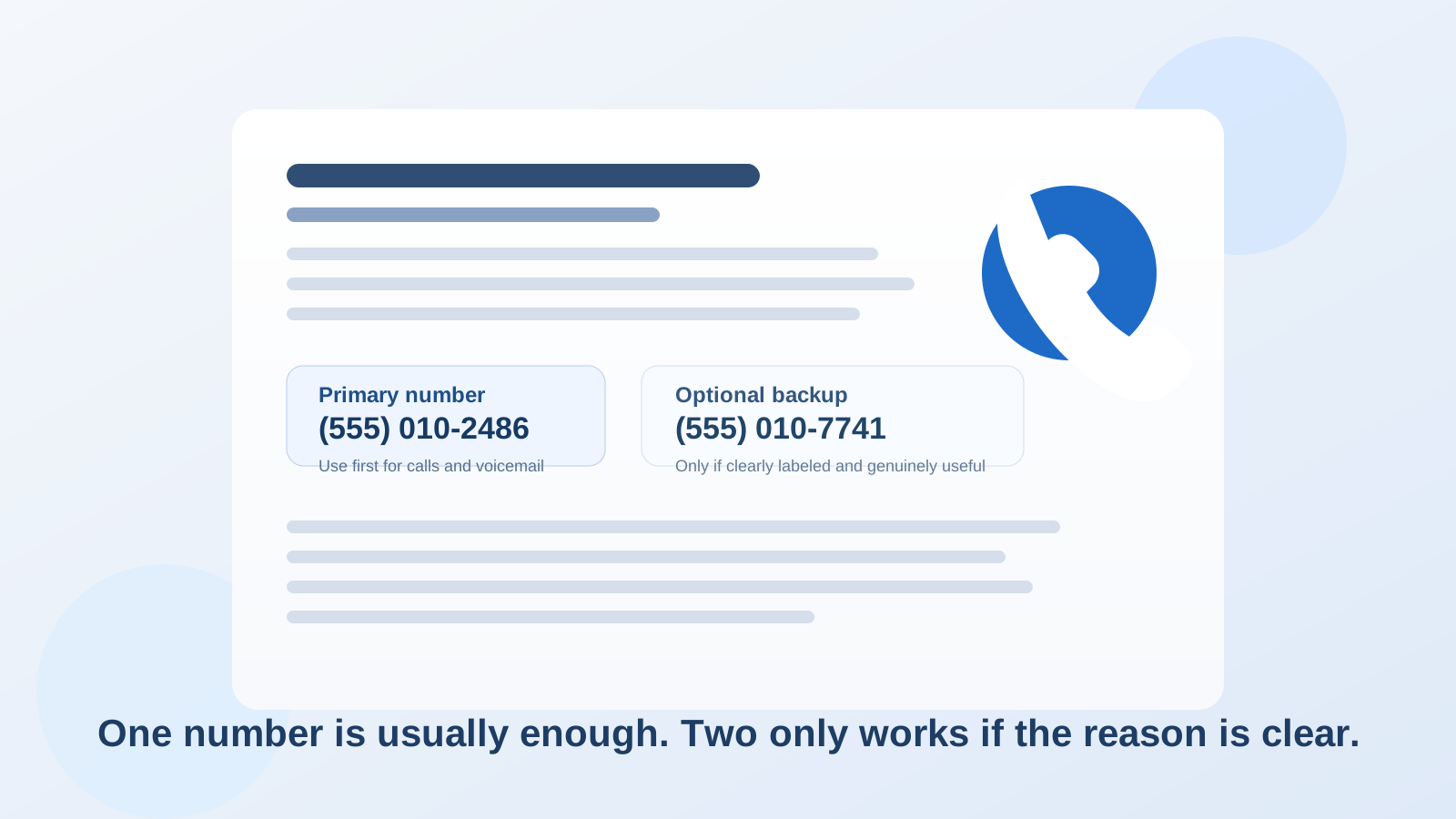
Use two numbers only when there is a clear practical reason—such as a primary line plus a genuinely useful backup, travel number, or accessibility-related contact method—and label them so the reader does not have to guess.
Why this question comes up
A cover letter is supposed to make your application easier to read, not harder. That is why the “two phone numbers” question matters more than it first appears. Job seekers sometimes consider adding a second number because they have a work phone, a personal phone, a virtual number, a travel number, or a line they use only for calls and texts. In some cases that is reasonable. In a lot of cases, though, it just adds friction.
Hiring teams usually want one simple next step: if they like you, how do they reach you quickly? If your cover letter presents multiple numbers with no explanation, you are making the employer stop and decode your contact preferences before they even get to your actual message.
The short answer: one number is usually better
For most applications, one phone number is the cleanest choice. It is simpler for recruiters, easier for applicant tracking systems, and less likely to create mixed signals. If that number has a working voicemail and you check it consistently, you have already solved the main problem the employer cares about.
Adding a second number does not automatically make you look more available or more professional. In fact, it can sometimes suggest that your contact setup is messy, temporary, or harder to manage than it needs to be.
When two phone numbers can make sense
There are a few legitimate cases where including two numbers on a cover letter is reasonable.
- You have one primary number and one true backup: for example, a reliable mobile line plus a second number you use while traveling for a limited time.
- You want to separate calls from texts: this is less common, but it can work if clearly labeled and genuinely helpful.
- You use an accessibility-related relay or support-friendly contact flow: in that case, clarity matters more than strict minimalism.
- You are temporarily between locations or countries: a local number plus an always-on primary number may help for short periods.
Even in these situations, the second number should be there for a real operational reason, not just because you happen to have one.
When two numbers usually hurt more than help
In most normal job-search situations, two phone numbers do not improve anything. They usually create one of three problems.
1. They create unnecessary choice
If the employer sees two numbers, they now have to decide which one to use. That tiny bit of hesitation is not dramatic, but it is still friction. Good application materials remove friction instead of adding it.
2. They can look cluttered
A cover letter is not a contact database. It should feel polished, concise, and intentional. Two numbers, two emails, or too many labels at the top can make the page feel crowded before the hiring manager even reaches your first paragraph.
3. They can raise avoidable questions
If one number looks personal and the other looks work-related, or one is clearly virtual and the other is not, some employers may start wondering why. That does not mean they assume something bad. It just means you risk shifting attention away from your qualifications and toward an explanation you never needed to trigger.
How recruiters usually read contact details
Most recruiters are moving fast. They do not want to analyze your contact strategy. They want to know whether they can reach you and whether your materials are easy to scan. One well-placed number does that job perfectly well.
That is why the best test is practical: if a busy recruiter looks at your cover letter for ten seconds, will two numbers make your application clearer or more confusing? In most cases, the answer is more confusing.
If you really need two numbers, label them clearly
If you have a strong reason to include two numbers, the fix is simple: label them in plain English. Do not just stack two numbers and hope the employer figures it out.
For example:
- Primary: (555) 010-2486
- Backup while traveling through August: (555) 010-7741
Or:
- Calls: (555) 010-2486
- Texts only: (555) 010-7741
If the reason cannot be explained in a short label, that is often a sign the second number does not belong there.
A better alternative: keep one visible number and manage the rest behind the scenes
For many job seekers, the smartest move is to put only one number on the cover letter and manage any backup system privately. That could mean forwarding calls, screening unknown numbers, or using a dedicated job-search line as your single public number.
This is usually cleaner than showing two numbers at once. It gives you the privacy and control you want without making the employer work around your setup.
The same logic applies to email. Many people already use a separate inbox for job hunting so recruiter traffic does not spill into their personal email forever. A service like Anonibox can help during early signups, account tests, or lower-trust situations when you want better inbox separation. But once you are dealing with real interviews and serious employer communication, clarity and long-term reachability matter more than clever workarounds. Your phone number strategy should follow the same principle.
Privacy questions matter here too
Sometimes the real reason a person wants two numbers is not convenience. It is privacy. That is valid. Job searches can generate spam calls, recruiter follow-ups, scam texts, and unwanted outreach long after you stop applying.
If privacy is your concern, adding two numbers to a cover letter is usually the wrong solution. A better solution is to choose one number that is specifically meant for your job search. That way you stay reachable without exposing your main personal line everywhere.
A dedicated job-search number can help you:
- keep recruiter calls separate from your daily life,
- set a professional voicemail just for hiring-related outreach,
- retire or mute the number later if it starts attracting spam, and
- avoid giving every application direct access to your primary number.
Should the cover letter and resume match?
Usually, yes. If your resume lists one number and your cover letter lists two, that inconsistency may create avoidable confusion. Employers should not have to wonder whether one of the documents is outdated.
If you decide a second number is truly necessary, keep the labeling consistent across your application materials. If you decide one number is enough, make that same number the main contact line on both documents.
Examples of when a second number is probably unnecessary
- You have a personal number and a work number, but your work number is not ideal for job searching.
- You have an old family-plan number and a newer mobile number, but only one is reliably monitored.
- You want to seem extra reachable, even though one number already works fine.
- You are worried about spam, but both numbers still point back to you and create the same exposure problem.
In all of those cases, choosing one strong public number is better than displaying both.
Examples of when a second number may be justified
- You are relocating internationally and want to include both your long-term number and a short-term local line.
- You rely on a clearly labeled relay or accessibility-focused contact option.
- You have a temporary logistics reason that would genuinely help scheduling, and the label explains it immediately.
Notice the pattern: the second number earns its place only when it removes friction instead of creating it.
A quick formatting rule
If you are asking whether two numbers belong on the page, use this rule: if the second number needs more than a few words of explanation, do not put it on the cover letter. Keep the public contact line simple, and handle the rest privately.
Final answer
Usually, no—you should not put two phone numbers on a cover letter. One reliable, professional, well-monitored number is normally the best choice because it keeps your application clear and easy to act on.
If you do include two numbers, make sure there is a real reason, label them clearly, and keep the setup consistent with the rest of your application. Otherwise, a single dedicated job-search number will usually give you better clarity, better privacy, and a better first impression.