Yes — using a separate email for art school applications is usually a smart move because it keeps portfolio portal updates, interview invites, scholarship notices, and deadline reminders in one reliable inbox instead of scattering them through your personal email.
It is especially helpful if you are applying to multiple programs, uploading creative work through third-party platforms, or want to protect your main address from long admissions threads and extra marketing follow-up.
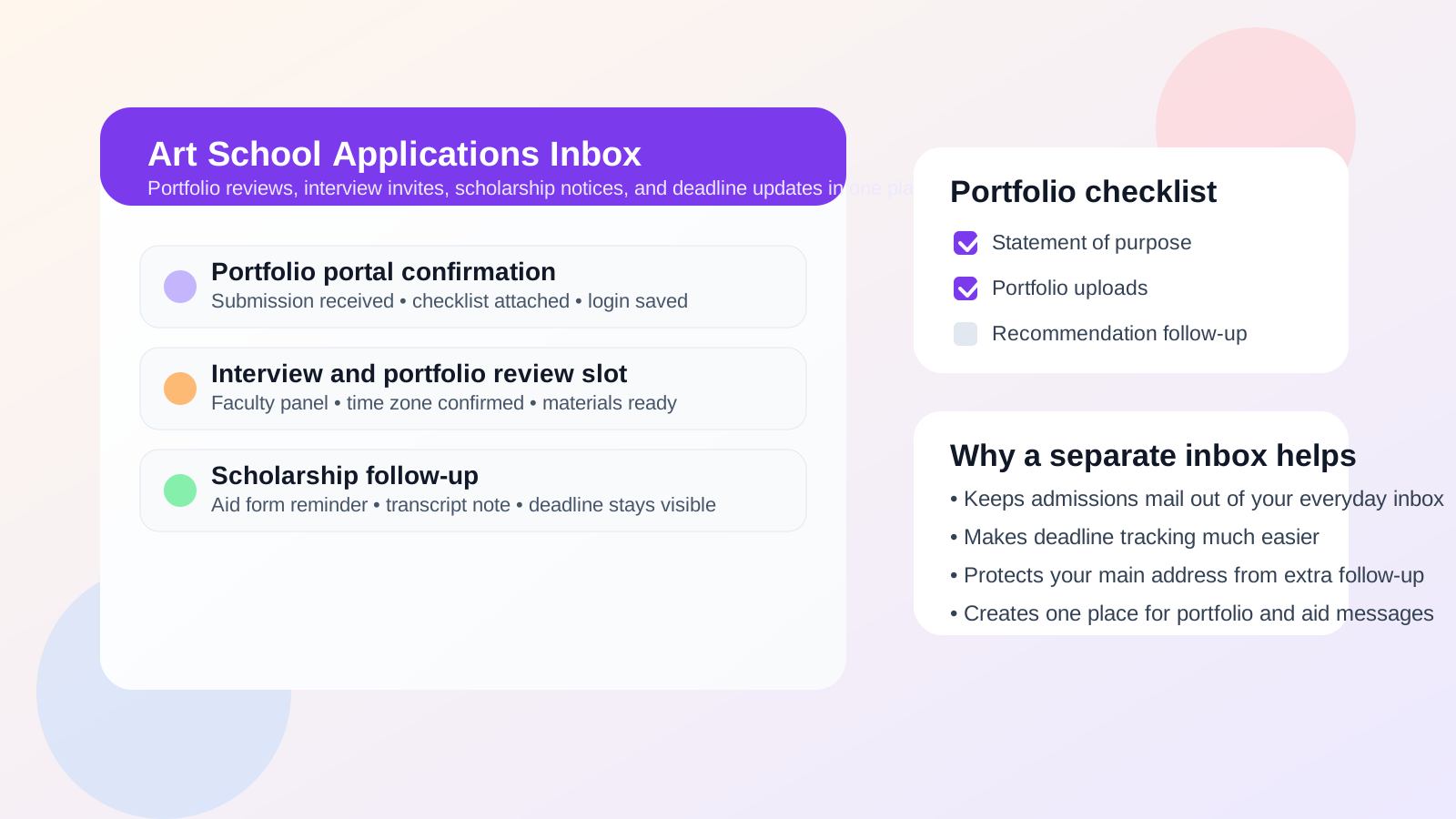
That is the practical answer behind searches for separate email for art school applications. Art school applications can look simple from the outside, but the email side gets busy fast. One program may send portfolio instructions through an application portal, another may ask for additional image specifications, another may invite you to an interview or review, and another may send scholarship or financial aid follow-up on a completely different timeline. When all of that is mixed into your everyday inbox, it becomes much easier to miss something important.
A separate email does not mean creating a complicated system. It simply means giving your admissions process its own inbox. That one small boundary can make it easier to stay organized, protect your privacy, and keep all the moving parts of art school admissions visible from the first submission to the final decision.
Why art school applications create messy inboxes
Creative admissions tend to generate more back-and-forth than many people expect. Beyond the main application itself, you may be managing portfolio uploads, file-format requirements, recommendation reminders, interview scheduling, merit scholarship messages, financial aid requests, student-account setup, and event invitations from several schools at once.
Even when every school is acting reasonably, the combined traffic adds up. If those messages land next to receipts, newsletters, social alerts, personal conversations, and random signups, your attention gets fragmented. That is when people start missing submission confirmations, forgetting which school asked for what, or realizing too late that a portal notice got buried under everything else.
Why a separate email usually helps
The main benefit is clarity. When every art school application message lives in one inbox, you have a single place to check for updates. That helps with both organization and peace of mind.
- Better deadline tracking: admissions reminders, portfolio notes, and scholarship follow-up are easier to spot when they are not mixed with everyday mail.
- Cleaner search history: if you need to find a confirmation code, reviewer invitation, or aid document request, you know exactly where to look.
- Less stress: one admissions inbox makes the process feel more contained and manageable.
- Better privacy: your main personal address does not need to be used on every portal, form, event registration, or mailing list tied to the application process.
That last point matters more than people think. Schools themselves are not usually the problem. The bigger issue is the wider admissions ecosystem around them: webinar signups, portfolio events, student outreach lists, third-party submission tools, and various optional updates that keep arriving long after you apply.
When a separate email is especially useful for art school applicants
A dedicated admissions inbox is especially worth it if any of the following sound familiar:
- You are applying to several programs at the same time.
- You are submitting a portfolio with different rules for each school.
- You expect interview requests, review sessions, or faculty follow-up.
- You are also juggling scholarship applications or financial aid paperwork.
- You want a clean record of every message connected to your applications.
- You prefer not to expose your everyday personal inbox to every admissions-related signup.
The more moving parts you have, the more value a separate inbox gives you. It turns a scattered process into one that feels much easier to control.
What kind of email should you use?
For official art school applications, the safest choice is a stable, professional-looking address that you control for the full admissions cycle. It does not need to be fancy. It just needs to be easy to access, easy to remember, and unlikely to disappear while schools are still contacting you.
In practice, that means a normal long-term inbox created specifically for applications rather than a throwaway address that could expire. If you want a clear rule, it is this: use a separate email for official applications, not a fragile one.
Separate email vs temporary email
This distinction matters. A temporary email can be useful for low-stakes situations such as downloading a brochure, testing a portal, or signing up for a one-off event where you do not want ongoing marketing mail. That is where a service like Anonibox can make sense.
But official art school applications are usually not low stakes. You may need access to password resets, portfolio confirmations, additional document requests, interview logistics, waitlist movement, and final decision notices for weeks or months. That is why a stable separate inbox is normally the better answer than a disposable inbox for the core application itself.
A good practical split looks like this:
- Separate long-term inbox: main applications, portfolio portals, interviews, financial aid, and decision emails.
- Temporary inbox when appropriate: optional webinar registrations, brochure downloads, or low-importance marketing-style signups.
How to set up a separate email for art school applications
1. Create the inbox before you start submitting
Do it early so every school and portal starts in the same place. Changing contact details in the middle of the process is possible, but it is extra work you do not need.
2. Use a simple, professional address format
Keep it straightforward and easy to type. Admissions offices should be able to recognize it as belonging to a real applicant, not a joke account or a messy old username.
3. Save every login and portal detail immediately
Art school applications often involve multiple systems. As soon as you receive a confirmation or portal message, save the school name, login method, and any key deadlines somewhere secure.
4. Create a basic folder or label system
You do not need an elaborate setup. A few simple folders are enough:
- Applications submitted
- Portfolio and materials
- Interviews and reviews
- Scholarships and aid
- Decisions and next steps
5. Check it on a routine schedule
During the busy part of the cycle, check the inbox daily. As deadlines get close, check more often. The whole point of the separate inbox is that it gives you a reliable routine.
Best practices during the application process
Once the inbox exists, a few habits make it much more useful.
- Reply from the same address every time: consistency reduces confusion.
- Whitelist important senders: if a school or portal tends to land in promotions or spam, fix that early.
- Use your inbox as a checklist: starred emails, folders, or labels can show what still needs attention.
- Archive optional noise: open house promotions and general newsletters should not hide deadline-related messages.
- Keep it active after submission: do not stop checking once applications are sent. Many important messages arrive later.
Common mistakes to avoid
- Using your oldest personal inbox: if it is already cluttered, it will stay cluttered.
- Using a disposable inbox for the whole process: that can backfire when you need a reset link or a late follow-up message.
- Mixing applications with unrelated signups: once the separate inbox turns into another general-purpose inbox, you lose the benefit.
- Forgetting scholarship and aid timelines: those messages are easy to overlook even though they can matter as much as the admissions decision itself.
What about privacy and spam?
Using a separate email will not eliminate every unwanted message, but it does contain the problem. If some schools, platforms, or event lists send more follow-up than you want, they are reaching your admissions inbox rather than your everyday personal address. That gives you more control both during and after the application cycle.
It also makes cleanup easier later. Once you have accepted an offer, deferred, or finished the cycle, you can decide how to keep, archive, filter, or retire that inbox without disrupting the rest of your digital life.
A quick checklist before you apply
- Do I have one stable inbox just for art school applications?
- Does the address look professional and easy to recognize?
- Have I saved portal logins and confirmation emails?
- Do I know where interview, scholarship, and aid messages will land?
- Am I using temporary email only for low-stakes optional signups, not core admissions communication?
If the answer to those questions is yes, you are in much better shape than most applicants who try to manage everything through one overloaded personal inbox.
Final answer
For most applicants, a separate email for art school applications is a smart, low-effort upgrade. It keeps portfolio instructions, school-specific reminders, interview scheduling, and scholarship follow-up in one place while giving your personal inbox a layer of protection from extra clutter.
If you want the short version, use a stable dedicated inbox for the real application process and reserve temporary addresses for optional low-stakes signups only. That balance gives you the organization you need for admissions without giving every part of the process direct access to your everyday email life.