Yes — for most applicants, using a separate email for music school applications is the safest and most practical setup. It keeps audition invites, prescreen requests, scholarship updates, and deadline reminders in one place instead of burying them in your everyday inbox.
Music school applications often stretch across months and involve more back-and-forth than a standard college form. A dedicated inbox makes it much easier to stay organized, reply quickly, and reduce privacy headaches while you manage schools, faculty communication, and financial aid messages.
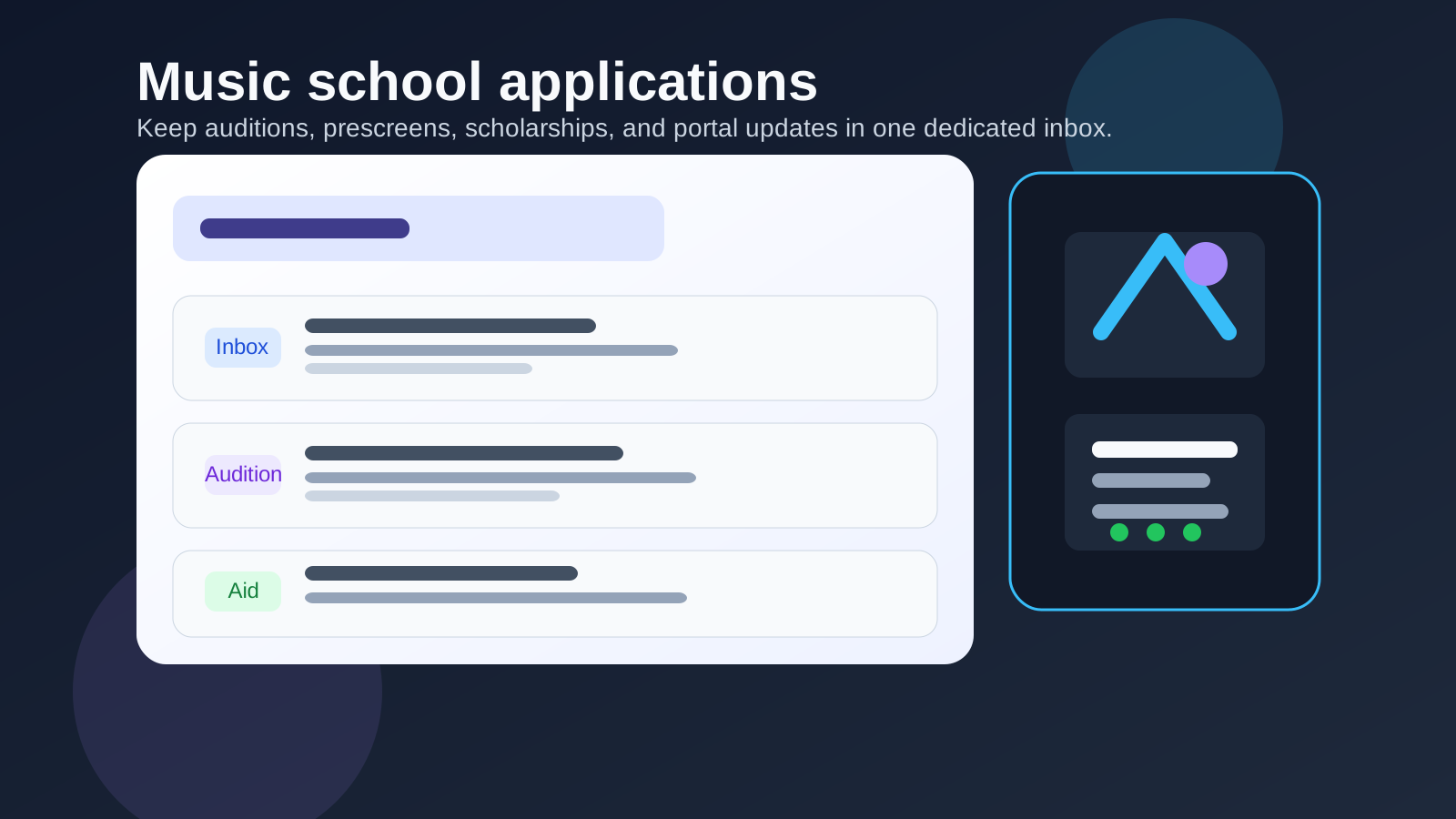
Why music school applications create email overload so quickly
Music school admissions usually come with moving parts that do not exist in many other application cycles. You may be dealing with prescreen recording instructions, audition scheduling, repertoire updates, accompanist questions, portfolio or resume attachments, teacher outreach, scholarship notices, and portal password resets at the same time. If all of that goes to the same inbox you use for newsletters, personal messages, receipts, and social notifications, important details can disappear fast.
A separate address does not make the process easier by magic, but it does remove a lot of avoidable chaos. When every school-related message goes into one mailbox, you can scan it quickly, search it cleanly, and notice problems before they turn into missed deadlines.
What usually lands in that inbox
- Application account confirmations and portal links
- Prescreen upload instructions and technical reminders
- Audition invitations, rescheduling notes, and live or virtual logistics
- Requests for transcripts, recommendations, repertoire lists, or supplemental materials
- Scholarship, merit aid, and financial-aid follow-up
- Faculty studio communication or department event notices
- Waitlist, acceptance, rejection, and deposit messages
That is a lot of traffic for one season. A dedicated inbox gives those messages a home instead of turning them into background clutter.
Why a separate email is usually better than your everyday address
1. It keeps deadlines visible
Music applicants often juggle multiple schools at once, and each one may run on a slightly different schedule. A separate inbox makes it easier to catch details like final prescreen receipt dates, audition confirmations, or deposit deadlines without sorting through unrelated mail.
2. It reduces spam in your personal inbox
Some schools, arts programs, and related platforms send more marketing-style follow-up than you expect. Once your address gets added to mailing lists, event announcements, summer program promotions, and general admissions campaigns, that traffic can continue long after your main application season is over. Keeping the process on its own address protects your everyday inbox from becoming a long-term holding pen for old admissions email.
3. It helps you present yourself more professionally
If your usual email is tied to old usernames, school accounts you may lose access to, or an address that feels too casual, a dedicated application inbox is a clean reset. A simple address based on your name looks reliable and makes faculty, admissions offices, and accompanists more likely to take your replies seriously.
4. It makes search and filtering much easier
Later in the cycle, you may need to pull up one exact message fast: an audition repertoire note, a Zoom link, a faculty contact, or a scholarship instruction. Searching a mailbox built only for music school applications is dramatically easier than searching a general inbox full of years of unrelated messages.
Is a temporary email a good idea for music school applications?
Usually no. A temporary inbox can be useful for low-stakes browsing, mailing-list downloads, or one-off signups, but music school applications are rarely low stakes. Important messages can arrive weeks or months after your initial submission, and you need an address you can monitor consistently through auditions, decisions, and deposit season.
That is the key difference: a separate email is stable, while a disposable inbox may not be. A tool like Anonibox can make sense when you want to avoid spam during casual research, but when you are actually applying to music schools, you want an address you control long enough to handle every follow-up without gambling on message availability.
When a separate email is especially smart for music applicants
- You are applying to several conservatories or university music programs at once.
- You expect audition rescheduling, prescreen follow-up, or faculty outreach.
- You are using recording platforms, submission portals, and financial-aid systems with separate logins.
- You want to keep your personal inbox from filling up with admissions and promotion traffic.
- You need a stable contact address that will still work after you graduate or change schools.
If any of those sound familiar, the separate-inbox approach is not overkill. It is just good logistics.
How to set up a separate email for music school applications
Pick a simple, long-term address
Use a professional name-based format if you can, such as your first and last name or a clean variation. Avoid jokes, random numbers, or references that make the address feel temporary. Music schools may forward your information internally, and a polished address makes every interaction feel smoother.
Turn on account recovery and two-factor authentication
Losing access to the inbox in the middle of application season is a terrible unforced error. Add recovery methods you actually control and secure the account from day one.
Create a folder structure before email starts arriving
A little organization up front saves a lot of time later. A simple setup could include:
- Action needed
- Auditions
- Financial aid and scholarships
- Accepted / waitlist / final decisions
- Receipts and confirmations
Set filters for each school
If you are applying to five or ten programs, automatic labels or folders can save you from a lot of manual sorting. It becomes much easier to review everything from one school at a glance before a prescreen deadline or live audition.
Check it on a schedule
Do not create a separate inbox and then forget it exists. During the busiest weeks, check it at least daily. When audition scheduling opens or decisions are near, checking twice a day is not excessive.
Practical examples of what this setup prevents
A missed audition email
You are waiting for an audition invite, but the message lands between shopping receipts, streaming renewals, and group chats in your personal inbox. A dedicated email lowers the chance that a time-sensitive message gets buried until it is too late to pick a slot.
A scholarship message you notice too late
Some scholarship or merit-aid opportunities come with short response windows. If that notice is competing with unrelated mail, the risk of a miss goes up. In a separate inbox, it stands out immediately.
A portal reset during a deadline crunch
If a school portal fails right before a submission deadline, you may need a password reset or identity verification email quickly. Hunting through an all-purpose inbox is slower and more stressful than checking a mailbox reserved for this exact process.
Common mistakes to avoid
- Using your current school address if you may lose access: if graduation or account deactivation is on the horizon, use an address you fully control.
- Forwarding everything without checking the original inbox: forwarding helps, but you still want the dedicated mailbox as the source of truth.
- Using a temporary inbox for real submissions: fine for casual research, risky for live applications.
- Ignoring spam and promotions folders: legitimate school messages sometimes land there, especially automated ones.
- Replying from a different address: switching addresses mid-process can confuse admissions staff and make message threads harder to follow.
A simple checklist before you start applying
- Create one professional inbox just for music school applications.
- Save the login and recovery details somewhere secure.
- Turn on two-factor authentication.
- Set filters or labels for each school.
- Check spam folders during prescreen and audition season.
- Use the same address consistently across every portal and email reply.
Final answer
For most applicants, the answer is yes: a separate email for music school applications is a smart move. It keeps deadlines, audition logistics, prescreen communication, scholarship notices, and final decisions organized in one stable place while protecting your personal inbox from clutter.
The best setup is not a throwaway address you might lose. It is a dedicated inbox you can monitor confidently from the first inquiry through the last decision. That small organizational choice can make the entire music school application season calmer, clearer, and much harder to derail with one missed email.