Should you use a separate phone number for job referrals? In many cases, yes — a separate, stable number can protect your privacy, reduce spam, and keep referral follow-up organized.
No — it should not be a throwaway line you barely monitor. Real referrals can turn into recruiter calls, text scheduling, and interview logistics weeks later, so the number needs to be reliable.
Why job referrals change the phone-number question
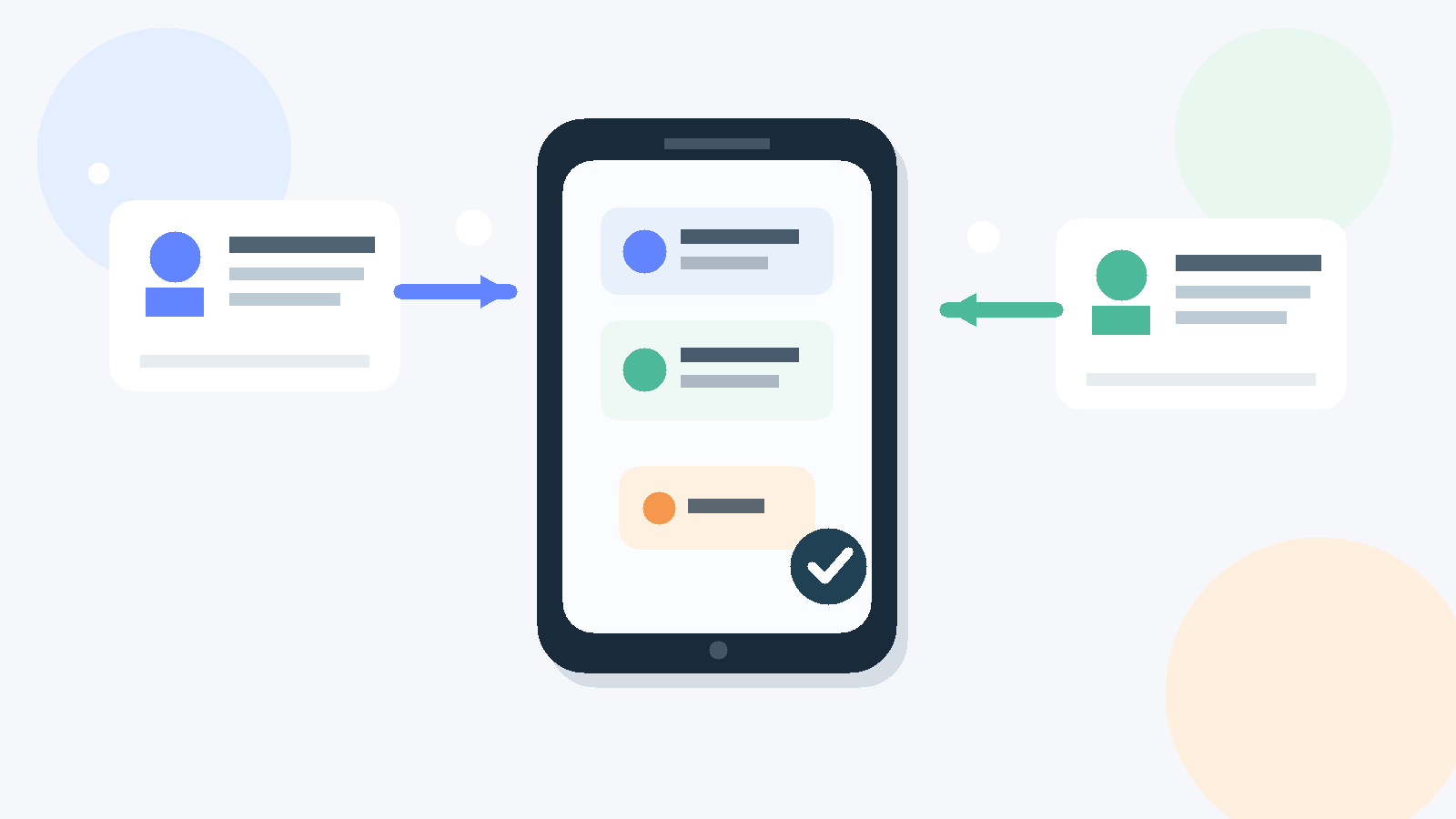
A referral is different from a cold application. When someone inside a company forwards your resume, introduces you to a recruiter, or tells a hiring manager to take a look, the process often becomes more personal and more active. Instead of one silent submission, you may get a screening call, a text asking about availability, a follow-up from recruiting, and later messages about interviews or alternate roles.
That creates a real privacy trade-off. You want to stay easy to reach because referrals can move quickly, but you may not want every employee, recruiter, staffing partner, and applicant-tracking system tied directly to your main personal phone number. A separate number can be a smart middle ground if you treat it like a real communication channel rather than a disposable gimmick.
Short answer: usually yes, if the number is stable
If you are actively networking and getting referred into companies, using a separate phone number is often a good idea. It gives you cleaner boundaries, makes recruiter communication easier to organize, and limits how widely your main number spreads during a job search.
But the key word is separate, not disposable. A referral can resurface after a week, a month, or even longer. If your number expires, drops texts, or sits unchecked, the privacy benefit stops being worth it. You need a number you can keep active for the whole search and monitor consistently.
What a separate phone number helps you avoid
1. Long-term spam and low-quality outreach
Once your number lands in recruiter databases, agency CRMs, resume tools, and hiring systems, it can travel farther than you expect. Some of that follow-up is legitimate. Some of it is irrelevant. Some of it is borderline spam. A separate number helps contain that noise so your everyday line does not keep collecting it long after the search is over.
2. Blurred personal boundaries
Job referrals often come from friends, former coworkers, alumni contacts, and professional communities. That is useful, but it can also create communication at awkward times. A separate number makes it easier to decide when to answer, when to return calls, and how to keep job-search activity from bleeding into family, travel, errands, and everything else attached to your main phone.
3. Easier scam filtering
Job searching attracts scams. Fake recruiters, vague “remote opportunities,” and urgent text messages asking you to move to another app are common enough that experienced job seekers learn to be skeptical. If all job-search phone traffic lands on one dedicated number, it becomes easier to spot what belongs there and what feels off.
4. Cleaner follow-up when multiple referrals are active
If you are talking to several people at once, separate contact channels reduce confusion. You can keep voicemails, missed calls, and text threads grouped around your search instead of mixing them with school notices, delivery updates, banking alerts, and personal conversations.
When using a separate number makes the most sense
- You are still employed and want a more confidential search. A separate number creates a cleaner boundary between your current life and your next move.
- You are getting several referrals at once. More volume means more value from separation and organization.
- You are worried about recruiter spam later. A dedicated line is easier to quiet, screen, or retire after the search ends.
- You already use a separate email for job search. Matching that setup with a separate number often makes the whole process calmer.
- You use low-trust job boards or networking platforms in parallel. Keeping all job-related outreach off your primary number lowers your exposure.
When your main number is probably fine
You do not need a second number in every case. Your main number is usually fine if your search is small, you only expect an occasional referral, and you are comfortable sharing it with legitimate employers. Plenty of people get hired using the same number they already use for daily life.
The point is not that a separate number is mandatory. It is a privacy and organization tool. If your current setup is working, you are not being careless by using your regular number. The separate-number strategy is most helpful when you want tighter control over who gets your contact information and what happens to it later.
The biggest mistake: using a number that is too disposable
This is where people get it wrong. A referral is not the same thing as a one-time coupon signup or a throwaway gated download. When a real person is introducing you to a real company, your contact details need to hold up.
- Do not use a number that may expire before the referral process ends.
- Do not use a number you forget to check.
- Do not rely on a setup that handles calls poorly or drops SMS messages.
- Do not switch numbers mid-process unless absolutely necessary.
Recruiters text about scheduling. Coordinators call when interview links fail. Hiring teams sometimes revive old referrals weeks later. If the number is unstable, you can lose momentum for reasons that have nothing to do with your qualifications.
What kind of separate number works best?
The best option is usually a stable secondary number that you control fully and can monitor from your normal devices. Depending on your region and what is lawfully available to you, that might be a second SIM, a virtual number, or another long-lived setup that gives you dependable calling, texting, and voicemail.
Whatever form it takes, a good referral number should meet five tests:
- It is reliable. Calls and texts arrive when they should.
- It is monitored. You actually see missed calls and notifications.
- It is stable. It will still exist if the hiring process stretches out.
- It sounds professional. Voicemail is set up and clear.
- It is under your control. You can keep it active as long as the search requires.
If your setup fails one or two of those tests, it is probably better for casual signups than for live referrals.
How to use a separate number without missing opportunities
Set up voicemail immediately
A simple greeting with your name is enough. Referral conversations often begin with a human introduction, so the fallback experience should feel normal and professional.
Reply quickly, even if briefly
You do not have to be glued to your phone, but referrals cool off when communication drags. If you miss a call, a short response such as “Thanks, I saw this and will call back this afternoon” is often enough to keep things moving.
Use one number consistently
If a referrer introduces you with one number and your resume lists another, confusion starts early. Pick the number you want to use for the search and stick with it across referral messages, applications, and later interview coordination whenever possible.
Keep notes on who gave your number to whom
Referrals create branching communication. One friend may share your details with a recruiter. Another may forward you to a hiring manager. A little note-taking helps you understand why a new caller has your number and whether the outreach is expected.
Screen cautiously, not fearfully
Unknown numbers are common in hiring. You do not need to answer every call instantly, but you should have a process: let it go to voicemail when needed, listen quickly, and return legitimate calls promptly.
How this fits with email privacy and Anonibox
Anonibox readers usually think carefully about exposure. That instinct is useful here too, but the right tool changes with the stage of the search.
For low-trust forms, one-off gated resources, or exploratory signups, a temporary inbox can make perfect sense. It helps keep your main email cleaner while you figure out which opportunities are worth taking seriously. A live referral is different. Once a real person is helping you get in front of a company, you want stable contact information on both the email side and the phone side.
That is the practical line to draw: use temporary tools at the noisy edges of a search, and use stable separate tools when the opportunity becomes real. In other words, Anonibox can protect your inbox during exploratory activity, but a real referral deserves a phone number and email address that will still work when the recruiter reaches back out next week.
Red flags that mean you should slow down
- A supposed recruiter refuses to identify the company clearly.
- You are pushed to move immediately to WhatsApp, Telegram, or another channel with no context.
- The caller asks for money, verification codes, or sensitive identity details too early.
- The role sounds vague, unusually urgent, or dramatically overpaid.
- The referral story does not line up with what the person contacting you can explain.
A separate number helps with privacy, but it is not a substitute for judgment. If something feels wrong, verify the company independently before continuing.
Common mistakes to avoid
- Using a number that looks clever but behaves unreliably.
- Checking the number only once every few days.
- Giving different numbers to the referrer, recruiter, and application portal.
- Leaving voicemail full or unconfigured.
- Assuming every text that mentions a job is legitimate just because you are searching.
A quick decision checklist
Before you decide, ask yourself:
- Am I expecting several referrals or only one?
- Do I want stronger privacy around my job search?
- Will I actually monitor a separate number closely?
- Is the number stable enough for weeks of follow-up?
- Would sharing my main number create annoyance or long-term spam I would rather avoid?
If your answer to most of those questions points toward more privacy and better organization, a separate number is probably worth it.
Final answer
Yes — using a separate phone number for job referrals is often a smart move, especially if you want more privacy, cleaner boundaries, and better control over recruiter communication. The important part is choosing a number that is dependable enough for real hiring activity.
Think of it as a professional buffer, not a disappearing mask. A stable separate number can help you stay reachable for real opportunities without handing your main personal line to every recruiter, referral chain, and hiring system along the way. Used that way, it is a practical upgrade for a privacy-conscious job search.