Usually no — Instagram DMs are fine for first contact or a quick acknowledgment, but a real job offer should move to verified email or an official employer channel before you trust the details.
If someone claims they want to hire you through Instagram alone, slow down, verify who they are, and ask for a written offer from a company domain before sharing more information or making decisions.
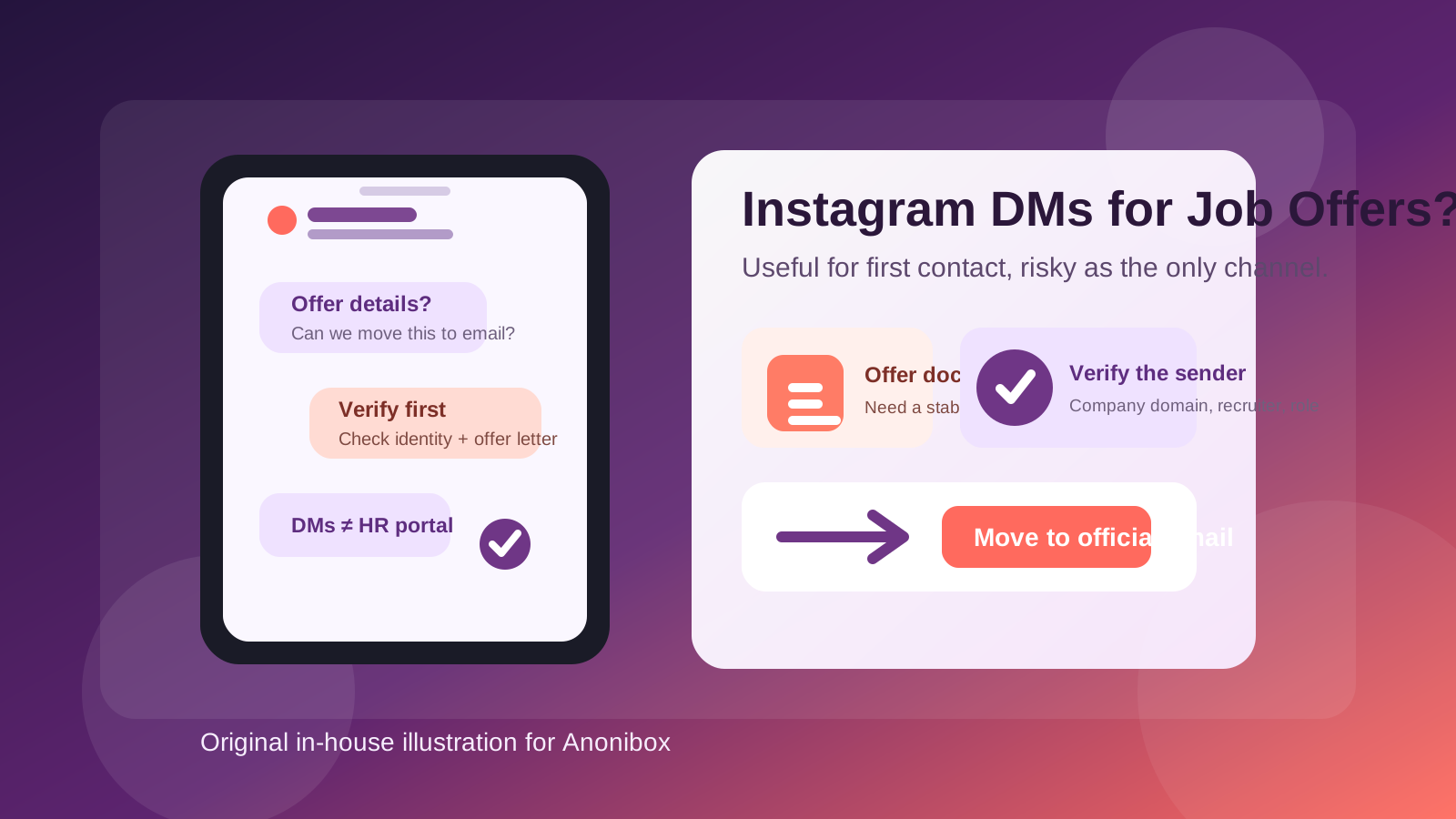
That is the practical answer behind searches for should you use instagram dms for job offers. Instagram is built for attention, casual conversation, and personal identity. Job offers are the opposite: they usually involve compensation details, timelines, documents, negotiation, and a lot of trust. When those two worlds collide, the problem is not just professionalism. It is verification.
A recruiter or hiring manager might legitimately notice your profile, especially if you work in design, marketing, media, beauty, events, music, fitness, hospitality, or creator-adjacent fields. In those spaces, Instagram sometimes acts like a public portfolio and a networking layer. That part is real. What is not ideal is keeping the actual offer stage inside DMs once the conversation becomes serious.
Short answer: use Instagram DMs only as a bridge, not as the final hiring channel
If a company reaches out on Instagram, a DM can be a reasonable opening message. It can also be a fine place to say, “Thanks — please send the details to my email,” or “Happy to continue once I can verify the role.” But if the sender wants to discuss salary, start dates, contracts, tax forms, equipment, or urgent next steps entirely through Instagram, that is where the risk jumps.
The safest approach is simple: treat Instagram as a discovery channel, not the channel where you accept, negotiate, or document the actual offer.
Why the offer stage is different from early outreach
Early-stage contact is often lightweight. Someone notices your profile, asks whether you are open to opportunities, or checks whether you are available for a call. That is very different from a job offer.
Once an offer appears, you need more than convenience. You need a reliable paper trail, a way to confirm the employer identity, and a stable place to review the terms. Offer-stage communication often includes:
- job title and team details
- compensation, commission, or contract structure
- start-date expectations
- location, remote rules, or scheduling commitments
- written offer letters or onboarding instructions
- follow-up documents that should never be handled casually
Instagram DMs are weak at several of those jobs. Messages can feel informal, fragmented, or easy to fake. They also blur your personal social identity with a business conversation that may affect your income and privacy.
What can go wrong with job offers in Instagram DMs?
1. Fake recruiter profiles are easy to create
A polished profile picture, a company logo in the bio, and a few posts do not prove much. Scam accounts can imitate agencies, founders, brand managers, or hiring coordinators. Some even copy the names and photos of real employees. On Instagram, that kind of impersonation can look credible for just long enough to pressure someone into replying.
If the only “proof” of legitimacy is the Instagram account itself, that is not enough for an offer-stage decision.
2. DMs are a bad place for offer details and records
Offers should be easy to review later. You may need to compare the role with another opportunity, confirm what was promised, or revisit a question about pay, hours, benefits, equipment, or reporting lines. DMs make that harder than an email thread or formal document does.
Even when the sender is real, the format works against you. Important details get scattered between short messages, voice notes, screenshots, and reaction-heavy chat. That is not ideal when the stakes are high.
3. Social urgency makes manipulation easier
Scammers and sloppy recruiters both benefit from urgency. A DM that says “We need your decision today” or “Reply now so HR can lock this in” creates pressure before you have verified anything. Instagram’s design makes quick emotional reactions very easy, which is exactly what you do not want during a hiring decision.
4. Your personal identity becomes part of the negotiation
When a job offer stays inside Instagram, the employer also sees your social environment more directly: who follows you, what you post, how you interact, and what kind of personal boundaries you keep. Sometimes that feels normal. Other times it creates an awkward power dynamic, especially if you would prefer to separate your private life from your job search.
5. It is easier to get pushed into risky channel changes
A suspicious DM often tries to move you into a more vulnerable step: a sketchy form, an unofficial payment request, a fake onboarding portal, a text thread, Telegram, WhatsApp, or a “background check fee” page. The DM itself may not be the whole scam. It is just the hook.
When an Instagram DM can be acceptable
Not every Instagram message about work is fake, and not every employer using social media is unserious. In some industries, it is completely normal for first contact to happen there. An Instagram DM can be reasonable when:
- the account clearly belongs to a real company or a real employee you can independently verify
- the message is short, specific, and professional
- the sender is willing to move to company email quickly
- the role also appears on an official careers page, website, or recognized business presence
- the DM is only a starting point, not the entire process
That is the key distinction. A legitimate sender usually does not mind being verified. In fact, a professional recruiter should expect it.
What a legitimate employer should do before you trust the offer
If the opportunity is real, asking for normal verification should not derail it. Before you treat an Instagram offer as genuine, look for a few grounding signals:
- a company-domain email: not just a DM handle or personal account
- a traceable person: a recruiter, manager, or founder whose name appears on the company site or a credible professional profile
- a written offer format: not vague promises in chat bubbles
- consistent role details: same title, company, and expectations across channels
- a sane process: no weird rush, no money requests, no pressure to hide the conversation
If those signals do not show up, the safest assumption is that the DM is not trustworthy yet.
A safer workflow if someone sends a job offer on Instagram
1. Acknowledge the message without committing
You do not need to ghost a potentially real opportunity. A short reply works: thank them, say you are open to reviewing details, and ask them to continue through official email.
2. Verify the company independently
Do not use only the links inside the DM. Search for the company yourself, visit the official site, confirm the role, and see whether the sender appears anywhere credible. If you cannot independently find them, that matters.
3. Move the conversation to a stable channel
Email is usually the best next step. It creates a searchable record and gives you a cleaner place to review attachments, offer letters, and scheduling details. If the employer has a portal or formal HR workflow, even better.
4. Review the offer like an offer, not like a chat
Slow down long enough to read the title, compensation structure, work arrangement, manager, timeline, and conditions. If something is missing, ask for it. Real offers should survive basic scrutiny.
5. Keep your privacy layered
If Instagram was only the discovery point, keep it that way. Use a separate job-search email if that helps you stay organized. Tools like Anonibox can be useful earlier in a search when you want distance from spammy signups or low-trust outreach, but once a role becomes a serious offer, you should move important documents into a stable inbox you control and monitor carefully.
Red flags that make Instagram job offers especially risky
- The sender avoids company email and insists on staying in DMs.
- The account is new, thin, or inconsistent with the company brand.
- The role sounds great but the company website is vague or missing.
- You are asked to pay for training, software, equipment, or “verification.”
- You are told you are hired before any real interview or evaluation.
- The person becomes pushy when you ask basic questions.
- The message contains suspicious links, attachment downloads, or pressure to act immediately.
- The job offer language is vague: big promises, little substance, no written details.
Any one of those can be a warning sign. Several together should stop the process immediately.
Are Instagram DMs ever better than email for job offers?
Not really. DMs may feel faster, more personal, or more convenient on a phone, but those are weak advantages at the offer stage. Email and formal documents win on traceability, clarity, attachment handling, and professionalism. If the employer is real, moving off Instagram should make the process better, not worse.
That does not mean you need to panic if the first offer-related note came by DM. It just means you should not let the serious parts stay there.
A quick checklist before you take an Instagram offer seriously
- Can I verify the sender outside Instagram?
- Did I receive a message from a company domain or official hiring channel?
- Do the job title and company details stay consistent everywhere?
- Am I being rushed before seeing proper written terms?
- Would I feel comfortable explaining this process to a cautious friend?
If the answers feel shaky, trust that instinct and slow the process down.
Final answer: should you use Instagram DMs for job offers?
Usually no — not as the main or final channel. Instagram DMs can be acceptable for first contact or a quick nudge, especially in industries where social profiles matter. But a legitimate job offer should move into verified email or a formal employer workflow before you rely on it.
That protects your privacy, gives you a better record, and makes scams easier to spot. If an employer is real, they should be comfortable proving it. If they are not willing to do that, the DM is giving you useful information already.