Yes — you can use SimpleLogin on your resume if the alias looks professional, forwards reliably, and stays under your control long term. It is a smart privacy layer when you want inbox separation, but it is a bad fit if the alias is disposable, confusing, or something you might turn off while employers are still trying to reach you.
A resume is not the same thing as a throwaway signup form. Employers may keep it for weeks or months, forward it internally, or come back later with an interview request. That means the real question is not just whether SimpleLogin is private. It is whether your setup is stable enough to act like a real professional contact point.
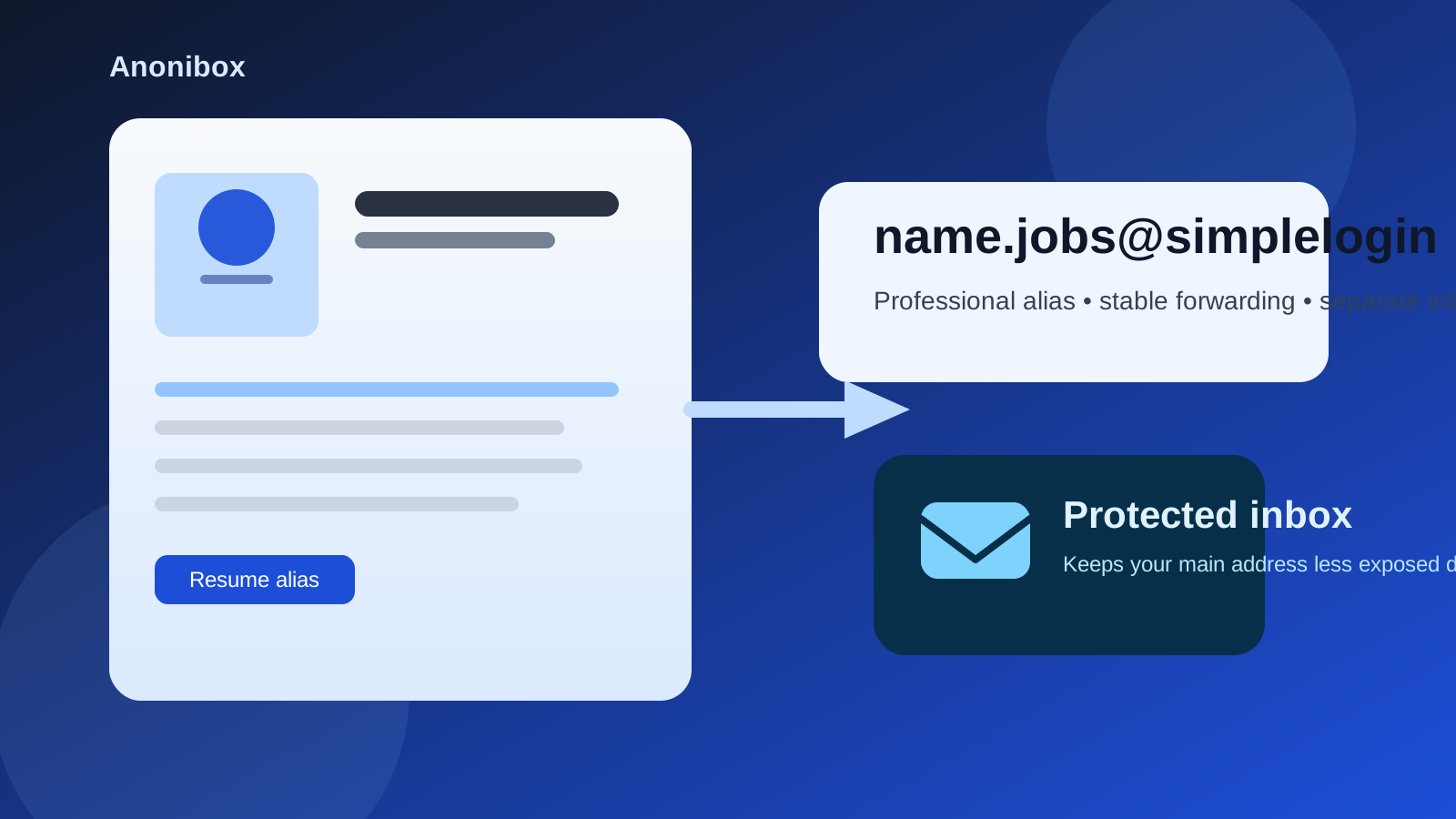
Why this question matters
Many job seekers want more control over their contact details than a main personal inbox gives them. That makes sense. A resume can travel through applicant tracking systems, recruiter databases, staffing agencies, job boards, and internal forwarding chains. Even if the company is legitimate, your address can end up exposed more widely than you expected.
SimpleLogin appeals to privacy-conscious people because it lets you create an alias instead of putting your underlying email address everywhere. That can be genuinely useful. It gives you separation, better organization, and an easy way to tell which messages came from your job search.
But resumes have a higher reliability standard than low-trust website signups. If an employer sends a screening request or a follow-up two months later, the alias still has to work. That is why SimpleLogin can be a great resume tool for some people and a risky choice for others.
Short answer: SimpleLogin is fine if the alias feels durable and professional
If you already use SimpleLogin comfortably, monitor the destination inbox every day, and plan to keep the alias active for the full job-search cycle, it can be a perfectly reasonable resume address. In some cases it is better than using an old, cluttered personal inbox that mixes recruiters with shopping receipts and newsletters.
If you are experimenting, rotating aliases constantly, or relying on an address you may disable as soon as the resume is sent, it is the wrong tool for the job. Resumes need continuity more than novelty.
What SimpleLogin is actually solving on a resume
On a resume, SimpleLogin is not mainly about hiding from employers. It is about controlling exposure and keeping your job-search traffic organized.
- Inbox separation: recruiter mail does not have to land in the same place as banking, family, and every service you have used for years.
- Alias tracking: if a message arrives through the resume alias, you instantly know where it came from.
- Reduced long-term exposure: your underlying address is not printed directly on a document that may be forwarded around.
- Cleaner cleanup later: if the search ends and the alias starts attracting noise, you have more control than you would with a fully exposed primary address.
Those are real benefits. The mistake is treating them like permission to use a flimsy or disposable setup. Privacy only helps if it does not cost you reachability.
When SimpleLogin works well on a resume
1. You want a dedicated job-search contact path
A separate inbox workflow is often smart during a job search. It lets you keep interview scheduling, recruiter follow-up, portfolio requests, and application confirmations in one lane. SimpleLogin can sit neatly on top of that system.
If your destination inbox is well managed, the alias becomes a professional front door rather than an extra moving part.
2. Your alias looks normal and trustworthy
Presentation matters. An alias like firstname.lastname.jobs@yourdomain.com or another clean naming pattern feels very different from something random-looking, overengineered, or obviously temporary. Employers do not need your real underlying address, but they do need something that looks easy to trust.
3. You plan to keep it active for months, not days
Hiring timelines drag. A role can go quiet and then suddenly revive. If you are comfortable leaving the alias active through interviews, delays, referrals, and late follow-up, SimpleLogin becomes much safer for resume use.
4. You test the forwarding and reply flow first
Before putting any alias on a resume, send test messages from multiple accounts, reply from your phone and laptop, and confirm everything lands where you expect. That sounds obvious, but it is exactly the kind of detail that prevents missed opportunities later.
When SimpleLogin is the wrong fit
1. You are using it like a disposable inbox
A disposable address has its place. Tools like Anonibox are useful when you are testing low-trust signups, researching platforms, or protecting your main inbox during early browsing. Your resume is different. It should point to a durable contact route, not something you may abandon after one afternoon.
2. You do not consistently monitor the destination inbox
An alias is only as good as the inbox behind it. If resume mail is forwarding into an account you rarely check, then the privacy win is not worth the communication risk.
3. The alias naming looks odd
A recruiter should not have to squint at your address and wonder whether it is fake, temporary, or mistyped. Avoid gimmicky words, unnecessary symbols, long random strings, or anything that sounds like a burner identity.
4. You are likely to change your setup mid-search
If you think you may switch providers, rename aliases, or disable forwarding rules while your resume is still circulating, use a simpler address. Stability beats cleverness during a job hunt.
SimpleLogin vs other email options
SimpleLogin vs your main personal email
Your main personal inbox is easy and stable, but it also exposes the address tied to much more of your life. If that inbox is already old, searchable, or heavily used, adding recruiter traffic may create more spam and less clarity over time. SimpleLogin gives you separation without forcing you into a short-lived disposable mailbox.
SimpleLogin vs a generic email alias
A generic alias article can only tell you so much. The provider matters. With SimpleLogin, the real issues are forwarding reliability, reply behavior, domain presentation, and whether you trust yourself to keep the alias maintained. That is why a SimpleLogin-specific decision is not quite the same as the general “email alias on a resume” question.
SimpleLogin vs a temporary email
Temporary email is best for one-off verification, low-trust testing, and situations where you intentionally do not want long-term contact. A resume is built for long-tail communication. If you need privacy plus durability, a stable alias is much better than a disposable inbox.
SimpleLogin vs a custom-domain email
If you already use a custom domain, combining it with alias forwarding can make your resume look especially polished. If you do not, a simple and readable alias can still work. The key is not prestige. The key is whether the address feels credible and remains reachable.
How to make a SimpleLogin resume alias look professional
- Use a clean naming pattern. Keep it readable and human. Your name plus a simple jobs marker is usually enough.
- Forward to an inbox you already trust. Do not forward important recruiter mail into an account you ignore.
- Test replies both ways. Make sure your outgoing responses look normal and do not confuse recipients.
- Keep the alias active through the full search. Assume employers may contact you later than you expect.
- Avoid resume-only overengineering. If the setup is so clever that you might forget how it works, simplify it.
- Use the same address consistently. Put the same alias on your resume, cover letter, and application forms when possible so employers are not guessing which address is current.
Practical examples
Good fit: You already use SimpleLogin, your alias forwards into a mailbox you check every day, the address looks professional, and you want your job search separated from your oldest personal inbox.
Risky fit: You created the alias yesterday, have not tested the reply path, and plan to shut it down as soon as you stop applying widely.
Bad fit: The alias looks random, you are using it like a burner, or you do not trust yourself to keep the setup maintained for months.
A quick checklist before you put SimpleLogin on your resume
- Does the address look professional at a glance?
- Will the alias still work three months from now?
- Do you check the destination inbox every day?
- Have you tested both receiving and replying?
- Would you feel comfortable reading the address out loud to a recruiter?
- Are you using this as a durable alias rather than a disposable trick?
If the answer is yes across the board, SimpleLogin can be a strong resume choice. If several answers are no, choose a simpler long-term address instead.
Final answer
SimpleLogin can absolutely work on your resume, but only when you treat it like a professional communication layer rather than a temporary privacy hack. The best setup is stable, readable, well monitored, and easy for employers to trust.
If you want more control over your job-search exposure, a SimpleLogin alias can be smarter than printing your oldest personal inbox on every resume you send. Just make sure the privacy benefit does not come at the cost of missed recruiter messages, confusing replies, or an address that looks too disposable to take seriously.
Used that way, it is not a gimmick. It is just a cleaner and more controlled contact path.