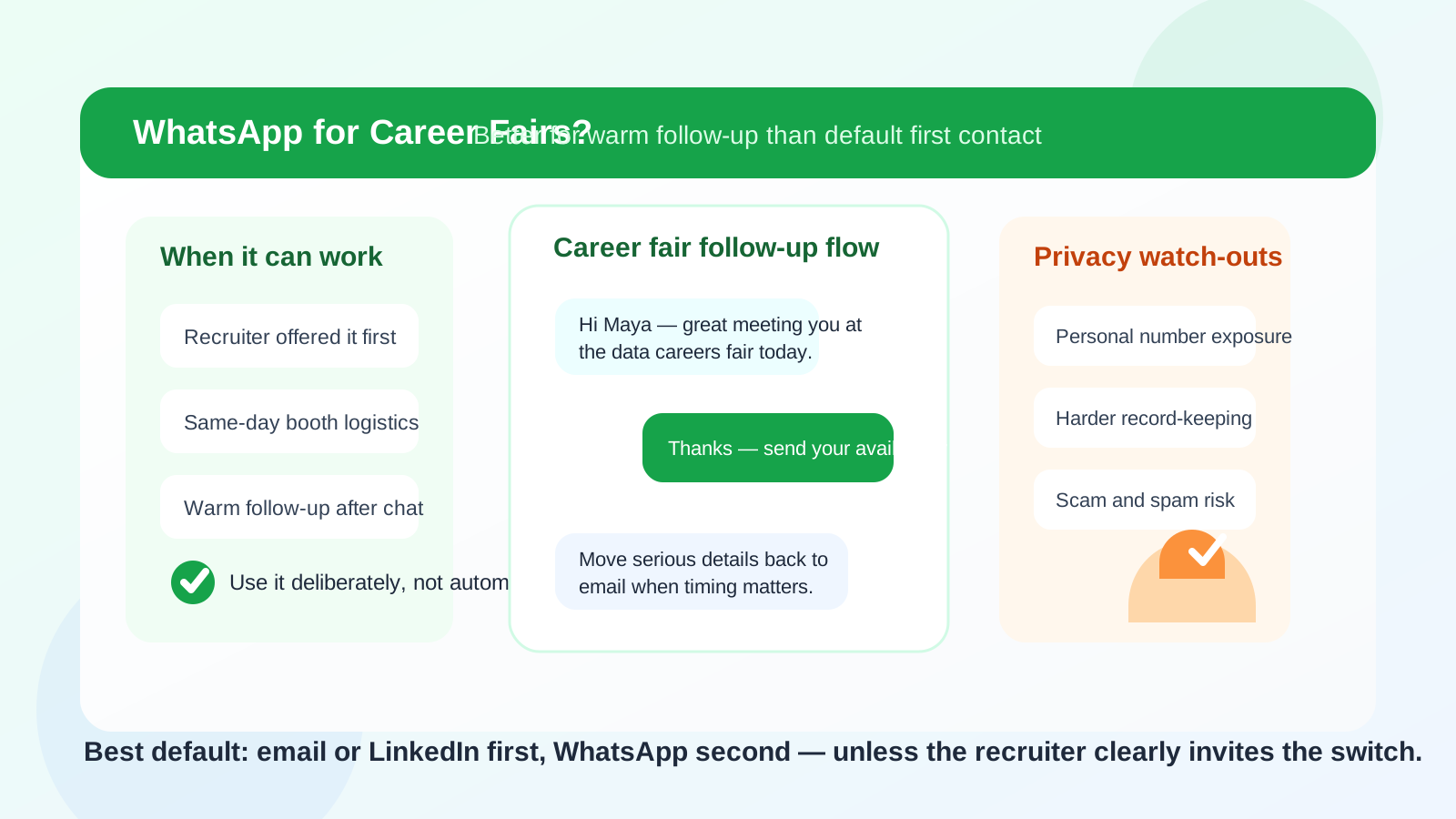
WhatsApp can work for career fairs, but it usually should not be your default first-contact channel with recruiters. It is best for opt-in follow-up or same-day logistics after a real conversation, not for handing out your personal number to every booth you visit.
If you want cleaner boundaries, searchable follow-up, and less phone-number exposure, start with email or LinkedIn first and move to WhatsApp only when the recruiter clearly prefers it or the conversation has already become more personal and time-sensitive.
Why people even consider WhatsApp after career fairs
Career fairs create a weird communication problem. You may meet ten companies in two hours, scan QR codes, swap quick notes with student recruiters, and promise to send a résumé or availability later that day. Email can feel slow. LinkedIn can feel noisy. WhatsApp feels immediate, familiar, and easy.
That convenience is real. A fast chat channel can keep momentum alive after a short booth conversation. It can also make a recruiter seem more accessible and less formal, which appeals to students, early-career candidates, and anyone trying to turn a brief interaction into a real follow-up.
But career fairs are also one of the fastest ways to spread your contact details to a large number of people and systems at once. That is why the channel question matters. You are not just choosing what feels easy in the moment. You are deciding how much of your personal contact identity to expose during a high-volume outreach event.
Short answer: yes sometimes, but not as your default
Using WhatsApp for career fairs is not automatically unprofessional. In some countries, industries, and recruiting cultures, it is completely normal. If a recruiter says, “Message me on WhatsApp later,” taking them up on that offer can be perfectly reasonable.
The problem starts when people treat WhatsApp as the automatic first move for every booth, recruiter, or event connection. The moment you do that, you are often sharing a personal phone number, moving the conversation into a more private channel, and making it harder to keep your search organized.
So the balanced answer is simple: use WhatsApp when the context supports it, but do not make it your default career-fair follow-up system.
What makes career fairs different from other networking situations
Career fairs combine three things that make communication choices more sensitive than they seem.
- Volume: you may interact with many recruiters or employer reps in a short period of time.
- Mixed trust levels: some contacts are great leads, some are general talent-pool collectors, and some are event partners you may never want to hear from again.
- Time pressure: follow-up can happen quickly, especially when employers are moving fast on screening calls, information sessions, or interview slots.
That mix means the ideal channel needs to be both responsive and controlled. WhatsApp gives you speed, but it does not always give you the best boundaries.
When WhatsApp can be a good choice
The recruiter offered it directly
This is the clearest green light. If a recruiter or hiring team member explicitly tells you to message them on WhatsApp, they are signaling that they are comfortable using it. Matching the channel they offered is often fine, especially for quick follow-up.
You need same-day logistics
WhatsApp is genuinely useful for practical coordination. Maybe a recruiter wants to move you to a quieter corner, confirm a mini-interview slot, or send a room number for a next-day campus session. Messaging apps are good at day-of logistics in a way email often is not.
You already had a real conversation
WhatsApp works much better as a continuation of an actual exchange than as cold outreach. If you discussed your background, the recruiter remembers you, and the next step is clear, the chat may feel natural rather than intrusive.
The local recruiting culture is mobile-first
In some regions, WhatsApp is a default business tool, not just a personal app. In those cases, refusing to use it at all can create friction. Even then, the better question is not “Can I use WhatsApp?” but “How much access do I want to give this contact, and for how long?”
When WhatsApp is usually the wrong first move
Cold follow-up after a weak interaction
If the recruiter barely spoke with you, scanned your badge, or handed you a generic card, jumping straight into WhatsApp can feel too personal too fast. Email or LinkedIn usually gives better context for that first follow-up.
High-volume outreach to many employers
If you are contacting a lot of employers after the fair, WhatsApp becomes messy quickly. Threads blur together, important details get buried, and your phone turns into the center of a process that probably belongs in email.
Anything that needs a durable paper trail
Résumés, interview availability, application links, screening details, and scheduling steps are easier to manage in email. WhatsApp can help open the door, but it is rarely the best filing cabinet.
Situations where scam risk is higher
Career fairs already generate follow-up traffic. That makes them a useful pretext for fake recruiter texts and vague “urgent opportunity” messages. Once your number starts circulating, it becomes easier for bad actors to sound believable.
The biggest tradeoff: your phone number becomes part of the relationship
The biggest difference between WhatsApp and email is not tone. It is identity exposure. When you move to WhatsApp, you usually reveal a phone number tied to you outside that one fair.
- Your number can be saved and reused: a recruiter, staffing coordinator, or third party may keep it long after the event ends.
- Your profile may show more than you expect: photo, display name, read receipts, and status settings can change how professional the interaction feels.
- Personal and professional traffic get mixed together: recruiter messages can end up beside friends, family, and everyday life.
- Spam and scam texts become more believable: once someone knows you attended a fair, fake follow-up becomes easier to frame convincingly.
That does not make WhatsApp unsafe by default. It just means the privacy cost is real and worth choosing deliberately.
How WhatsApp compares with better default options
Email is usually the strongest default for career-fair follow-up. It lets you remind the recruiter who you are, attach a résumé if appropriate, and keep a searchable record of what was said. It also creates a cleaner professional boundary.
LinkedIn Messages
LinkedIn often works well when the fair was brief but real. It keeps the connection in a professional context and does not require sharing your personal number right away. For many first follow-ups, it is a better middle ground than WhatsApp.
Text messages
Standard SMS has many of the same phone-number tradeoffs as WhatsApp, but often with even less context and organization. If the recruiter already offered texting, fine. If not, it is usually not the obvious upgrade over email.
A separate number
If you attend a lot of fairs or are privacy-conscious, a separate job-search number can be a practical buffer. It gives you the convenience of mobile contact without pushing every event interaction onto your main personal number.
There is also a useful split between registration-stage privacy and real recruiter follow-up. For example, using a temporary inbox such as Anonibox for low-trust event signups, sponsor downloads, or gated fair resources can help keep your main inbox cleaner. But once a recruiter relationship becomes real, stable contact details usually matter more than maximum separation.
Best practices if you do use WhatsApp
Let the recruiter opt into it
The cleanest use case is when they suggest WhatsApp first or clearly invite it. That keeps the channel choice mutual rather than presumptive.
Keep the first message short and contextual
A strong first message should remind them where you met and why you are reaching out. “Hi Jordan, this is Sam from the engineering career fair at State U — thanks again for the conversation about backend internships” is much better than “Hey” or a bare résumé drop.
Move important details back to email
If the conversation turns into interview scheduling, application instructions, or anything you will need to reference later, move the durable parts into email. Fast chat and long-term organization are not the same thing.
Review your privacy settings
If you use WhatsApp professionally even occasionally, check what new contacts can see. Profile photo visibility, read receipts, status sharing, and group-add settings all affect how much exposure comes with one recruiter conversation.
Do not confuse fast with urgent
A chat app makes messages feel immediate, but not every follow-up needs an instant reply. Professional responsiveness matters. Always-on availability does not.
Red flags to watch for
- A recruiter pushes you to move to WhatsApp immediately without explaining the role or company clearly.
- You are asked to pay fees, buy equipment, or share sensitive data in chat.
- The message feels copied, vague, or strangely urgent.
- You are sent unfamiliar links or asked to continue only on private messaging apps.
- The contact cannot or will not verify their company identity through normal channels.
Those warnings matter even if the original career fair was legitimate. A real event does not guarantee every follow-up is trustworthy.
A quick decision checklist
- Did the recruiter actually offer or invite WhatsApp?
- Did we have a real conversation, or just a fast booth interaction?
- Would email or LinkedIn work better for the first follow-up?
- Am I comfortable sharing this phone number beyond the fair itself?
- Would I regret mixing this conversation into my personal chat space?
If several of those answers make you hesitate, use email or LinkedIn first.
Final answer
So, should you use WhatsApp for career fairs? Sometimes, yes — but mostly as a follow-up tool after a real conversation, not as your default first-contact channel. It can be convenient for opt-in messaging and quick logistics, but it also exposes your phone number, weakens professional boundaries, and can make your job-search follow-up harder to manage.
The safer default is simple: use email or LinkedIn for first follow-up, keep your records organized, and move to WhatsApp only when the recruiter clearly prefers it or the context genuinely calls for faster chat. That gives you responsiveness without turning every career-fair interaction into long-term personal-number exposure.