No, you usually should not use your work email for salary negotiations. Use a personal or separate inbox you control so compensation discussions, revised offers, and written terms stay private.
A work address belongs to your employer, can be retained or monitored, and can create awkward exposure if negotiations stretch out, your plans change, or you leave quickly.
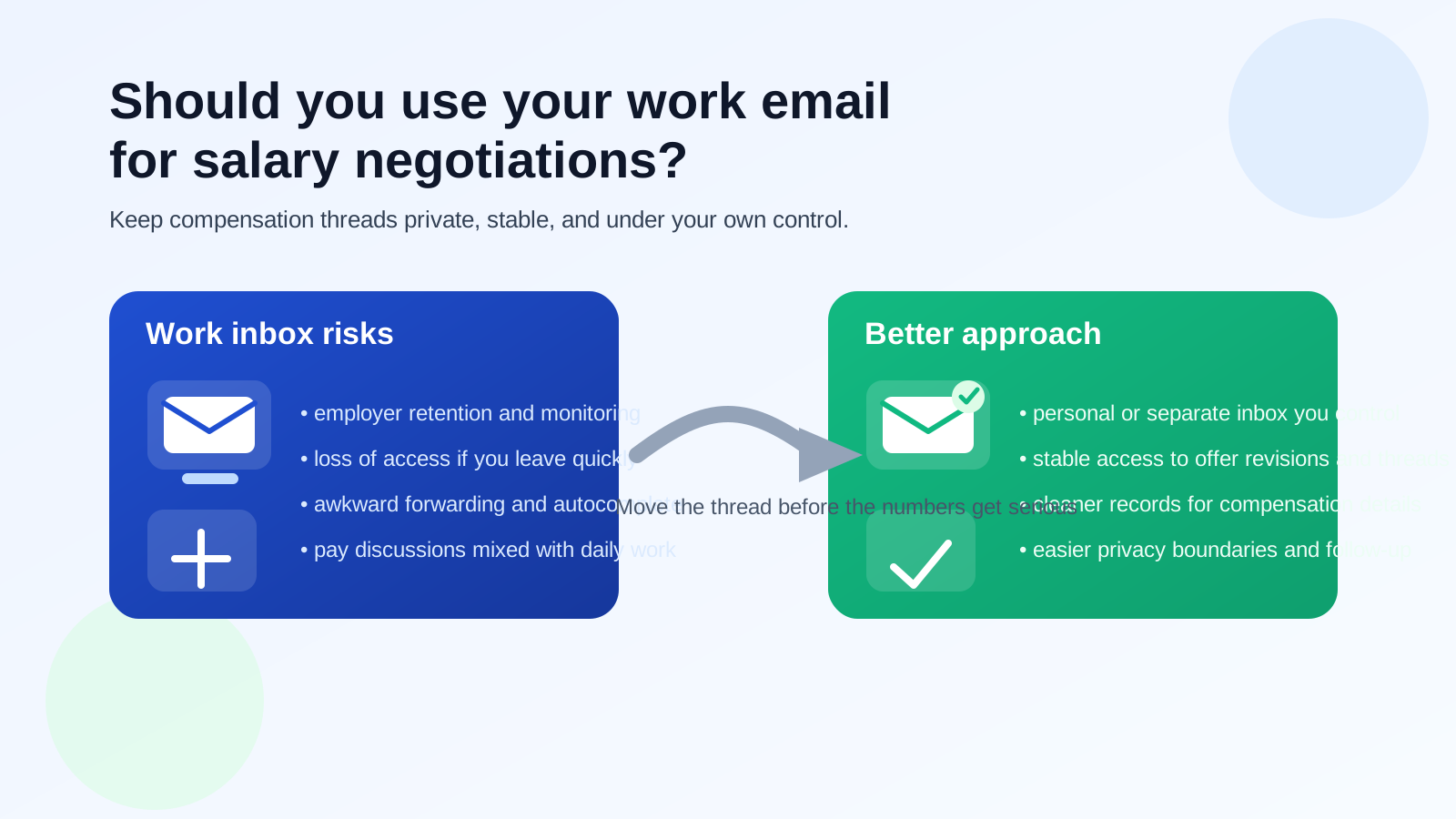
Salary negotiations are sensitive even when everyone is acting professionally. You may be discussing your current pay, a competing offer, a sign-on bonus, equity, relocation support, or deadlines that affect your next move. That is exactly the kind of conversation you want to keep in an inbox you can access without employer systems, corporate retention rules, or accidental visibility from coworkers and IT tools.
The basic rule is simple: if you are negotiating with a new employer, use an email address that you personally control. If you are negotiating internally with your current employer about a raise, promotion, or scope change, using your work email may be normal because the discussion is part of your existing job. The mistake is using a work address for external compensation talks just because it happens to be open on your laptop.
Why people end up using a work email in the first place
People rarely choose a work email for salary negotiations because it is ideal. They usually do it because it is convenient. A recruiter may reach you during the workday. Your personal inbox might be buried. You may want to look responsive and professional. Or you may have originally spoken with a recruiter from your desk and simply kept replying in the same environment.
That convenience can hide real downsides. The moment compensation details, offer revisions, or schedule-sensitive negotiation notes enter a company-controlled inbox, you lose some privacy and some control over the conversation. Even if nobody is actively watching you, you are still relying on a system that is not truly yours.
The biggest risks of using your work email for salary negotiations
1. Your employer may retain or monitor the messages
Many companies keep records of email for legal, security, or compliance reasons. That does not mean someone is personally reading every message, but it does mean the thread may be stored, searchable, or reviewable inside systems you do not control. If you are negotiating with another employer, that is an unnecessary exposure.
2. You can lose access at the worst possible moment
If you resign, get locked out, change roles, go on leave, or lose device access, you may suddenly lose the very thread that contains compensation details, attached offer letters, revised numbers, or agreed timelines. Negotiation emails are not the kind of records you want disappearing with your account access.
3. Autocomplete and forwarding mistakes happen
People under pressure make small mistakes. You might forward a negotiation thread to the wrong inbox, reply from the wrong identity, or let calendar tools and mail clients suggest corporate contacts that do not belong in a private salary conversation. One bad click can make a delicate situation much messier.
4. Work tools blur personal and professional boundaries
Negotiations are easier when you can read, think, and reply on your own schedule. If the thread lives in your work inbox, it is mentally tied to meetings, chats, tickets, and daily company noise. That is not ideal when you need a clear head to compare compensation, ask questions, or draft a careful counteroffer.
5. It can create avoidable trust and confidentiality issues
An outside recruiter or hiring manager may not say anything, but using a current employer’s address for outside negotiations can look careless. It signals that sensitive messages are moving through a company-owned channel. A private, stable email address is the more sensible and more professional option.
What should you use instead?
The best alternative is a stable personal inbox or a separate job-search inbox that you fully control. Stability matters more than novelty. For actual salary negotiations, you want an address that you can monitor closely, keep for months, and refer back to if the process stretches out.
If you like to separate job-search traffic from your everyday life, a dedicated inbox is often better than your oldest personal address. It keeps recruiter messages, offer drafts, and compensation notes in one place without mixing them into family receipts, newsletters, or daily clutter.
This is also where Anonibox fits naturally: it can help you protect your main inbox during early research or low-trust signups. But when the discussion turns into real salary negotiation, you should move to an inbox that is private and dependable. Temporary addresses are good for reducing noise, not for protecting important threads you may need later.
Is it ever okay to use your work email?
Yes, but mainly in one situation: internal compensation discussions with your current employer. If you are negotiating a raise, title change, retention package, promotion, or role redesign inside the company where you already work, your work email is usually the normal channel. The conversation is already part of your employment relationship.
That is different from using a work address for an outside opportunity. Internal pay conversations are supposed to live inside company systems. External negotiations should not.
What if a recruiter already contacted your work email?
It happens. Maybe they found you through a company bio, or maybe you answered once from the easiest device in front of you. The fix is simple: move the thread early and politely.
You can say something like this:
“Thanks. Please use this address for future messages: [your personal or separate email]. It is the best place for me to track the conversation.”
You do not need a dramatic explanation. Most recruiters will not care. They will simply update the contact record and continue.
Best practices for salary-negotiation email privacy
Use an inbox you check consistently
Negotiations often involve timing. A counteroffer, revised package, or deadline question can sit in your inbox for only a short window before it matters. Do not move the conversation to an address you barely monitor.
Keep the thread organized
Create a label or folder for the company name. Save numbers, dates, and versions of the offer somewhere easy to review. A clean thread makes it easier to compare compensation details without second-guessing what was actually said.
Use a professional display name
Your email address does not need to be fancy, but it should look intentional. A straightforward personal name or separate job-search identity is better than something jokey, outdated, or tied to a temporary service once negotiations become serious.
Be careful with attachments and links on shared devices
If you are reading offer documents, salary tables, or benefits summaries on a work-managed computer, the inbox address is not your only privacy issue. The device itself may be a problem. Use personal devices when possible for sensitive documents and signatures.
Switch channels only when it helps
Email is usually the best written record for salary discussions. Calls can be useful for nuance, but follow up important verbal points in writing. You want a clear record of what was discussed, especially if compensation numbers change over time.
Red flags that mean you should slow down
- A recruiter insists on using your current employer’s address after you ask to switch.
- The conversation jumps between too many channels with no clear written record.
- You are asked to open documents or links on work systems that feel unnecessary or risky.
- Compensation details keep changing without a clean email trail.
- The employer pressures you to respond immediately while avoiding written confirmation.
These are not always signs of bad intent, but they are signs that you need more control and better documentation.
A simple salary-negotiation email setup that works well
- Use a personal or separate inbox you own.
- Keep notifications on for that inbox during active negotiations.
- Store offer letters, compensation summaries, and notes in one folder.
- If a thread starts on the wrong address, move it early.
- Use personal devices for sensitive attachments and final documents when possible.
This setup is boring in the best way. It reduces mistakes, protects your privacy, and makes it easier to keep track of the details that actually matter.
Final answer
If you are negotiating with a new employer, do not use your work email unless you have no realistic alternative and the situation is unusually constrained. A personal or separate inbox is the safer default because it protects privacy, preserves access, and keeps sensitive compensation details out of employer-controlled systems.
For internal raise or promotion conversations, work email is usually fine because the negotiation is part of your current job. For external offers, though, keep the thread on infrastructure you control. It is cleaner, safer, and much easier to manage if the conversation turns serious.