If you are wondering whether a temp email for Clerk is a good idea, the short answer is yes for disposable auth tests, organization invites, and demo apps, but no for production projects, billing, or long-term account ownership.
Use a temporary inbox to verify the account, test sign-up flows, and keep early experiments out of your main mailbox, then switch to a permanent address as soon as the app, team, or environment starts to matter.
Why people look for a temp email for Clerk
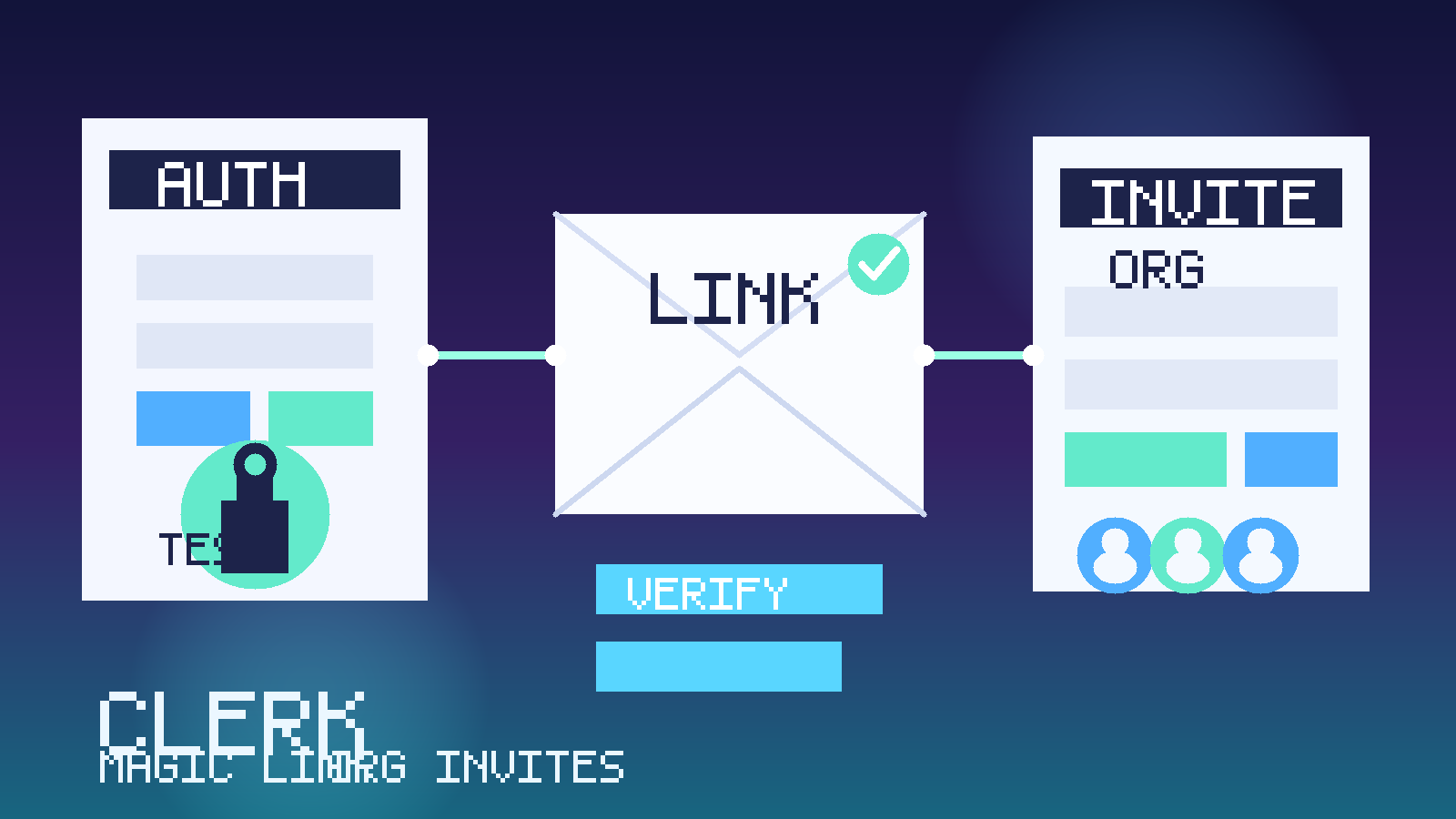
Clerk is exactly the kind of developer product that invites quick experimentation. You may want to test sign-up and sign-in flows, try email verification, check password resets, review magic-link behavior, inspect organization invites, or compare Clerk with another auth stack before deciding whether it belongs in a real app. That early stage is useful, but it does not always justify tying every experiment to the inbox you use for work, clients, or your personal accounts.
That is where a temporary inbox becomes practical. You still receive the confirmation link, verification email, and first-run setup messages you need, but you do not automatically turn every prototype into a long-term email relationship. If you already use a tool like Anonibox to separate low-stakes signups from your main inbox, Clerk is a natural place to apply the same habit.
When a temp email for Clerk makes sense
A temporary inbox works best when the Clerk setup is clearly exploratory. Common examples include:
- testing email verification or passwordless sign-in for a disposable prototype,
- checking how Clerk handles organization invites before rolling it into a real team workflow,
- comparing auth providers across demo apps or hackathon projects,
- reviewing dashboard usability and developer ergonomics before choosing a long-term stack,
- keeping a one-off app test separate from the mailbox tied to your daily work.
In those situations, the goal is evaluation, not permanent ownership. A temp inbox makes sense because it matches that temporary intent.
When a temp email is the wrong choice
Clerk can move from throwaway test to important dependency surprisingly fast. A quick auth demo can become the login system for a client build, an internal tool, or a product other people rely on. The moment that happens, a disposable inbox stops being convenient and starts becoming risky.
A temp email is the wrong fit if the account is tied to:
- production authentication flows or live user accounts,
- billing, paid plan changes, or invoices,
- real teammates who need durable organization ownership,
- security alerts, recovery emails, or administrative changes you cannot afford to miss,
- client work, compliance-sensitive environments, or long-term maintenance responsibility.
If losing access to the inbox would create recovery headaches, ownership confusion, or security risk, start with a stable address instead.
A practical workflow for using a temp email with Clerk
1. Decide whether the project is truly disposable
Before signup, be honest about the likely lifespan of the project. If this is just a sandbox, a throwaway auth proof of concept, or a short comparison test, a temporary inbox is reasonable. If there is a real chance the app will survive beyond the first experiment, a permanent address is usually the better starting point.
2. Generate the inbox before you create the account
Create the temporary address first so every confirmation email lands in one place. That usually includes the initial verification message, welcome email, sign-in prompt, or any invite-related notices Clerk sends during setup.
3. Use it to test the flow, not to anchor long-term ownership
The best use of a temp inbox is to help you answer product questions. Can you verify a new account cleanly? Does the magic-link flow work the way you expect? Is the sign-in experience easy to understand? Those are great reasons to use a temporary address. But the same inbox should not become the permanent admin identity for a real application.
4. Save the details you may need later
Temporary inboxes are useful for access, not memory. If the setup produces project links, invite context, configuration notes, or other details that matter later, save them to your own documentation immediately. A disposable inbox should be treated like a relay point, not permanent recordkeeping.
5. Promote the account to a real email early if the project sticks
If the app survives the first test, if other people need access, or if the Clerk setup starts to feel like real infrastructure, switch to a stable email before billing, security, and team workflows depend on the temporary address.
What to evaluate inside Clerk, not just during signup
It is easy to focus on whether the verification email arrived and miss the more important question: does Clerk actually fit the way you build and manage apps?
Sign-up and sign-in flow quality
Check whether the core onboarding flow feels smooth for the kind of product you are building. Are the defaults understandable? Can you see how a real user would move through sign-up, sign-in, email verification, password reset, and account recovery? A temp inbox is especially useful here because you can test the entire sequence without mixing those messages into your main mailbox.
Email verification and magic-link behavior
Clerk is often evaluated specifically for authentication UX, so email behavior matters. Test how quickly verification arrives, whether the flow is clear, and whether the messages feel easy to follow. If you care about passwordless sign-in, test magic links directly rather than assuming the setup is fine because the dashboard looks polished.
Organization invites and role-based access
This is one of the most relevant Clerk-specific use cases for temporary email. If you are testing organizations, shared workspaces, or invitations, use the temp inbox to see what the recipient experience actually looks like. Is the invite clear? Is acceptance simple? Can you understand how ownership, membership, and role boundaries would work in a real team environment?
Developer ergonomics and dashboard clarity
Good auth tools do more than send a verification email. They need to be easy to configure, understand, and maintain. Notice how clear the dashboard feels, how quickly you can find relevant settings, and whether the overall setup matches your stack. A clean signup is nice, but long-term usability matters more.
Separation between experiments and production
One hidden value of using a temp inbox is that it forces you to think about lifecycle. Are you opening a staging-only account? A demo tenant? A real production identity? That mental distinction matters. If Clerk feels like it will stay, the account should be promoted to a durable identity quickly.
Benefits of using a temp email for Clerk
- Less inbox clutter: sign-up tests, verification loops, and trial invites do not need to become permanent noise in your main mailbox.
- Cleaner auth testing: you can run email verification, reset-flow, and invite tests in a controlled inbox instead of mixing them with daily work.
- Better privacy discipline: not every demo app or one-off auth experiment needs immediate access to your primary email identity.
- Faster first-pass evaluation: you can activate the account, test the flow, and decide whether Clerk deserves deeper commitment.
These are workflow benefits, not magic guarantees. The point is simply that a temporary inbox gives you cleaner separation during the evaluation phase.
Trade-offs to be honest about
Temporary email is useful, but it comes with real limitations.
- Recovery gets weaker: if the inbox expires or becomes inaccessible, long-term control of the account may be difficult.
- Security signals can be missed: password resets, suspicious-login notices, and account changes should eventually go somewhere you monitor reliably.
- Team workflows can get messy: organization invites and ownership boundaries work better when the owner identity is stable.
- Billing and admin tasks do not belong in a disposable inbox: once money or responsibility is involved, temporary email is the wrong tool.
That is why the best rule is simple: use a temp inbox for disposable testing, not durable ownership.
Common mistakes people make
Using a temp inbox for an app that is obviously becoming real
This is the biggest problem. A developer starts with a test login flow, then adds teammates, staging users, and live configuration, and suddenly the account matters. At that point the original “just testing” assumption no longer matches reality.
Forgetting to save useful setup details
If you need an invite link, project note, or configuration detail later and the inbox is gone, you created unnecessary friction for yourself.
Testing only the welcome email
The real value of Clerk is not that the first email arrives. It is whether authentication, verification, invites, and organization management feel strong enough for your app. The temp inbox should support that evaluation, not replace it.
Leaving the disposable address attached too long
Temporary email works best when it remains temporary. The moment the account matters, move it to an address you actually plan to keep.
Temp inbox vs alias vs secondary permanent inbox
If you frequently test auth providers, a fully disposable inbox may not always be the best middle ground. Sometimes a secondary permanent inbox or alias gives you the separation you want without sacrificing recovery and continuity.
A practical rule of thumb looks like this:
- Temp inbox: quick auth-flow tests, throwaway demos, one-off organization invites, short-lived prototypes.
- Alias or secondary permanent inbox: recurring experiments, staging environments, repeat provider evaluations, side projects that may return later.
- Main work or team inbox: production authentication, billing, security ownership, client work, and any setup tied to long-term responsibility.
Using the right tier helps you stay organized without pretending every experiment deserves the same treatment.
When to switch to a real email immediately
Move off the temporary inbox as soon as any of the following becomes true:
- the app is moving beyond a disposable prototype,
- other people need organization access,
- you are enabling paid features or attaching business-critical workflows,
- you need dependable recovery, security alerts, or admin continuity,
- you would be frustrated if you lost access to the account next month.
That switch is not a failure. It usually means the experiment was useful enough to deserve proper ownership.
Conclusion
A temp email for Clerk is a smart choice when you want to test sign-up flows, email verification, passwordless links, or organization invites without turning every auth experiment into a permanent inbox commitment.
Just keep the scope honest. Use the temporary inbox for disposable evaluation, save the details that matter, and switch to a permanent address as soon as the app, the team, or the account starts becoming real. That balance gives you the privacy and inbox control you want without creating avoidable ownership problems later.