Yes — using a temp email for HomeGuide makes sense when you are comparing contractors, requesting early quotes, or testing whether a project is worth pursuing without attaching your main inbox to every inquiry.
No — it is not the best choice once you are actively hiring a pro, sharing documents, or relying on long-term follow-up, because a disposable inbox can become a weak link when communication needs to stay consistent.
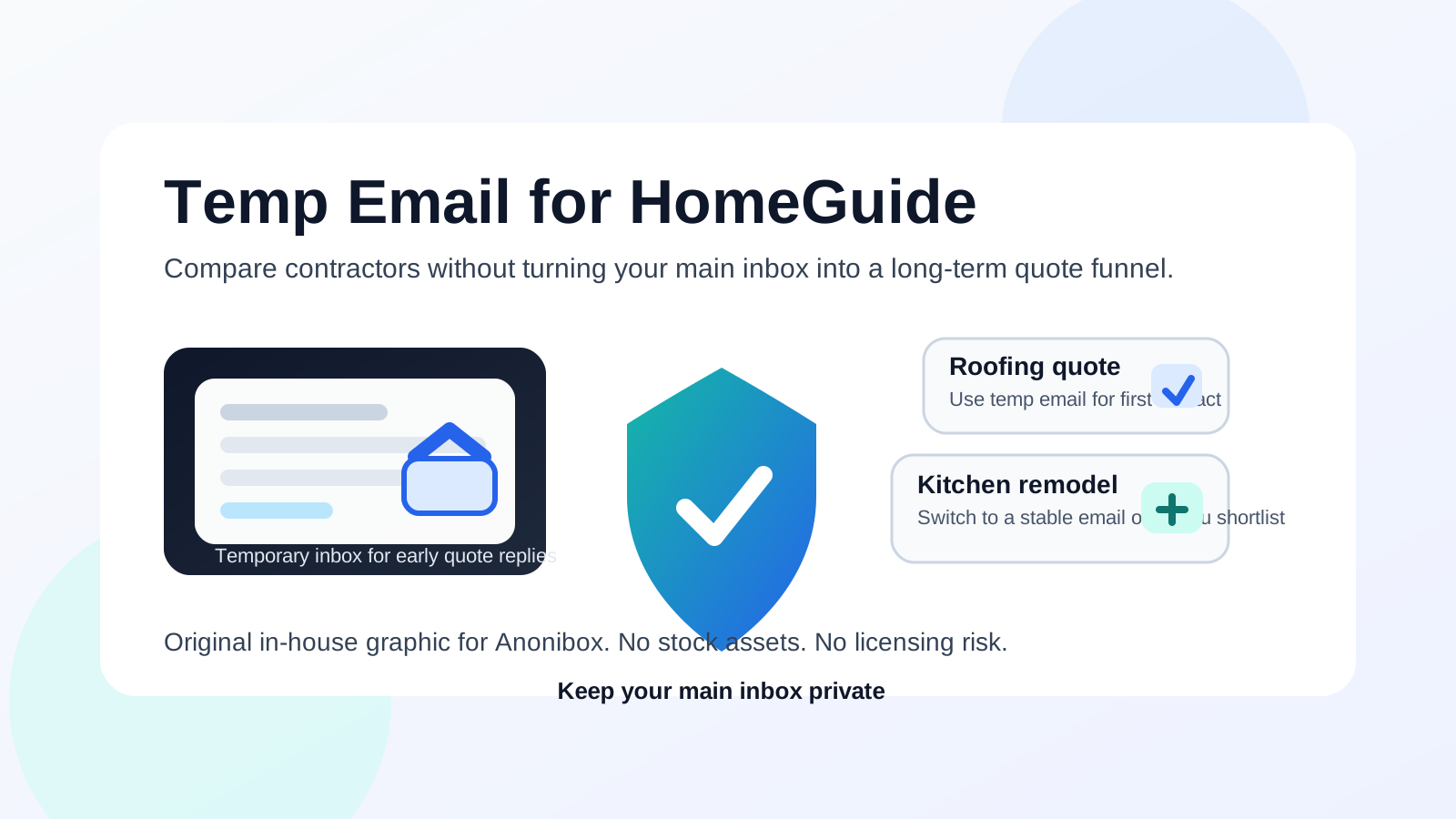
Home improvement marketplaces are useful because they make it easy to request quotes from several professionals without searching one by one. The downside is just as obvious: one project inquiry can turn into a flood of estimate emails, follow-up messages, reminders, and “just checking in” nudges from multiple directions. If you are using HomeGuide for research rather than immediate contractor selection, that can clutter your everyday inbox fast.
That is why many people look for a temporary inbox before they start. A service like Anonibox can help you create a separate address for early-stage quote requests, which keeps your personal email cleaner while you figure out who is worth talking to in more detail.
When a temp email for HomeGuide is a smart move
A temporary address is most useful during the discovery phase. At that point, your goal is usually to compare responses, understand price ranges, and see which professionals sound credible and responsive before you commit to a real conversation.
- You are price-checking a project: maybe you want rough numbers for painting, roofing, electrical work, landscaping, or a remodel before deciding whether to move forward.
- You are contacting multiple pros at once: separate inboxes make it easier to contain the follow-up.
- You are still deciding if the project is urgent: sometimes you want information first, not a long sales relationship.
- You want to protect your main inbox: once a personal email gets attached to several quote forms, it can keep attracting messages long after the project ends.
- You are comparing platforms: if you are testing more than one marketplace, a temporary inbox helps you isolate the incoming messages from each one.
In other words, a temp address works best when you are still sorting, filtering, and deciding.
When you should switch to a real email instead
A disposable inbox is not ideal for the whole project lifecycle. Once you reach the point where you are picking a contractor, scheduling real work, or sharing details that matter over time, reliability matters more than inbox separation.
- You picked a shortlist and want consistent follow-up.
- You need to receive contracts, invoices, permits, or warranty information.
- You are coordinating dates, addresses, measurements, or change requests.
- You expect the conversation to continue for days or weeks.
- You want one stable point of contact for the contractor you actually hire.
The practical rule is simple: use the temp email for first contact and early comparison, then move to a permanent address once the relationship becomes real.
Why people specifically use temp email on quote marketplaces
Quote marketplaces create a very specific communication pattern. One request can lead to multiple replies, and each reply can generate more reminders. Even when every message is legitimate, the volume alone can get annoying.
Using a temp email for HomeGuide can help with a few common problems:
- Inbox overload: your main email stays focused on work, bills, travel, and personal conversations instead of quote traffic.
- Cleaner comparison: you can review contractor replies in one contained place.
- Less long-tail follow-up: if you decide not to move forward, you are not leaving your everyday inbox behind in multiple sales funnels.
- Better project separation: a dedicated inbox for one repair or remodel is easier to manage than mixing everything together.
This is especially useful for projects where you are still at the “What would this roughly cost?” stage rather than the “Please book the job next Tuesday” stage.
How to use a temp email for HomeGuide without making your life harder
1. Create the temporary inbox before you start requesting quotes
Do not wait until halfway through the process. If you use your personal inbox for the first few requests and only switch later, you lose most of the organizational benefit. Start with the separate inbox from the beginning.
2. Keep the project scope simple in early messages
Temporary email works best for initial screening. Ask about availability, service area, ballpark pricing, and whether the contractor handles your type of project. Save the deeper back-and-forth for the professionals you actually want to continue with.
3. Save important messages quickly
Some temp inboxes are intentionally short-lived. If a reply contains useful pricing, a company name you want to research, or a next step you do not want to lose, save it right away.
4. Move off the temp inbox once you have a real contender
The point is not to stay anonymous forever. The point is to avoid unnecessary exposure before you know which pro deserves direct access to you.
5. Separate email privacy from identity verification
A temp inbox can help with message management, but it does not replace normal caution. You still need to verify who you are talking to, read reviews carefully, and avoid sending unnecessary personal details too early.
A practical example
Imagine you are exploring a bathroom remodel. You are not ready to sign anything yet. You just want a sense of price ranges, timeline differences, and whether local contractors even want the job.
Using a temp email for HomeGuide in that situation is sensible. You can receive initial responses, compare who answers clearly, and decide whether the project deserves a real budget. If two contractors seem promising, that is the moment to switch those conversations to a stable email address and continue with proper scheduling and documentation.
That workflow gives you the benefit of privacy and the benefit of serious follow-through when it actually matters.
What a temp email does not protect you from
It is helpful, but it is not magic. A temporary address can reduce exposure for your main inbox, but it does not remove every risk involved in online quote requests.
- It does not guarantee contractor quality.
- It does not verify licenses, insurance, or reputation for you.
- It does not make a bad project description clearer.
- It does not solve issues that come from sharing too much information elsewhere in the process.
If you start exchanging home addresses, phone numbers, photos, budgets, or documents, you still need to be thoughtful about who receives them and why.
Good privacy habits while requesting quotes
If privacy is the reason you want a temp inbox, pair it with a few other sensible habits:
- Share only what is needed for the first reply. You usually do not need to overshare in the first message.
- Use a project-specific subject line or notes file. That makes later comparison easier.
- Research the contractor before deepening the conversation. Look for business websites, reviews, and a real service footprint.
- Keep phone contact separate if needed. If you are privacy-conscious, your email strategy and phone strategy should match.
- Decide on a handoff point. Know when you will graduate from temporary contact details to permanent ones.
Is a temp email for HomeGuide better than using your main inbox?
For early research, yes — usually. It gives you cleaner boundaries, less clutter, and more control over where quote traffic lands. For active hiring, no — your main inbox or another stable address is usually better because continuity matters once the project becomes real.
The best answer is not “always use a temp email” or “never use one.” The best answer is to match your contact method to the stage of the project.
Final takeaway
A temp email for HomeGuide is a practical tool for the early quote-comparison stage. It helps you explore contractors, gather responses, and protect your primary inbox from long-tail follow-up before you know who you actually want to work with.
Once the conversation turns serious, switch to a reliable long-term email so scheduling, documentation, and project details do not get lost. That balanced approach gives you privacy upfront without making later communication harder than it needs to be.