Yes, a temp email for MongoDB Atlas can make sense for free-tier evaluation, one-off cluster tests, and short-lived prototypes, as long as you switch to a permanent address before any real data, billing, or team ownership depends on the account.
Use it to verify the signup, inspect the dashboard, and test the workflow without pushing every database experiment into your main inbox for months afterward.
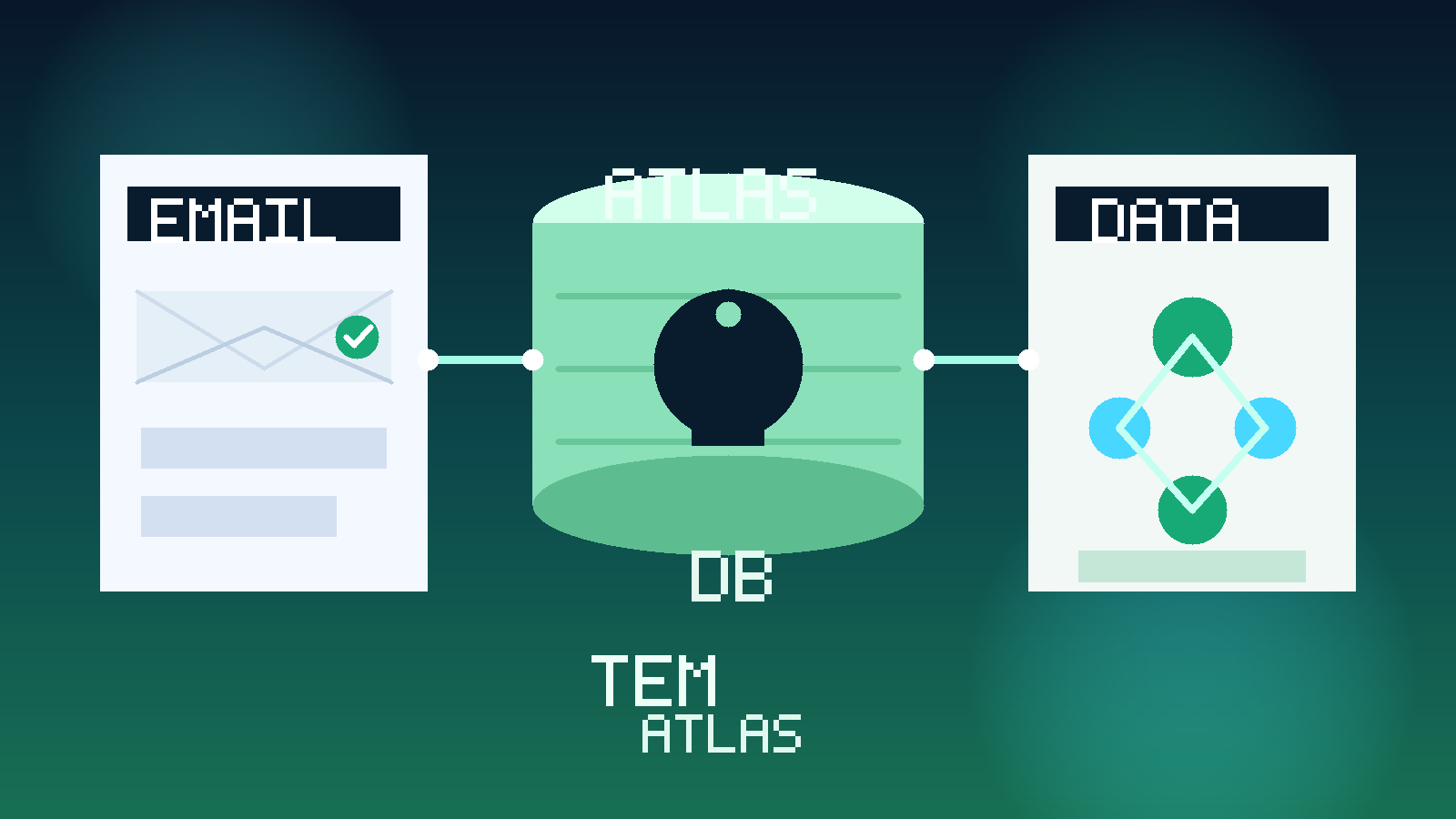
Why people look for a temp email for MongoDB Atlas
MongoDB Atlas is exactly the kind of platform people often try before they know whether it will stay in their stack. You might want to compare managed database services, spin up a quick development cluster, test connection flow for a demo app, review backup and monitoring options, or validate whether Atlas feels easier than your current database setup.
That first phase is useful, but it does not always justify linking the experiment to your primary work or personal inbox right away. Signup can lead to verification mail, onboarding tips, project-invite messages, product updates, and follow-up prompts even if the test only lasts an afternoon. If you run lots of short technical evaluations, those messages pile up fast.
A temporary inbox gives you a cleaner starting point. You still receive the email you need to activate the account and confirm the workflow, but you avoid treating every quick database experiment like a permanent relationship from day one. If you already use Anonibox or a similar temporary inbox service for low-stakes trials, MongoDB Atlas is a very natural place to use that habit.
When using a temp email for MongoDB Atlas makes sense
A temporary inbox works best when the account is clearly exploratory. Good examples include:
- comparing Atlas with other managed database platforms before choosing a direction,
- opening a free-tier cluster for a throwaway prototype or test environment,
- checking how project creation, user invites, and verification flow behave,
- testing connection strings, app integration, or developer onboarding for a short proof of concept,
- keeping a one-off evaluation separate from your long-term engineering inbox.
In those cases, the temporary inbox is mostly an organizational tool. It helps you separate quick experiments from production tools, client communication, and the inbox you actually monitor every day.
When a temp email for MongoDB Atlas is the wrong choice
A temp inbox becomes a bad idea the moment the account starts to matter. Managed database platforms are not just throwaway signups forever. A casual test cluster can turn into a real application surprisingly fast, and that changes the email decision.
You should not rely on a temporary address if the Atlas account is tied to:
- production data or live customer traffic,
- billing, paid plans, invoices, or usage alerts,
- shared ownership across a team,
- important security notices, password resets, or admin recovery,
- long-term project access that you may need months later,
- client work or internal systems other people depend on.
If losing the inbox would create real operational pain, the account deserves a permanent address from the start. Temporary email is for evaluation. Durable ownership needs durable identity.
A practical workflow for using a temp email with MongoDB Atlas
1. Decide whether the project is genuinely disposable
Before signup, ask the simple question people often skip: is this really a test, or am I already half-expecting it to become a real environment? If you know the project may survive into shared development, paid usage, or anything production-like, start with a stable address now and save yourself the later handoff.
2. Create the inbox before signup
Generate the temporary inbox first so every verification and welcome message lands in one place. That keeps the whole trial isolated and makes it easier to compare Atlas with other tools if you are evaluating multiple services in the same week.
3. Use it for verification and early onboarding only
The best use of temporary email is narrow and disciplined. Use it to confirm the account, receive first-run messages, and inspect the setup experience. Do not let a disposable inbox quietly become the permanent owner of something important just because the test went well.
4. Save the messages that matter
If the signup or project setup sends anything you may need later, save it immediately. That can include verification links, invite messages, setup notes, or anything related to account access. Temporary inboxes are helpful, but they are not where important records should live long term.
5. Promote the account early if the test becomes real
The right time to switch is earlier than most people think. Once the project is useful enough that you care about keeping it, migrate the owner identity to an address you control long term. Do it before collaborators, billing, or meaningful data make the account harder to clean up.
What you should evaluate inside Atlas, not just during signup
It is easy to spend too much attention on whether the temp inbox worked and not enough attention on whether MongoDB Atlas fits the actual job. The inbox is just the entry point. The real evaluation should focus on product fit.
Cluster setup and first-run clarity
How fast can you create a cluster? Are the early decisions understandable? Does the dashboard make region, tier, access, and network choices clear, or does it feel like a maze built for people who already know the product?
Connection workflow
Testing Atlas usually means more than making an account. You want to see whether connection strings, database users, IP access rules, and app integration feel smooth. A convenient signup means very little if the first real connection workflow feels fragile or confusing.
Developer experience
If you are comparing Atlas with other backend tools, judge how easy it is to move from signup to actual progress. Can you create a usable environment quickly? Are the docs and dashboard aligned? Does the platform feel friendly for a test app, or do small tasks become larger than they need to be?
Project invites and collaboration
This is one of the first places where temporary email can stop being helpful. Collaboration depends on persistent identity. If you expect more than solo testing, pay attention to how invites, project permissions, and ownership are handled. A real team setup should not depend on a mailbox nobody intends to keep.
Monitoring, backups, and operational signals
Even during a trial, it is worth checking whether the platform communicates useful operational information clearly. Alerts, monitoring views, backups, and maintenance notices matter much more once the account becomes real. That is another reason to move to a permanent inbox early if the test succeeds.
Benefits of using a temp email for MongoDB Atlas
- Less inbox clutter: one-off cluster experiments do not need to become a long-term thread in your main mailbox.
- Cleaner separation: test databases stay apart from production, client, or personal email traffic.
- Better evaluation discipline: you can compare multiple platforms without giving each one immediate permanent access to your primary address.
- Faster early experimentation: verify the account, inspect the dashboard, and decide whether Atlas deserves deeper attention.
Those are workflow benefits, not miracle privacy guarantees. The real value is that you control when an early experiment graduates into a long-term email relationship.
Risks and trade-offs to be honest about
Temporary email is useful precisely because it is disposable, and that is also the weakness.
- Recovery becomes fragile: if you need a reset email later, the inbox may be gone or no longer practical to use.
- Ownership can get messy: the project may matter more than you expected before you switch it to a real address.
- Security notifications may be missed: warnings, confirmations, and account-change messages belong in an inbox you actively monitor.
- Team workflows suffer: a shared database platform works better when the owner identity is stable.
That is why the safest rule is simple: use temporary email as a filter for early noise, not as the foundation for long-term platform ownership.
Common mistakes people make
Keeping the temp inbox attached after the project becomes useful
This is the classic mistake. The cluster starts as a test, then someone adds real data, a teammate gets invited, or the project becomes the base for a demo that actually matters. At that point, the disposable inbox has become the weakest part of the setup.
Forgetting to save key setup information
If the only copy of an invite, confirmation link, or initial setup note lives in a temporary inbox, you created future friction for no real benefit. Save what matters immediately.
Judging the platform by signup instead of by workflow
The goal is not to find the easiest verification email in the world. The goal is to decide whether MongoDB Atlas fits your actual database needs. The inbox should support the evaluation, not become the evaluation.
Using one temp inbox for everything
If you are comparing multiple tools, avoid dumping them all into the same temporary address. Separate inboxes or at least careful notes make comparisons much cleaner and reduce confusion later.
Temp inbox vs alias vs secondary permanent inbox
Not every situation requires the most disposable option. If you test developer tools frequently and some of those tests later become real projects, an alias or secondary permanent inbox may be the better middle ground.
- Temp inbox: best for short-lived Atlas trials, disposable prototypes, and quick one-time evaluations.
- Alias or secondary permanent inbox: best for recurring experiments you may revisit later.
- Main work or team inbox: best for paid, shared, or production Atlas environments.
Choosing the right tier helps you keep control without pretending every test deserves the same level of permanence.
When to switch to a real email immediately
Move the account to a permanent address as soon as any of the following becomes true:
- you plan to keep the cluster active beyond the initial test,
- you start inviting teammates or sharing real project ownership,
- you connect billing, alerts, or account administration to the project,
- the database holds anything meaningful enough that losing access would hurt,
- you want dependable recovery and security communication.
That switch is not a sign that the temp inbox was a mistake. It usually means the evaluation worked and the project now deserves proper ownership.
Final answer
A temp email for MongoDB Atlas is a smart option for early cluster signups, short proof-of-concept work, and one-off dashboard evaluation because it keeps your primary inbox cleaner while you test the platform.
Just do not leave a meaningful account attached to a disposable mailbox longer than necessary. Use temporary email to reduce noise at the start, then move promising Atlas projects to a stable address before ownership, security, billing, or collaboration start to matter.