Yes, but only as a secondary channel. Text messages can be fine for quick coordination around a job offer, but the real offer should move to verified email or an official employer system before you trust it.
If a recruiter or hiring manager texts you about an offer, treat the text as a signal to verify, not as the complete source of truth. That approach protects your privacy, helps you avoid scams, and keeps the details of compensation, deadlines, documents, and next steps in a place you can actually review later.
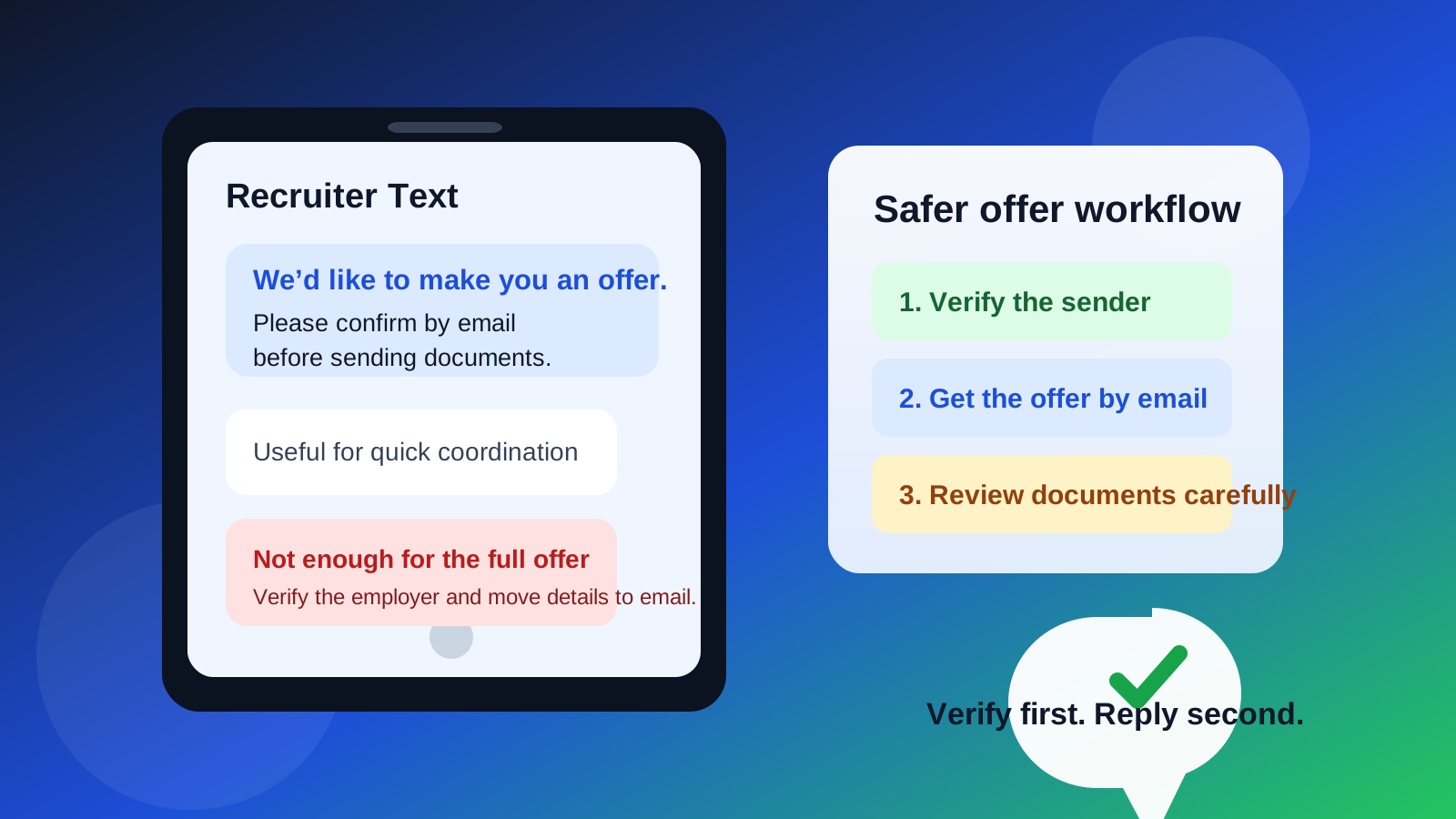
Why employers text about job offers in the first place
Texting is fast. If a company wants to tell you that you made the shortlist, confirm that an offer is coming, or make sure you saw an important email, a text message can be practical. It is especially common when:
- the employer already interviewed you and wants a quick response,
- the recruiter is trying to confirm availability before sending paperwork,
- the role moves quickly, such as staffing, sales, healthcare, retail, or contract work,
- you already used text as a normal communication channel earlier in the process.
So the answer to should you use text messages for job offers is not a flat no. The better answer is that text works well for short coordination, but it is weak for trust, recordkeeping, and document handling.
Where text messages are useful
There are a few situations where texting makes sense during the offer stage.
Quick updates
A message like “Good news — we’re preparing your offer letter and sending it to your email today” is normal and low risk. It gives you a heads-up without asking you to make a major decision inside the text thread.
Timing and scheduling
Texts are also useful for confirming a call, checking whether you are free to discuss the offer, or reminding you to review a message already sent through an official channel.
Simple acknowledgments
If you reply with something like “Thanks, I received it and will review it this afternoon,” that is usually fine. The text stays short, practical, and low stakes.
Where text messages become a problem
The problem starts when the text thread becomes the main place for the actual offer. A job offer often includes salary, bonus terms, title, start date, location expectations, contingencies, deadlines, and attached documents. Texting is a poor home for those details.
It is easier to fake than email from a real company domain
Scammers love text because it feels immediate. A fake recruiter can send a casual message, create urgency, and push you to act before you slow down and verify anything. A text alone does not prove that the sender works for the employer they claim to represent.
Important details get buried
Offer-stage communication is one place where you want clarity. Texts are easy to skim, easy to lose, and easy to misunderstand. If compensation numbers, deadlines, or benefit details are discussed in fragments, confusion becomes more likely.
Your phone number is personal information
Once your number is in circulation, you may continue getting recruiter follow-ups, marketing-like outreach from staffing firms, or outright scam texts long after the real opportunity ends. That does not mean you should never share a number, but it does mean you should treat it as part of your privacy strategy.
Documents should not live in a text thread
Offer letters, tax paperwork, identity documents, and onboarding forms belong in more stable channels. Even if a legitimate employer starts with a text, you should expect the formal material to arrive by verified email or through a secure employer portal.
The biggest risks to watch for
1. Fake urgency
A message that says “Reply in 15 minutes or we will move to another candidate” is not automatically a scam, but pressure is a classic tactic. Real employers may have deadlines, yet reputable teams can usually explain them clearly and back them up in writing through official channels.
2. Requests to move money
If a text about a job offer turns into requests for payment, gift cards, equipment purchases, training fees, or shipping deposits, stop immediately. That is a major red flag.
3. Requests for sensitive information too early
You may eventually need to provide documents during onboarding, but not just because a random number texted you with good news. Verify the employer first, then use the employer’s established process.
4. Link-clicking without verification
Text links are easy to spoof and hard to inspect on a phone. If the sender says an offer is waiting for you, do not rely on the texted link alone. Open the employer’s site yourself, use the official email you already know, or call a verified number from the company website.
Signs a job-offer text is probably legitimate
No single sign proves legitimacy, but these signals make a text look more normal:
- You already interviewed with the company and recognize the recruiter’s name.
- The text matches the timing of the process you are already in.
- The sender refers you to a real company email address or portal instead of asking for decisions entirely over text.
- The details in the text match earlier conversations.
- The employer is willing to continue through verifiable channels without resistance.
Signs you should slow down
- You do not remember applying or interviewing.
- The number is the only identity the sender provides.
- The text immediately asks for personal documents or financial details.
- The sender wants you to leave normal channels and continue only on WhatsApp, Telegram, or another app.
- The compensation sounds unrealistically high for vague work.
- The company name, website, or recruiter identity does not check out independently.
Best practice: use text for the alert, email for the offer
If you want a simple rule, use this one: text for the heads-up, email for the actual offer.
That workflow gives you the speed of texting without putting the critical parts of the hiring process into an unstructured, high-risk channel.
A practical workflow that works well
- Receive the text. Read it, but do not make assumptions yet.
- Verify the sender. Match the person, company, and role against your previous emails, interview calendar, or the employer’s official site.
- Ask for the formal offer by email. If it has not arrived yet, request that they send it to a verified company domain or official portal.
- Review the real documents slowly. Compensation, start date, reporting structure, contingencies, benefits, and deadlines should be clear.
- Reply thoughtfully. A brief text acknowledgment is fine, but your real acceptance or negotiation should be tied to formal written records.
What to send back by text
You do not need to ignore a legitimate text. A short professional reply works well:
- “Thanks for the update. Please send the formal offer to my email and I’ll review it today.”
- “I appreciate the message. I’m available to discuss the offer by phone this afternoon.”
- “Received, thank you. I’ll confirm once I’ve reviewed the written details.”
Those replies keep the tone cooperative while still protecting you.
How privacy fits into the decision
Many job seekers focus on email privacy but forget that phone numbers matter too. If you are applying widely, especially through job boards or agencies, your number can spread farther than you expect. That is one reason some people use a dedicated job-search number or a separate communication setup during active searches.
If you already use a separate inbox strategy with Anonibox for early-stage signups, newsletters, or lower-trust forms, apply the same thinking to your phone. You do not need to hide from legitimate employers. You just want enough separation that spam, scam attempts, and long-tail follow-ups do not take over your main personal channels.
Should you ever accept an offer by text alone?
Usually, no. Even if you are happy about the offer and already trust the employer, accepting by text alone is not ideal. A written email trail or employer document system makes it easier to confirm what you agreed to. That matters if there is later confusion about pay, title, location, remote expectations, or start date.
A text can accompany the process, but it should not replace the process.
A quick checklist before you trust a job-offer text
- Do I recognize the company and the stage of the hiring process?
- Can I verify the sender through earlier emails or the company website?
- Has the formal offer been sent by verified email or an official portal?
- Am I being rushed to share documents, codes, or money?
- Would I still trust this message if I slowed down for ten minutes and checked it properly?
Final answer
So, should you use text messages for job offers? Yes, as a convenience layer — not as the whole offer workflow. Text is useful for quick updates, scheduling, and simple acknowledgments. It is not the best place for the formal details that decide whether the offer is real, fair, and worth accepting.
The safest approach is simple: verify the sender, move the real offer to official written channels, and keep your phone number strategy as intentional as your email strategy. That way you stay responsive without giving up control of your privacy or your judgment.