Yes — using a separate email for graduate school applications is usually a smart move. It keeps admissions deadlines, recommender messages, portal links, and funding updates in one place without the risk of a disposable inbox expiring when you still need it.
For most applicants, a dedicated long-term inbox is the best balance between privacy and reliability. It protects your main email from years of outreach and newsletter clutter, but it is stable enough for interview scheduling, verification messages, waitlist updates, and eventual enrollment paperwork.
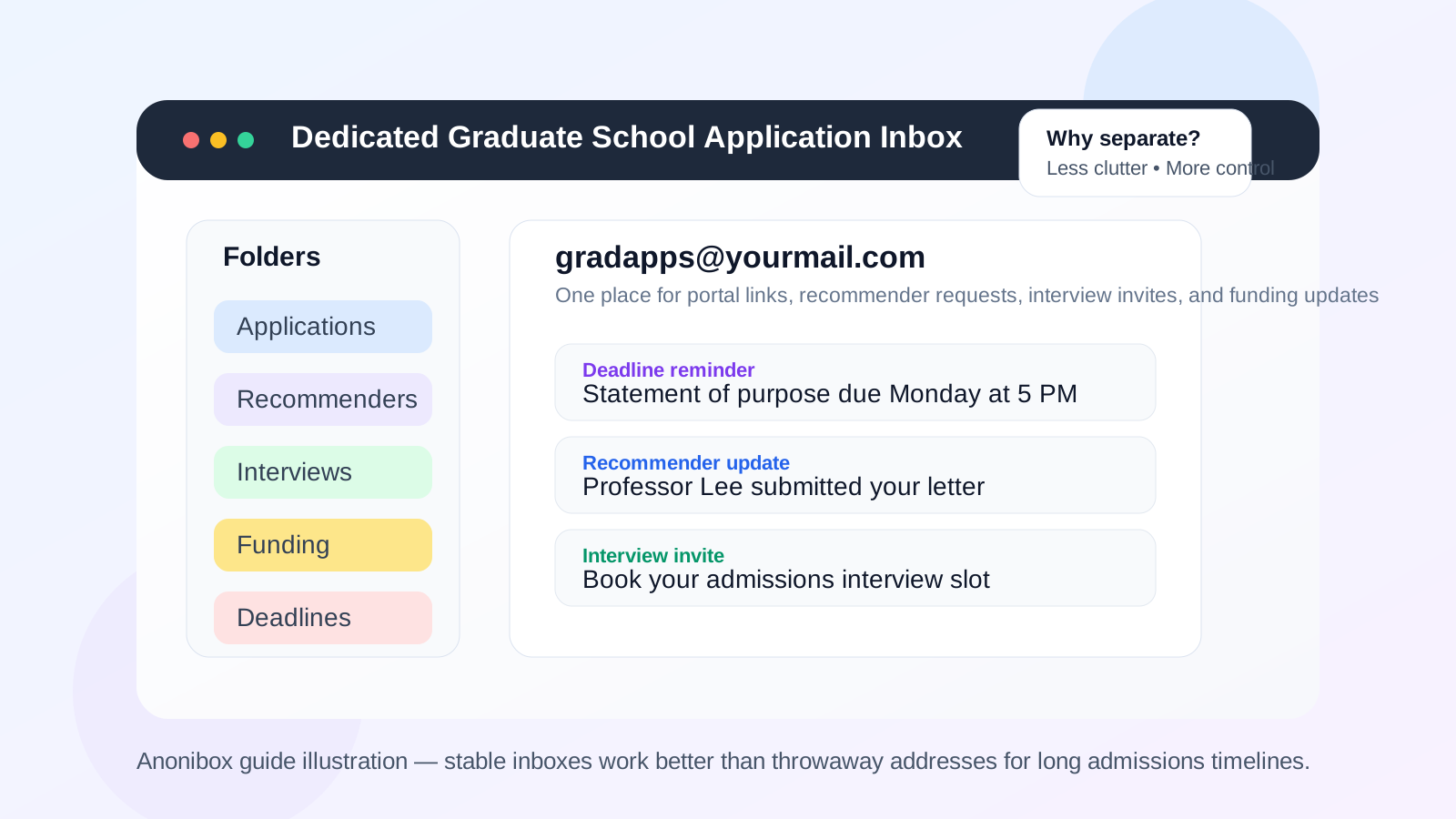
Why graduate school applications deserve their own inbox
Graduate school admissions are rarely a one-week process. You may spend months researching programs, contacting departments, asking faculty questions, requesting transcripts, chasing recommendation letters, logging into multiple portals, and comparing funding packages. That is a lot of email, and it does not arrive on a clean schedule.
A separate email gives you one place to manage that stream. Instead of mixing admissions messages with work email, shopping receipts, travel confirmations, and every newsletter you forgot to unsubscribe from, you can keep the application process visible and organized. That matters because the cost of missing one message can be high. A single overlooked portal notice might mean a missing document, a missed interview window, or a delayed decision.
Short answer: separate email is usually better than your main inbox
If your question is simply whether you should use a separate email for graduate school applications, the practical answer is yes. Most people benefit from creating a dedicated account just for admissions and related academic communication.
That said, “separate” does not mean “temporary.” Graduate admissions timelines can stretch from first inquiry to final enrollment across many months. You need an address you can monitor consistently, recover easily, and keep active through interviews, offers, waitlists, housing, assistantship discussions, and orientation. A stable secondary inbox is helpful. A throwaway inbox is often not.
What a separate application email helps you do
1. Keep deadlines from getting buried
Graduate applications usually involve more than one deadline. You might have application submission dates, portfolio uploads, test-score reporting windows, financial aid forms, fellowship nominations, campus visit invites, and recommender reminders. When all of that lands in your everyday inbox, it competes with everything else in your life. A dedicated inbox reduces that noise.
2. Track each school more clearly
Many applicants are juggling several programs at once. With a separate address, it is easier to create labels or folders for each university and keep messages grouped by school, department, or stage of the process. That makes it much easier to answer simple but important questions like:
- Which schools still need letters of recommendation?
- Which portal sent a status update?
- Which interview invite needs a reply today?
- Which funding email contained the real details?
3. Protect your primary inbox from long-term clutter
Even after the application cycle ends, schools often keep sending updates about webinars, future intakes, program news, alumni stories, rankings, and marketing campaigns. If you apply broadly, that can turn into a lot of email. A separate inbox means your personal day-to-day account does not become the permanent home for admissions outreach.
4. Create a more deliberate privacy boundary
Your main personal email often connects to banking, shopping, health portals, subscriptions, and countless other services. Sharing it across every inquiry form, admissions portal, and event registration adds exposure you may not want. A separate admissions inbox limits that spread without making you unreachable.
Why a temporary or burner email is usually a bad fit for actual grad applications
This is where people sometimes mix up two different ideas. A separate email can be a great idea. A disposable or short-lived inbox is usually not.
Graduate applications are not like a one-time coupon signup. Schools may email you weeks or months later about missing materials, interview scheduling, waitlist movement, scholarship consideration, or enrollment next steps. If the address disappears, fills up, or becomes hard to access, you create a problem for yourself.
A tool like Anonibox can make sense for early low-stakes privacy moments — for example, downloading a brochure, joining a generic mailing list, or requesting basic program information when you are still exploring. But when you are submitting real applications, asking recommenders to upload letters, or waiting on decisions, a stable separate inbox is safer than a burner address.
What the best setup looks like
You do not need anything fancy. The best separate email for graduate school applications is usually just a simple, professional secondary inbox that you can keep for at least the full admissions cycle and the months that follow.
A good setup usually includes:
- A professional address format: ideally your real name or a clean variation of it.
- Strong account recovery options: use a secure password and reliable recovery methods.
- Regular monitoring: check it often enough that deadlines and requests do not sit unnoticed.
- Folders or labels: create one for each program, plus one for recommenders, interviews, and funding.
- Calendar reminders: add important admissions dates outside email too, so you are not relying on memory.
Should you use an alias instead of a separate inbox?
An email alias can work if it still lands in a mailbox you manage well and if replies, filtering, and search all remain easy to handle. For some applicants, that is enough. But a fully separate inbox is often cleaner because it creates stronger separation between your everyday life and the admissions process.
If you are applying to many schools or want a real reset from inbox clutter, a separate account usually wins. If you are applying to only one or two programs and already have a very organized mail setup, an alias may be sufficient.
When a separate email is especially useful
- You are applying to several programs at once.
- You expect a long cycle with interviews, faculty contact, or funding discussions.
- You are returning to school after years in the workforce and want a clean academic contact channel.
- You do not want admissions messages mixed into a crowded personal inbox.
- You plan to subscribe to department updates, webinars, and admissions events while comparing options.
Common mistakes to avoid
Using a throwaway inbox for real submissions
This is the big one. A disposable inbox may work for one-off browsing, but it is a poor choice for anything tied to deadlines, decisions, payments, or identity verification.
Choosing an unprofessional address
Your application email does not need to be fancy, but it should look normal and credible. Avoid jokes, nicknames, or anything that looks too casual for academic correspondence.
Checking the inbox too rarely
A separate email only helps if you actually monitor it. During active application periods, daily checks are often reasonable.
Relying on email alone for task tracking
Email is where schools contact you, but it should not be your only reminder system. Important deadlines should also live on your calendar or checklist.
A simple workflow that works well
- Create a professional secondary email before you begin applying.
- Use it for program portals, department contact, recommenders, and admissions events.
- Create labels for each school and a separate label for deadlines or action items.
- Save important portal links, fee receipts, and interview notices immediately.
- Keep the inbox active through final decisions, funding negotiations, and enrollment steps.
This workflow is simple, but it reduces mistakes. More importantly, it gives you a cleaner mental model of the process. Everything related to graduate applications lives in one place.
Final verdict
Using a separate email for graduate school applications is usually a good idea. It gives you better organization, better privacy boundaries, and a lower chance of missing critical admissions messages. For a process that can stretch across months and involve multiple schools, recommenders, and funding decisions, that extra structure is worth it.
The important distinction is this: use a stable separate inbox, not a fragile throwaway one. If you want to reduce spam and protect your main address, a dedicated application email is smart. If you are handling real graduate admissions deadlines, reliability matters more than novelty.
In other words, keep the convenience of separation without sacrificing the long-term access you will need once the applications are no longer hypothetical.