A virtual phone number can be a smart choice for car dealership quotes if you want to screen calls, keep dealership follow-up off your everyday line, and separate shopping from daily life.
It works best during early quote comparison, but you still need a number you will monitor reliably, because missed calls, missed texts, or weak app notifications can cost you real offers.
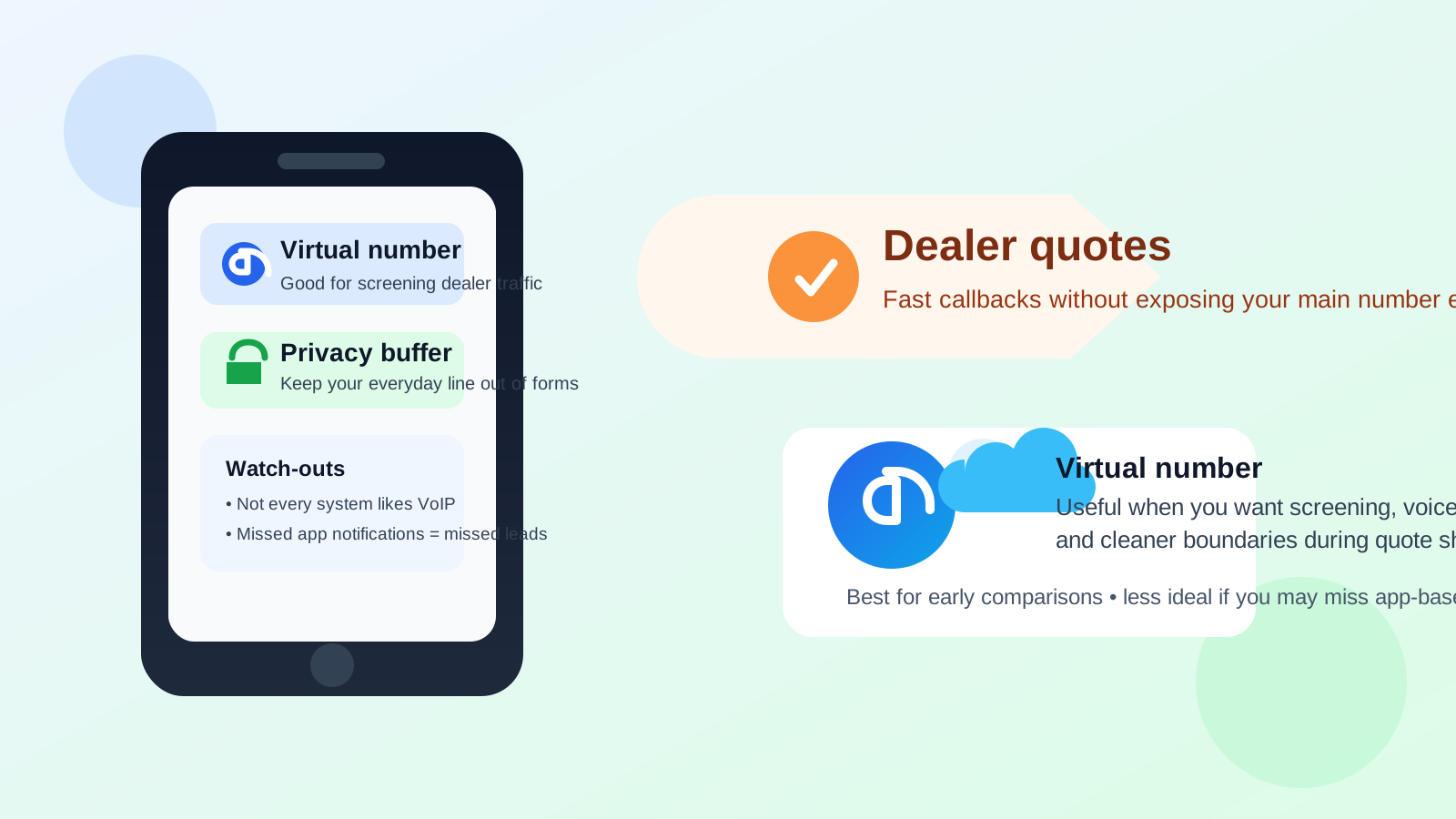
People search for virtual phone number for car dealership quotes because dealership quote forms often look simple but create long follow-up chains. One price request can quickly turn into calls, texts, voicemail drops, trade-in questions, financing nudges, and repeat outreach from multiple stores. A virtual number gives you a buffer between that sales traffic and the number you use for family, work, banking, and account recovery.
That does not mean a virtual number is always the best answer. It is useful, but it comes with tradeoffs. Some virtual numbers are excellent for screening and voicemail. Others are annoying to manage, unreliable for verification codes, or easy to forget once the shopping process gets busy. The right choice depends on whether you are casually comparing quotes, actively negotiating, or close to buying.
What a virtual phone number actually helps with
A virtual phone number is usually a second number that routes through an app, web dashboard, forwarding service, or voice-over-IP platform instead of living only on a standard carrier line. For dealership quotes, that can be helpful because it lets you stay reachable without giving every lead form your main number.
The biggest benefits are practical:
- Call screening: you can see dealership traffic separately from your normal calls.
- Cleaner boundaries: quote shopping does not automatically spill into your everyday number.
- Voicemail control: some services make it easier to label, archive, or review messages later.
- Easy retirement: if the quote process gets noisy, a virtual number is easier to mute or phase out than your long-term personal line.
That is why a virtual number often feels like a better fit than using your real number everywhere from day one. It keeps the dealership process contained while still giving sales teams a channel they are comfortable using.
Why dealership quote requests create so much phone traffic
Dealership sales workflows are built around speed. The moment you request pricing, the goal is usually to pull you toward a call, a visit, or a next-step conversation as quickly as possible. A phone number makes that easier than email alone.
Once your number is in the system, follow-up can include:
- availability checks,
- appointment scheduling,
- trade-in questions,
- manager-approved price messages,
- financing prompts, and
- re-engagement texts days or weeks later.
None of that automatically means something shady is happening. It just means the quote process is designed to move fast, and your number becomes part of that machine. A virtual number helps because it gives you access without surrendering your main line immediately.
Short answer: yes, a virtual number can work well, but only if you treat it as an active channel
If you are comparing quotes from several dealerships, a virtual number is often a smart middle ground. It is more stable than a throwaway burner number, more flexible than handing out your main number, and often easier to manage than building an entirely separate physical phone line.
But a virtual number only helps if you actually monitor it. If the app is buried on your phone, notifications are inconsistent, or voicemail checks become an afterthought, you can lose the exact benefit you wanted: fast access to real quote responses without chaos on your primary number.
When a virtual phone number is usually a good choice
You are requesting quotes from multiple dealerships
This is the strongest use case. If you are filling out several forms, testing prices across multiple stores, or using both dealer sites and listing marketplaces, a virtual number gives you breathing room.
You want phone access without exposing your everyday number
Some shoppers genuinely want calls and texts because they need fast answers. A virtual number lets you stay available while keeping that traffic separate from the number you use for everything else.
You want easier screening and organization
If a dealer starts getting too aggressive, a separate virtual line makes it easier to ignore, mute, or sort that traffic. That is much harder when everything lands on your main number.
You are still early in the shopping process
During broad comparison shopping, you usually do not know which dealership deserves long-term access. A virtual number lets you delay that decision until a real finalist emerges.
When a virtual phone number is the wrong choice
You are bad at checking secondary apps
If you already know you ignore secondary inboxes, secondary apps, or forwarding dashboards, a virtual number may create more friction than protection. The dealership may respond, but you may not see it in time.
You need rock-solid continuity during an active purchase
Once you are deep into negotiating, scheduling a deposit, coordinating pickup, or confirming financing documents, reliability matters more than channel separation. If your virtual number setup feels brittle, it may stop being the best tool for that stage.
You expect every system to treat a virtual number like a standard carrier number
Some numbers work perfectly. Others may behave differently with verification texts, callback systems, or form validation. Even when dealership communication itself works fine, the surrounding systems are not always equally smooth.
You are using the cheapest possible option with no real monitoring plan
A neglected virtual number can be worse than a carefully chosen separate number. If you stop checking messages, the number becomes a false privacy win that quietly loses you useful quote responses.
Virtual number vs separate physical number vs burner number
These options sound similar, but they solve slightly different problems.
Virtual phone number
Best when you want flexibility, app-based management, call screening, and an easy buffer between dealership traffic and your personal number.
Separate physical number
Best when you want maximum reliability and plan to keep a long-term second line for shopping, side projects, or other segmented communications.
Burner number
Best for very short-term experiments or broad initial outreach, but sometimes too disposable if a real dealership follows up later with the best actual offer.
For many people, the virtual number is the sweet spot: more durable than a throwaway number, less invasive than using your primary line, and often cheaper or simpler than carrying a full second phone plan.
What a virtual number does not solve on its own
A virtual number helps with phone exposure, but it does not automatically solve the rest of the workflow. You still need a clean way to manage quote details, fees, follow-up emails, and dealership comparison.
That is why a better setup often combines:
- a virtual number for calls and texts, and
- a separate email workflow for written quote details.
If you want to keep dealership quote traffic out of your primary inbox too, a separate address can help. That is where Anonibox fits naturally: you can segment early quote requests, listing-site signups, and dealership reply traffic without mixing everything into your everyday email from the start.
Best practices if you use a virtual phone number for dealership quotes
1. Keep notifications trustworthy
Before you submit forms, make sure calls, texts, and voicemails actually alert you in a way you will notice. A silent secondary app defeats the whole purpose.
2. Ask for the real numbers in writing
A virtual number is useful for access, but price comparison still works better in email or written quote form. Use the number for speed, then pull the actual deal details into a channel you can search and compare.
3. Save dealership contacts with labels
If several stores begin contacting you, label each one clearly. Otherwise the conversations blur together and it becomes harder to match offers with actual dealers.
4. Do not over-share sensitive information by text
Dealership quote shopping can drift toward financing or identity-related steps. Keep sensitive details inside verified dealer workflows, not casual message threads.
5. Decide when to promote a serious dealer
Once one dealership becomes a legitimate finalist, decide whether to keep using the virtual number or move to a more permanent contact path. Do not let the process stay half-segmented forever if you are genuinely close to buying.
A practical workflow that keeps quote shopping under control
- Start with a virtual number and a separate email. This keeps broad quote shopping off your core channels.
- Request written out-the-door pricing. Make dealerships send the important details in writing instead of relying on vague calls or texts.
- Screen hard. The stores that dodge numbers or push only for appointments tell you a lot about how the deal may go.
- Narrow the field. Once you find one or two real contenders, decide whether your virtual number remains sufficient or whether you want to switch communication style.
- Retire the channel later if needed. If quote-shopping traffic lingers, a virtual number is easier to phase out than your main line.
Red flags to watch for
- The dealership refuses to give real written pricing.
- The conversation jumps straight into pressure before basic details are clear.
- The number is mainly attracting spammy or repeated follow-up with little substance.
- You are depending on a virtual setup you barely monitor.
- The quote process starts involving more sensitive steps than you are comfortable handling over calls or texts.
Most dealership outreach is just sales persistence, not fraud. Still, a cleaner communication setup helps you slow down and evaluate who is genuinely helpful versus who is simply chasing a lead.
Final answer
So, should you use a virtual phone number for car dealership quotes? Usually, yes — especially during early comparison shopping when you want fast dealer access without exposing your everyday number everywhere.
It is one of the better middle-ground options because it combines privacy, call screening, and flexibility. Just remember that the number has to be reliable enough for real follow-up, and the serious quote details still belong in written form. Used that way, a virtual number can make dealership quote shopping much easier to control without making you unreachable.