Usually no. For career fairs, one clear professional email address is better than handing out two, because recruiters need a single reliable contact point they can use without guessing.
A second address only makes sense behind the scenes for event registrations, QR-code signups, or low-trust sponsor lists—not as a second equal recruiter-facing inbox.
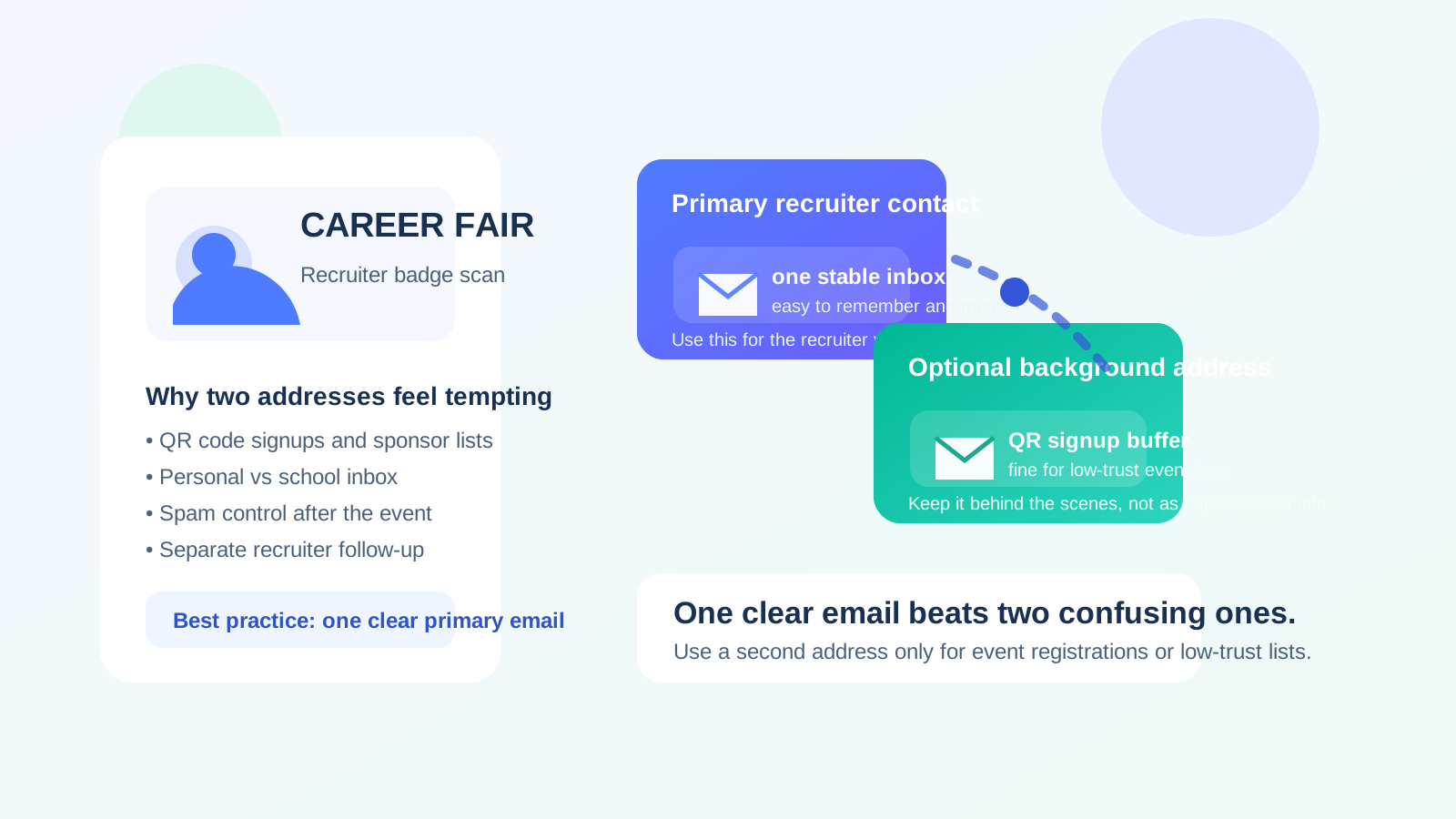
Why this question comes up at career fairs
Career fairs create a weird mix of high-value conversations and high-volume contact sharing. In one afternoon, you might talk to five recruiters, scan ten QR codes, join a talent network, enter an employer giveaway, and upload a résumé to an event portal you will never think about again. That makes people wonder whether giving two email addresses for career fairs might be the safest compromise: one inbox for real follow-up and another for spam-heavy event clutter.
The instinct makes sense. Career fairs are noisy. A lot of the follow-up is generic. And if you are a student or early-career applicant, you may already be juggling a personal address, a school address, and maybe a separate inbox for applications. But giving two addresses to the same recruiter or on the same contact card usually creates more friction than protection.
The short answer
If a recruiter, hiring manager, or employer representative wants your email at a career fair, give them one primary address that you check regularly and expect to keep active for the full hiring timeline. That is the address they should use for interview scheduling, application instructions, or follow-up questions.
If you want extra privacy, handle that in the background. Use one separate long-lived inbox, one alias, or one controlled forwarding setup. For low-trust event signups, sponsor downloads, or one-off list-building forms, a tool like Anonibox can help you keep the clutter away from your main inbox. The key is that other people still see one clear contact address.
Why two visible email addresses usually hurt more than they help
1. They create a tiny moment of confusion
Career-fair follow-up works best when it is simple. A recruiter gets back to their desk, looks at their notes, and sends one message. If your résumé, badge profile, or handwritten note shows two addresses, you have added a decision they did not ask for: which one should they use, are both monitored, and is one only temporary?
That may sound minor, but career-fair recruiting is full of tiny drop-off points. Anything that makes the contact step less obvious can quietly reduce follow-through.
2. It can look disorganized
Two public email addresses do not usually make you look more prepared. They often make you look uncertain about your own contact workflow. A recruiter may wonder whether one address is old, whether one belongs to school and one to personal use, or whether you will miss the message if they choose the wrong one.
3. It weakens the whole point of your privacy setup
If your goal is to control exposure, two visible addresses can work against you. You are not reducing the number of inboxes that receive outreach. You are increasing it. You may end up checking both for the same opportunity, which means more overhead, not less.
4. It can break thread continuity later
Career-fair conversations often turn into application links, screenings, or interview scheduling a few days later. If the employer starts with one address and you reply from another, or if a recruiter forwards the thread internally and someone switches addresses midstream, details can get messy fast.
When a second email address still makes sense
A second address can be useful. The trick is not to present it as a second equal contact address during the actual recruiter interaction.
Here are the situations where a second address can help:
- Event registrations: the fair platform, ticketing system, or organizer newsletter may not need your long-term primary inbox.
- Sponsor or vendor downloads: if you are grabbing whitepapers, promo materials, or nonessential booth collateral, a separate inbox or temporary address is often fine.
- Low-trust QR code forms: if you are not sure whether a booth lead form will generate useful follow-up or just mailing-list noise, a separate address can protect your main inbox.
- Search segmentation: some people like keeping career-fair messages in a dedicated inbox so they can process them separately from direct applications.
Notice the pattern: the second address is helpful for systems, lists, and mass signups. It is usually not helpful as parallel contact information for a recruiter you actually want to hear from.
Better setups than giving two addresses
Use one dedicated career-fair email
This is usually the best option. Create one stable inbox that is specifically for your job search or networking season. It should be professional, easy to spell, and something you can monitor for months. That gives you privacy and organization without confusing the other person.
Use one alias or forwarding layer
If you want filtering without exposing multiple inboxes, a single alias can be cleaner than two separate public addresses. You still hand out one contact point, but you keep better control over where the messages land and how you sort them.
Use temporary inboxes only for low-stakes forms
Disposable or temporary email works best when the follow-up does not matter much after the first verification or download. It is a poor fit for a recruiter who may contact you next week about an interview. For that reason, temporary inboxes belong at the edges of the fair experience, not at the center of recruiter communication.
What about students with a college email and a personal email?
This is one of the most common reasons people think about listing two addresses. Maybe your school email feels credible in the moment, but your personal inbox feels safer long term. Or maybe you are not sure how long you will keep access to the school account after graduation.
In that situation, do not list both unless an employer specifically asks for an alternate contact. Choose the one that is most reliable for the full hiring timeline.
- If your school account may expire soon, do not make it your main recruiter contact.
- If your personal inbox is messy, clean it up or create a dedicated search inbox before the fair.
- If you want the credibility of a structured email address, use one stable address and keep the second one private in case you ever need a backup.
The recruiter does not need your internal debate. They need one dependable answer.
Practical examples
You meet a recruiter at a booth and they ask how to reach you
Give one email. If the conversation was good and you want follow-up, keep it simple. The best message you can send is that you are reachable and organized.
You scan into an employer talent community that may send generic updates
A separate job-search inbox is reasonable. If the signup feels especially low-trust or obviously promotional, a more disposable workflow may be fine as long as you do not expect important follow-up through it.
You upload a résumé to the fair platform and also hand out a business-card-style contact sheet
Use the same primary recruiter-facing address in both places whenever possible. Consistency matters. If the platform account uses one email and your handout uses another, you increase the chance of mismatched records later.
You want one address for recruiters and another for event spam
That goal is valid. Just do not solve it by showing both to the recruiter. Solve it by deciding which workflows deserve your primary address and which ones only deserve the separate one.
A simple decision rule
Before you type or write your email at a career fair, ask one question: Do I want this exact person or system to have a direct line to my real follow-up inbox?
- If the answer is yes, give one stable primary email.
- If the answer is not really, use your separate event inbox or a low-stakes address instead.
- If the answer is I am not sure this is even worth a response, that is where a more disposable option can help.
That rule keeps your setup understandable. You are not trying to make every contact path equally important. You are ranking them.
Career-fair checklist
- Pick one professional email address as your main recruiter-facing contact.
- Make sure you can access it easily on your phone after the event.
- Use the same address on your résumé, fair profile, and handwritten notes when possible.
- Keep a separate inbox or alias for lower-value signups if you want better spam control.
- Use temporary inbox tools only when long-term follow-up is unlikely or unnecessary.
- Do not hand out two equal public addresses unless someone explicitly asks for a backup.
Final answer
Most of the time, you should not use two email addresses for career fairs. One clear, monitored, recruiter-friendly address is better for follow-up, easier for employers to use, and less likely to create confusion.
If privacy is your concern, the fix is not giving two visible contact emails. The fix is choosing one solid primary address and using a second address quietly where it actually helps: registrations, sponsor forms, low-trust lists, and other places where spam is more likely than a meaningful recruiting conversation.
That way, you protect your inbox without making yourself harder to reach when a real opportunity shows up.