Yes, you can use two email addresses for salary negotiations, but only if one address is clearly primary and both inboxes are stable enough for time-sensitive replies.
For most people, one reliable inbox is cleaner. A second address only helps when it reduces clutter, protects privacy, or separates admin tasks without making the negotiation confusing.
That distinction matters because salary negotiations are not like early-stage job board signups. At this stage, the stakes are higher. You may be discussing compensation ranges, formal offer letters, benefits summaries, relocation details, deadlines, background-check instructions, or revised terms after a counteroffer. Missing one message can slow everything down or create the impression that you are disorganized. So the question is not simply whether two email addresses are allowed. The real question is whether using two addresses helps you stay reachable and in control.
Short answer: one primary inbox is best, a second inbox is optional
If you are negotiating directly with a hiring manager or recruiter, the safest setup is usually one consistent primary email address that you check often and reply from every time. That keeps the thread clean and reduces the chance of mixed messages.
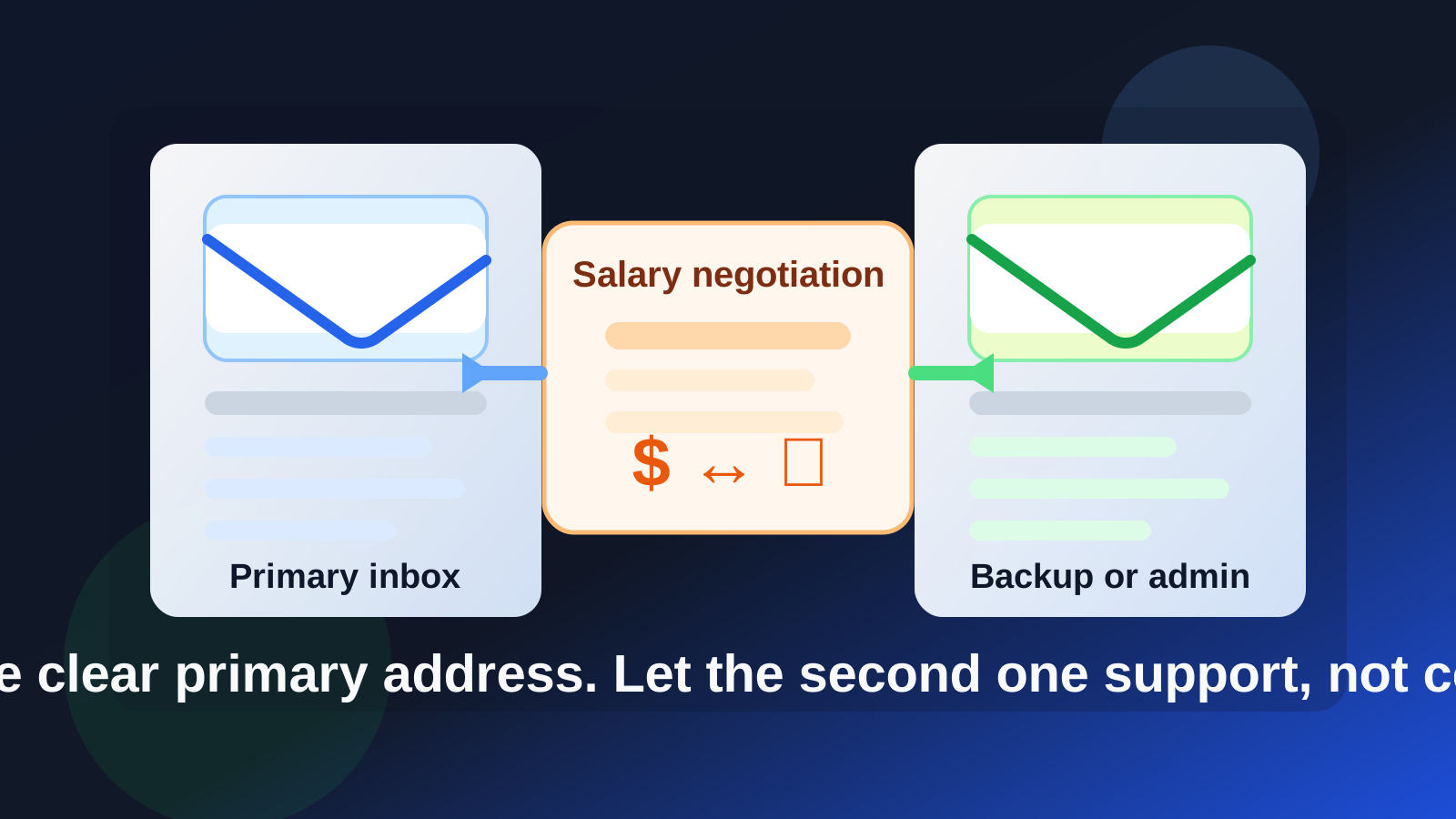
A second email address can still be useful, but usually in a supporting role. For example, you might use one inbox for the active negotiation thread and a second address for recruiter intake, document copies, forwarding, or private separation from your everyday personal inbox. The mistake is treating both addresses as equal points of contact without a clear system.
Why people consider using two email addresses during salary negotiations
Once an employer moves toward an offer, communication often speeds up. You may have the recruiter emailing one chain, HR sending benefits paperwork from another system, and an e-signature platform sending links from a third domain. On top of that, you may still be talking with other employers and recruiters at the same time. That makes some job seekers wonder whether a second email address could keep the process tidier.
Usually, they are trying to solve one of these problems:
- Privacy: they do not want salary or offer-stage messages mixed into a long-term personal inbox.
- Organization: they want one inbox for active negotiations and another for general recruiting traffic.
- Confidentiality while employed: they want a clear separation from any work-connected account.
- Backup access: they want a second address to catch copies of key documents or confirmations.
- Spam control: they want to limit how widely one permanent inbox gets distributed.
Those are reasonable goals. But they only pay off if the setup stays simple for the other side.
When using two email addresses can actually help
1. You keep one address as the clear negotiation address
The best use of two addresses is not to alternate between them. It is to choose one as the official negotiation inbox and let the other play a quieter supporting role. For example, you might forward recruiter outreach from a secondary address into the main one, or use filters so all compensation-related messages land in one place. That gives you more control without asking the employer to guess where to reach you.
2. You want to separate early-stage exposure from final-stage conversations
A lot of people use a separate inbox for applications, job boards, or broad recruiter outreach because those channels can generate clutter for months. By the time you reach salary discussions, though, you usually want to move the real negotiation into a more stable inbox. If you have used Anonibox or another privacy-first approach earlier in the search, this is often the stage where you tighten things up and make sure the actual offer thread lives somewhere dependable.
3. A recruiter and HR system are sending different kinds of messages
Sometimes a recruiter is negotiating numbers while an HR or onboarding platform sends attachments, forms, and deadlines. In that case, having a backup or archive inbox can help you save copies of important documents without cluttering your day-to-day mailbox. The key is that the employer still sees one main address for replies.
4. You want a private layer without using a throwaway address
There is a meaningful difference between a second stable address and a disposable one. A second stable address that you control well can help protect privacy. A throwaway inbox that expires, is rarely checked, or looks suspicious can create unnecessary risk. For salary negotiations, stability matters more than novelty.
When two email addresses become a bad idea
1. You reply from whichever inbox happens to be open
This is the most common failure mode. One message goes from your main inbox, the next comes from the backup address, and suddenly the recruiter has two threads, two signatures, and two contact records. That makes the process look messy, even when your intentions were good.
2. You expect the employer to track both equally
If you tell someone, “You can reach me at either address,” you are creating work for them during a time-sensitive process. Most recruiters and HR teams will simply pick one thread and stay there. If the other address matters for your internal organization, keep that part internal.
3. One of the addresses is temporary, weakly secured, or rarely checked
Salary negotiations can involve sensitive documents and tight deadlines. This is not the moment to rely on an inbox you might lose access to, forget to monitor, or leave without two-factor protection. A second address should be as reliable as your primary one if it touches the process at all.
4. You are using a current work email anywhere in the chain
This one is easy: avoid it. Even if it feels convenient, a current employer’s email account is the wrong place for salary negotiations with another company. It raises privacy concerns, can create retention and visibility risks, and may look unprofessional.
A practical setup that works
If you want the benefits of two addresses without the chaos, use this structure:
- Primary inbox: the address you give the recruiter or employer for actual negotiation replies.
- Support inbox: a secondary address used for forwarding, backups, intake, or internal sorting.
Then follow three rules:
- Always reply from the primary inbox.
- Do not ask the employer to manage both addresses.
- Make sure both accounts are secure and monitored.
That way, you get privacy and organization benefits without making the negotiation harder for the people on the other side.
Examples of when it makes sense
Direct employer, simple negotiation
If you are negotiating with one recruiter and one hiring manager, you probably do not need two addresses at all. One polished, stable inbox is enough.
Recruiter plus separate HR paperwork systems
If a recruiter is handling compensation discussions while an HR platform is sending benefits packets, policy PDFs, and e-sign forms, a second address can help as an archive or forwarding address. Just keep replies centered in the main thread.
Confidential job search while you are still employed
If privacy is the main concern, using a dedicated personal negotiation inbox can be wise. In that case, your “second address” might actually be the inbox you used for broader job search activity, while the cleaner, more permanent address becomes the official channel for the offer discussion.
What is better than two visible email addresses?
In many cases, filters, labels, forwarding rules, and a dedicated folder system will solve the problem better than exposing two different addresses to the employer. You can keep one public-facing email and still organize everything behind the scenes.
That matters because the employer does not care how elegantly your inbox is organized. They care that you answer quickly, keep the thread clear, and do not lose the paperwork. Behind-the-scenes organization is often the smarter move.
Privacy and security checklist
- Use an address you expect to keep for months, not days.
- Enable strong passwords and two-factor authentication.
- Check spam and promotions folders while negotiations are active.
- Whitelist the recruiter, company domain, and e-signature provider if needed.
- Keep your signature consistent so the thread feels professional.
- Do not mix in a work-issued account from your current employer.
- Save important attachments locally in case links expire later.
So, should you use two email addresses for salary negotiations?
Sometimes, yes. But only when the second address supports the process instead of complicating it. One clear primary inbox is still the best default, especially for actual counteroffers, written terms, and deadline-sensitive messages.
If you do use two addresses, make one of them clearly primary, keep your replies consistent, and use the second one quietly for privacy, sorting, or backup. That gives you the upside of better control without the downside of mixed threads and missed messages.
In other words, use two email addresses only when you have a real workflow reason. If you are doing it just because it feels safer in theory, you are usually better off improving one reliable inbox and managing the rest with filters, folders, and good habits.